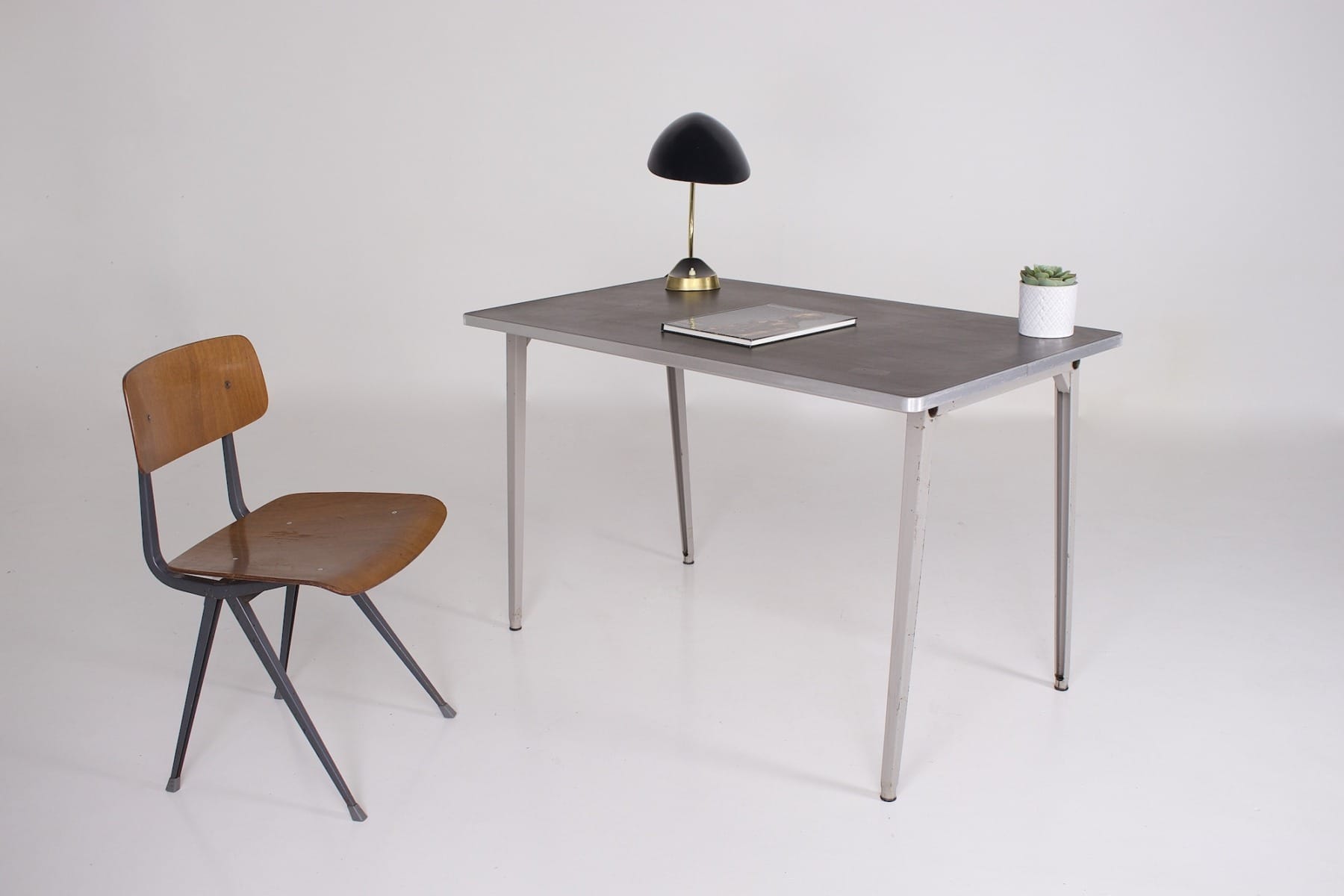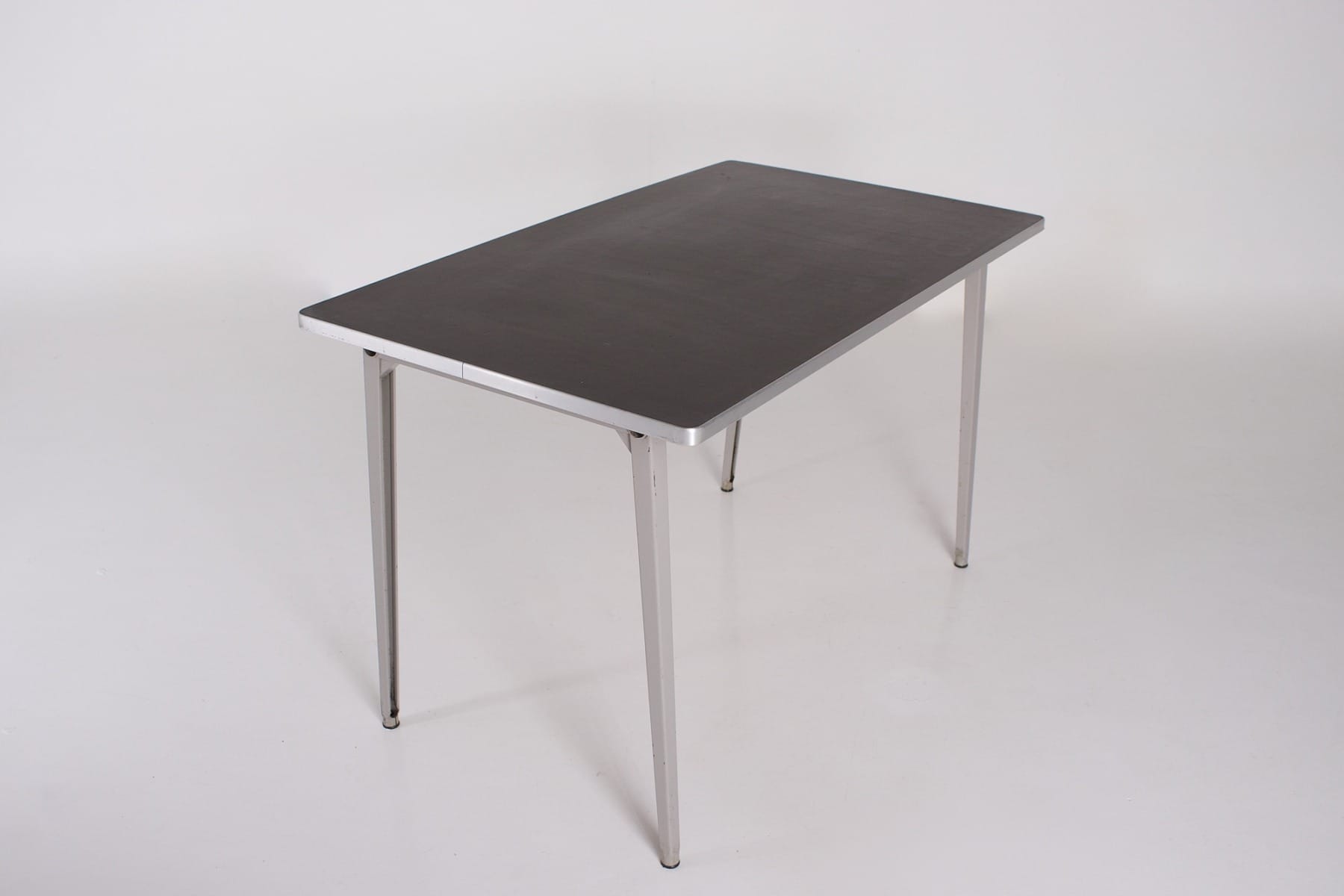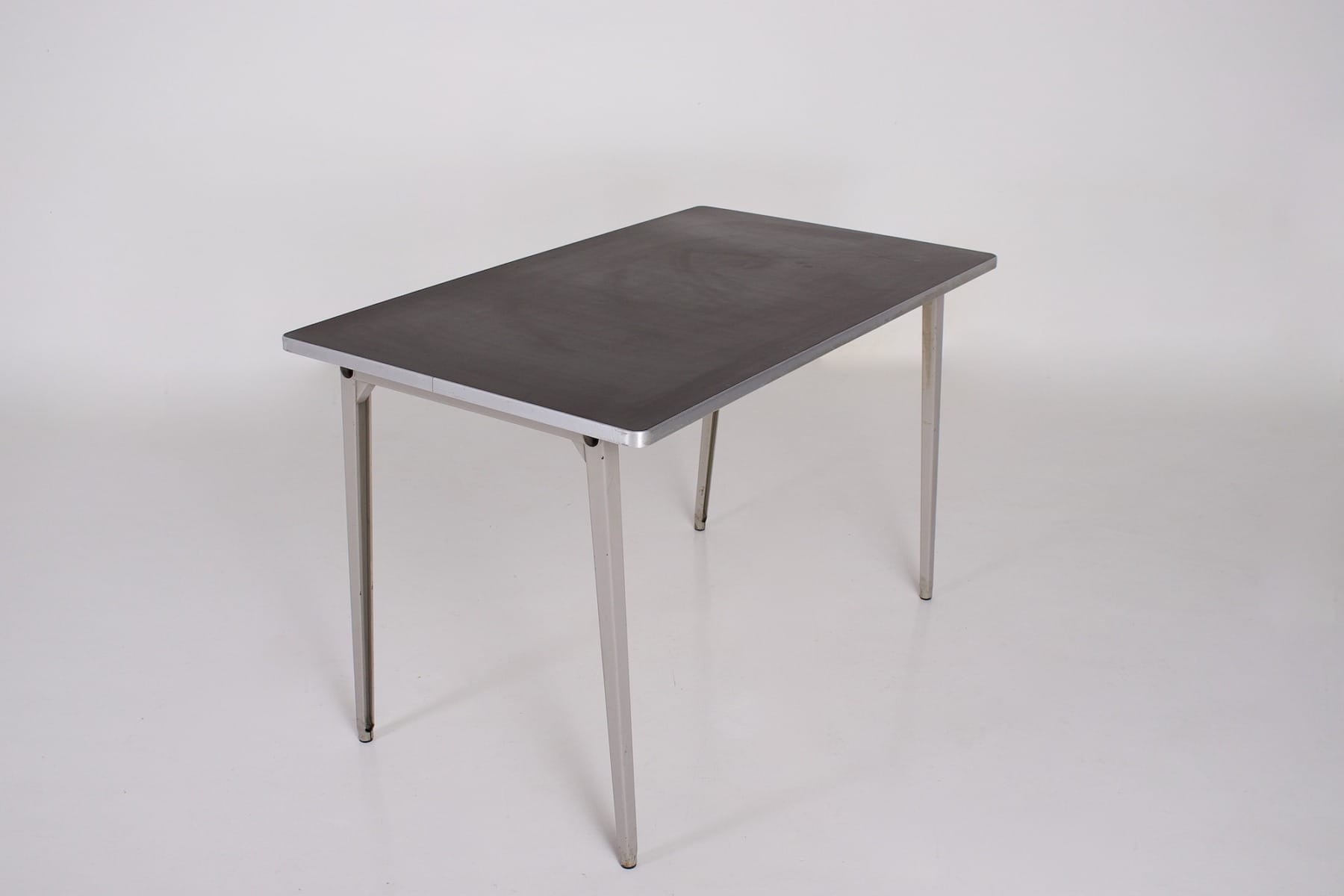
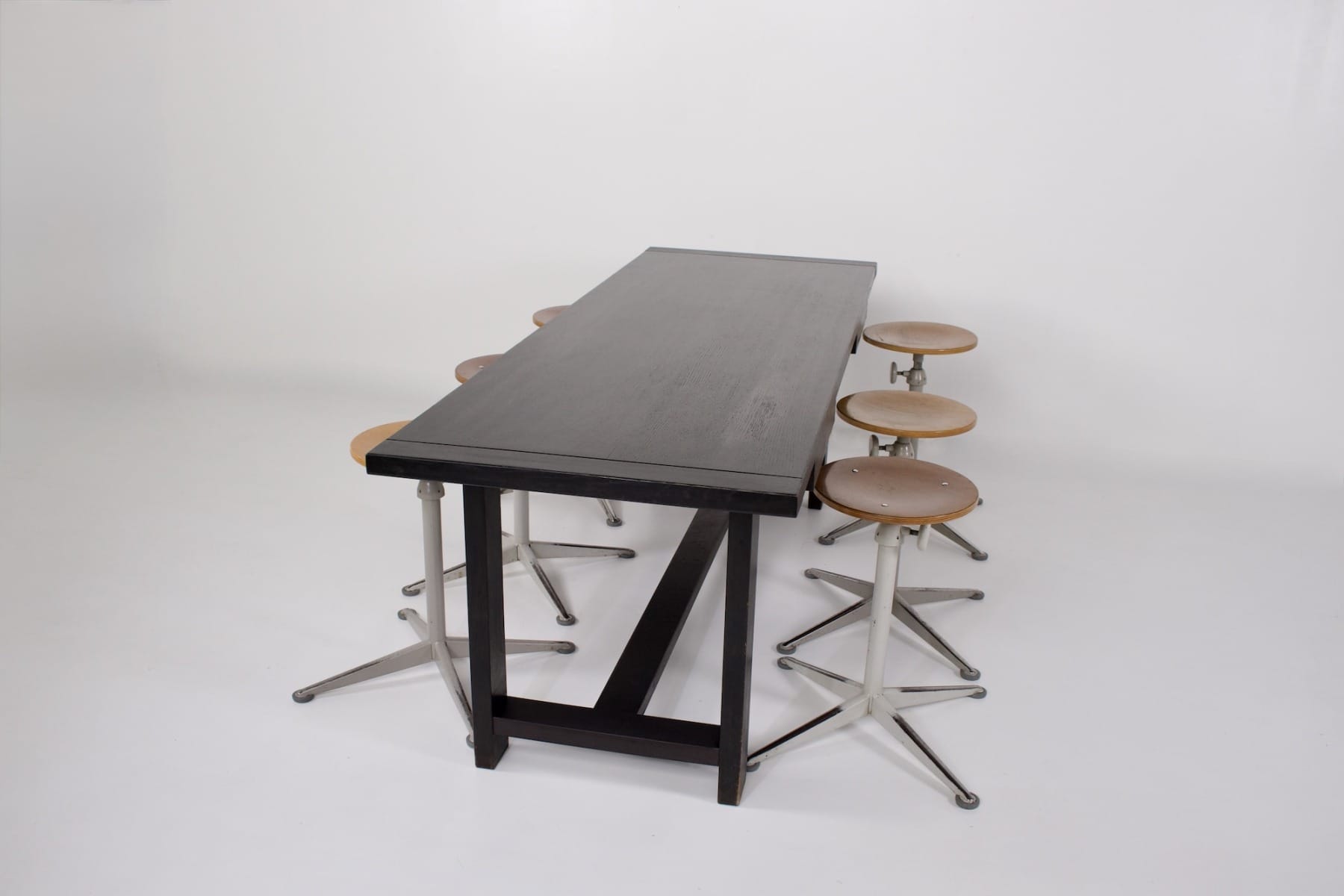
Reform Table – Friso Kramer
€680,00





€320,00
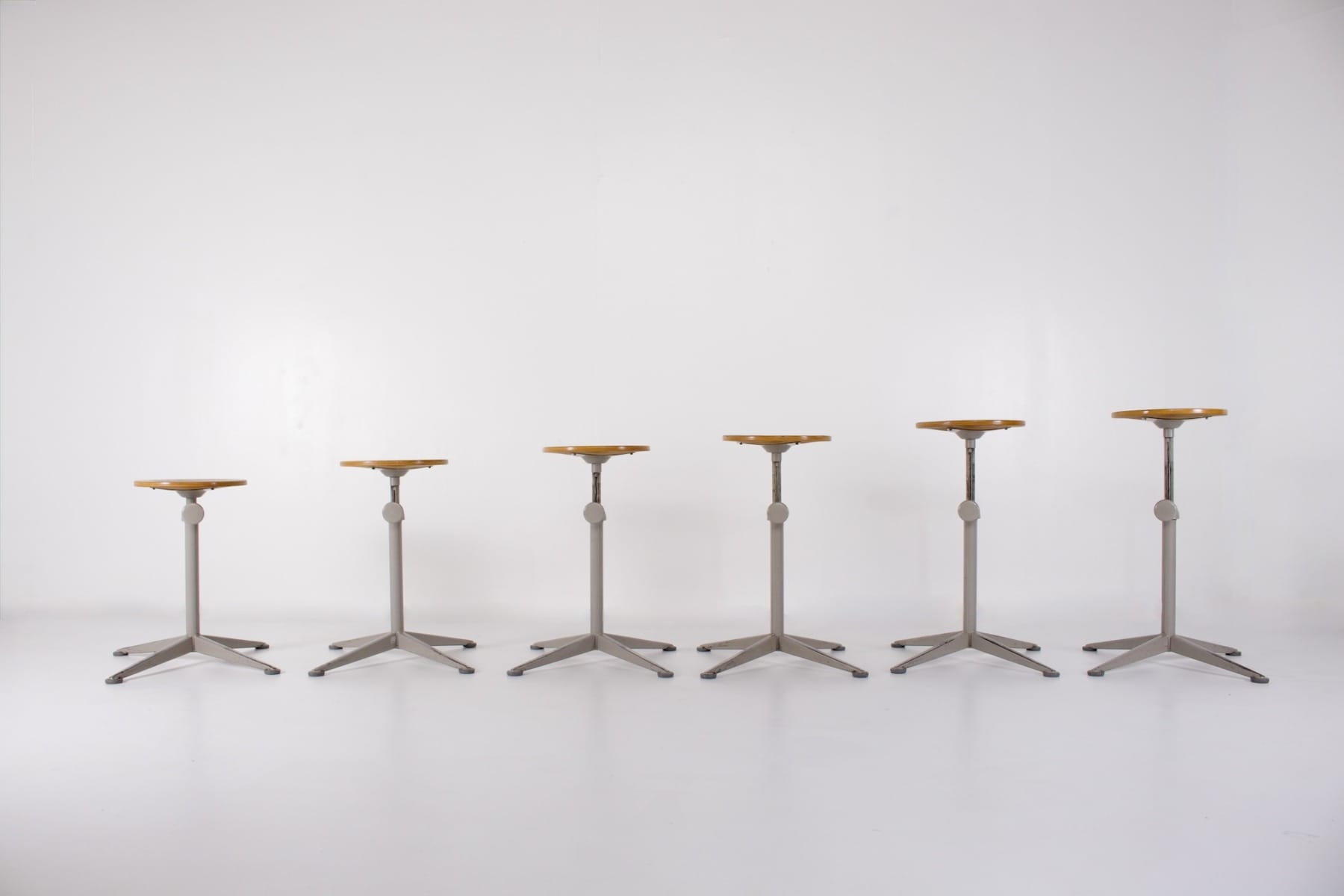
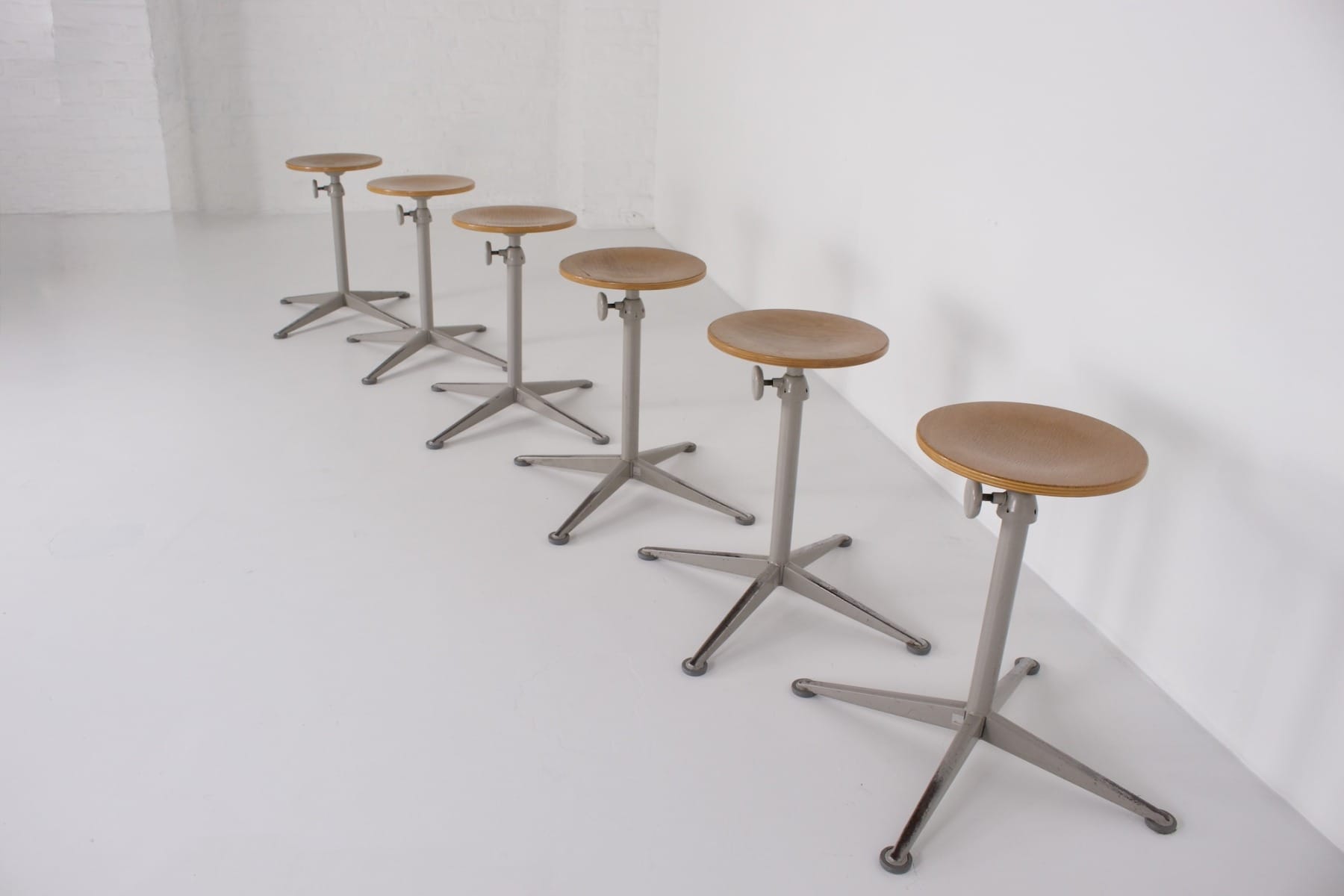
Architect’s or drafting stool, by Friso Kramer for Ahrend De Cirkel Edition from the 1960s and 1970s.
With its swivel seat and height-adjustable mechanism, this stool adapts to different uses: around a central kitchen island, in front of a work surface, or around a high table. Its four-branch base ensures excellent stability, while the absence of a backrest facilitates movement. The availability of this model in several examples allows it to meet both individual purchase and the furnishing of offices, workshops, collective spaces or professional projects requiring a homogeneous series
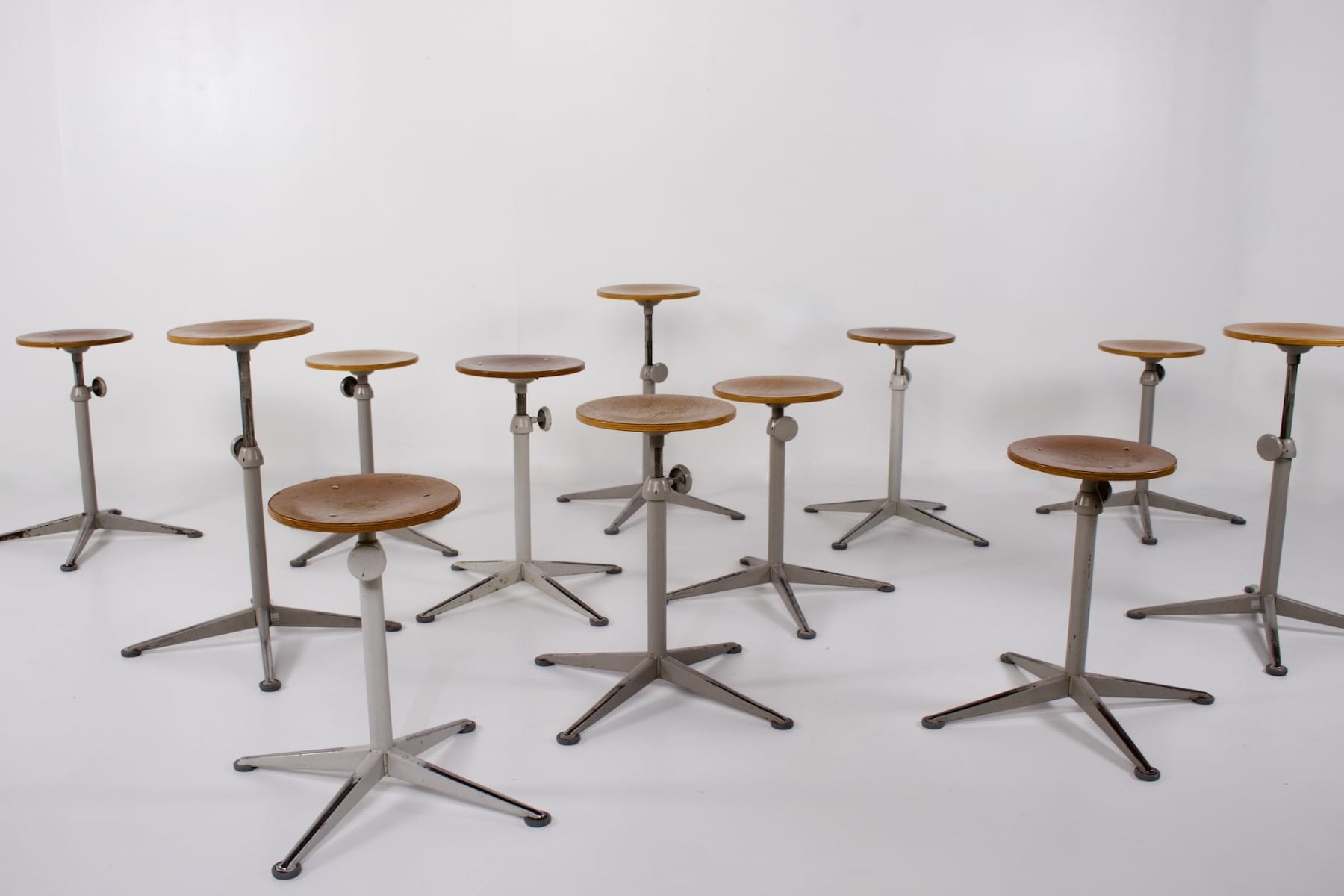
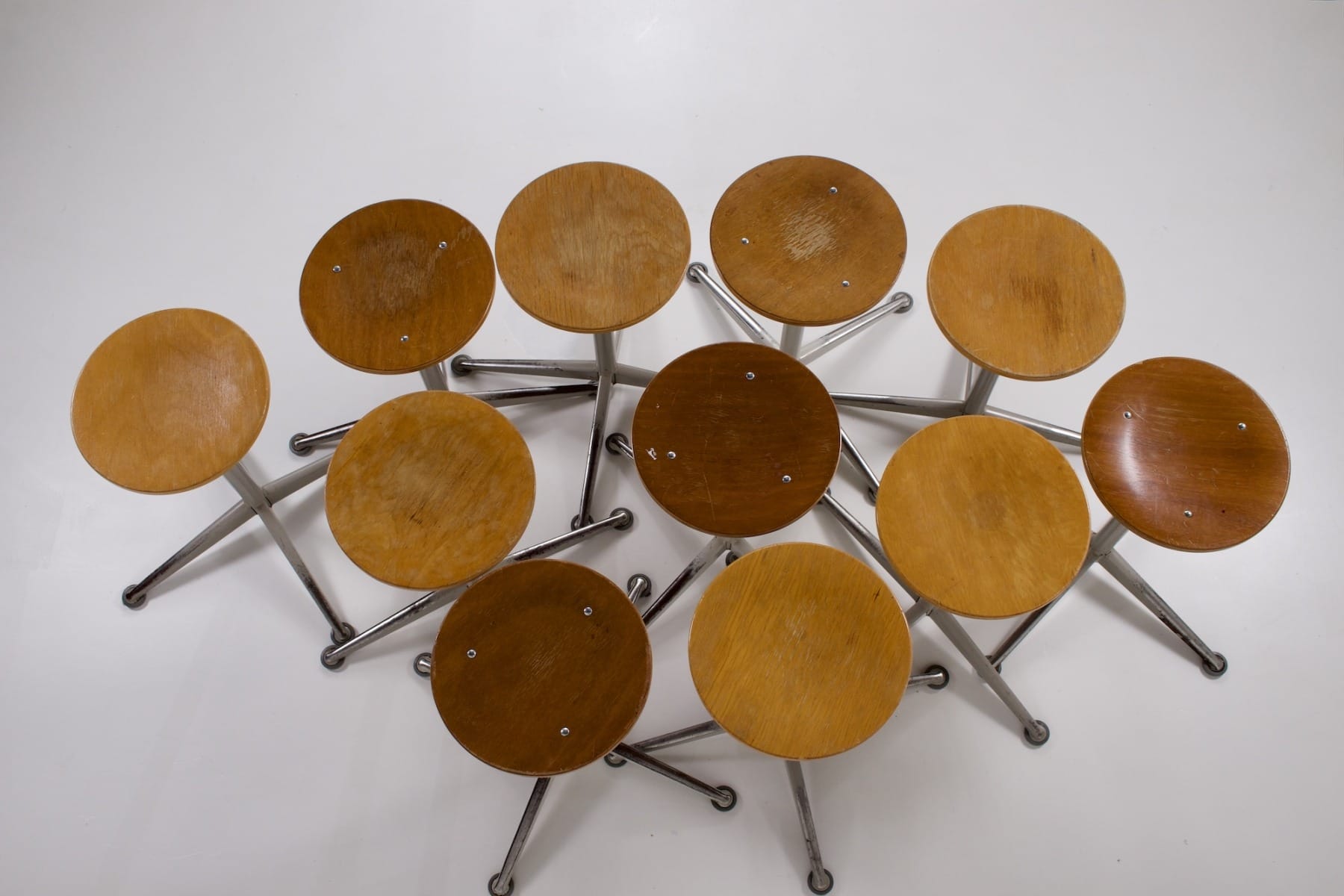
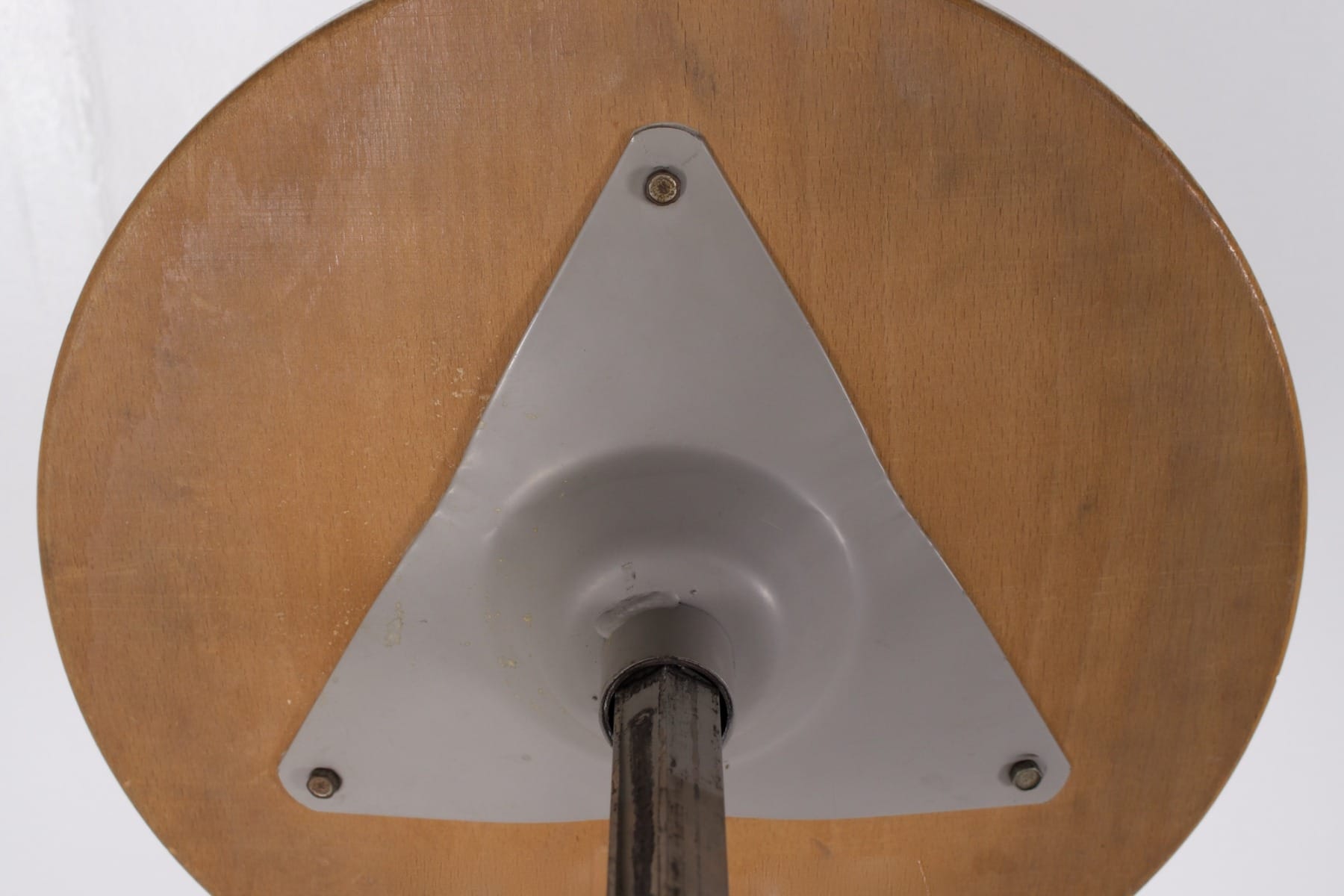
After 60 years of use, the stools are all equal in terms of wear marks; they have no malfunctions. The wooden seat sometimes has three bolt heads, sometimes not.
Two shades of gray (If one can say…): One light and the other very slightly darker.
50 available in store

Designed by Friso Kramer for Ahrend De Cirkel, this architect’s stool belongs to post-war Dutch professional furniture. Produced in the 1960s, it met the needs of draughtsmen, architects and technicians working at a drafting table or elevated workstation. Its robust and modular construction also suited workshops and laboratories.
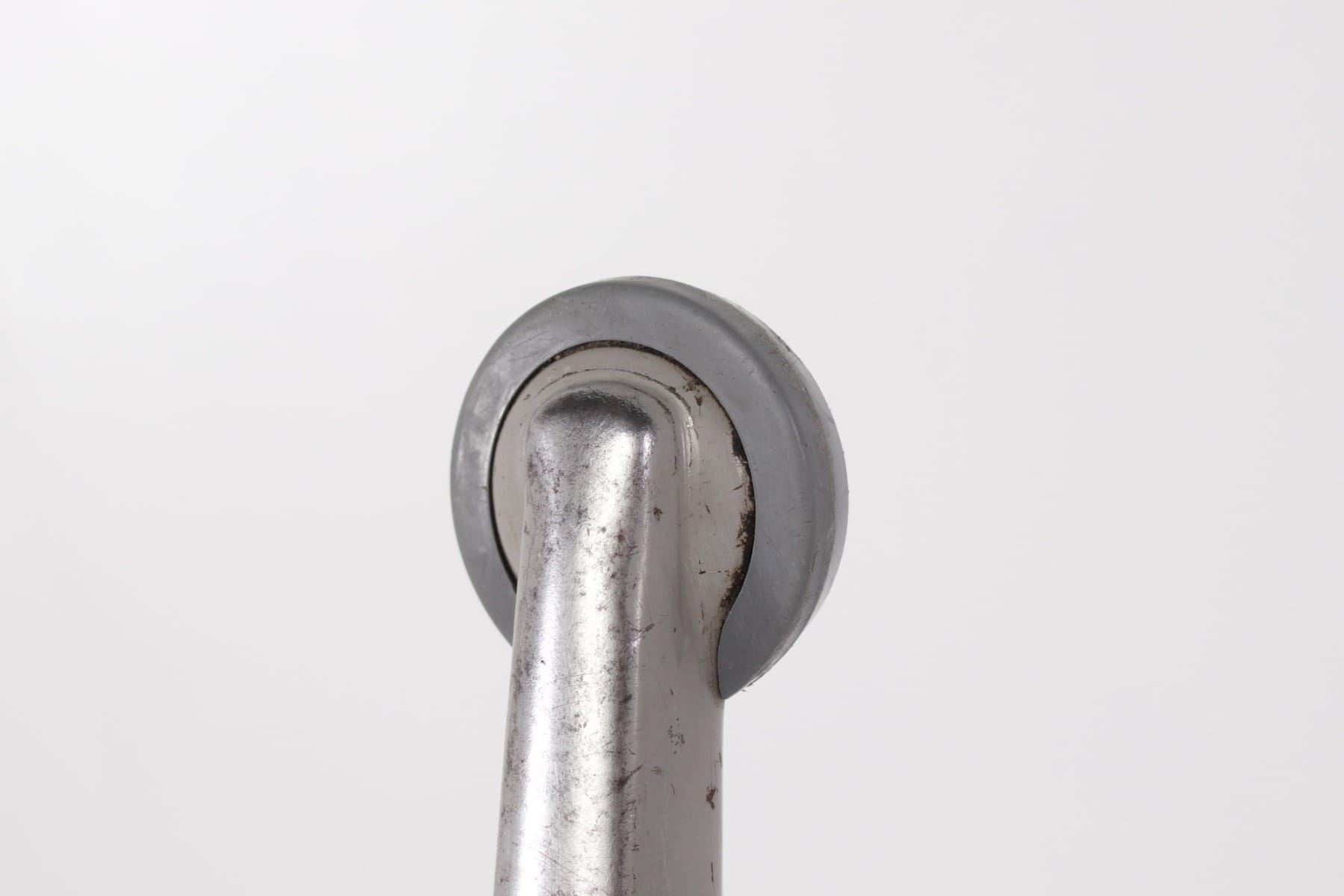
Its four-branch steel star base ensures great stability. Each branch ends in a metal foot wrapped in rigid plastic, limiting direct contact with the floor and shocks during handling.
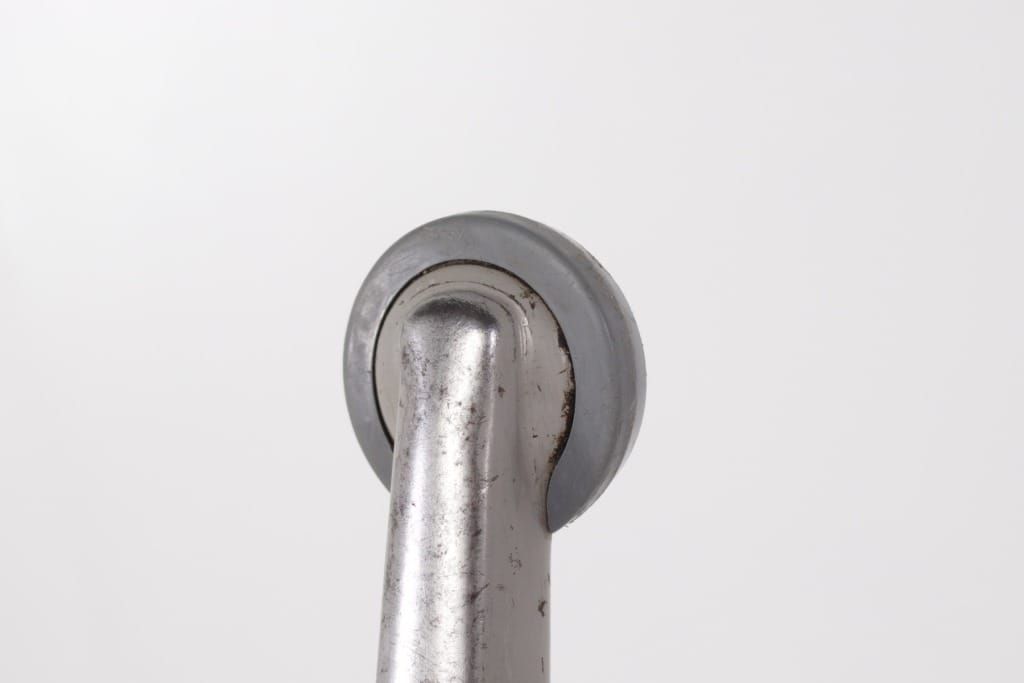
One of the stool’s feet, wrapped in a shock-absorbing surround.
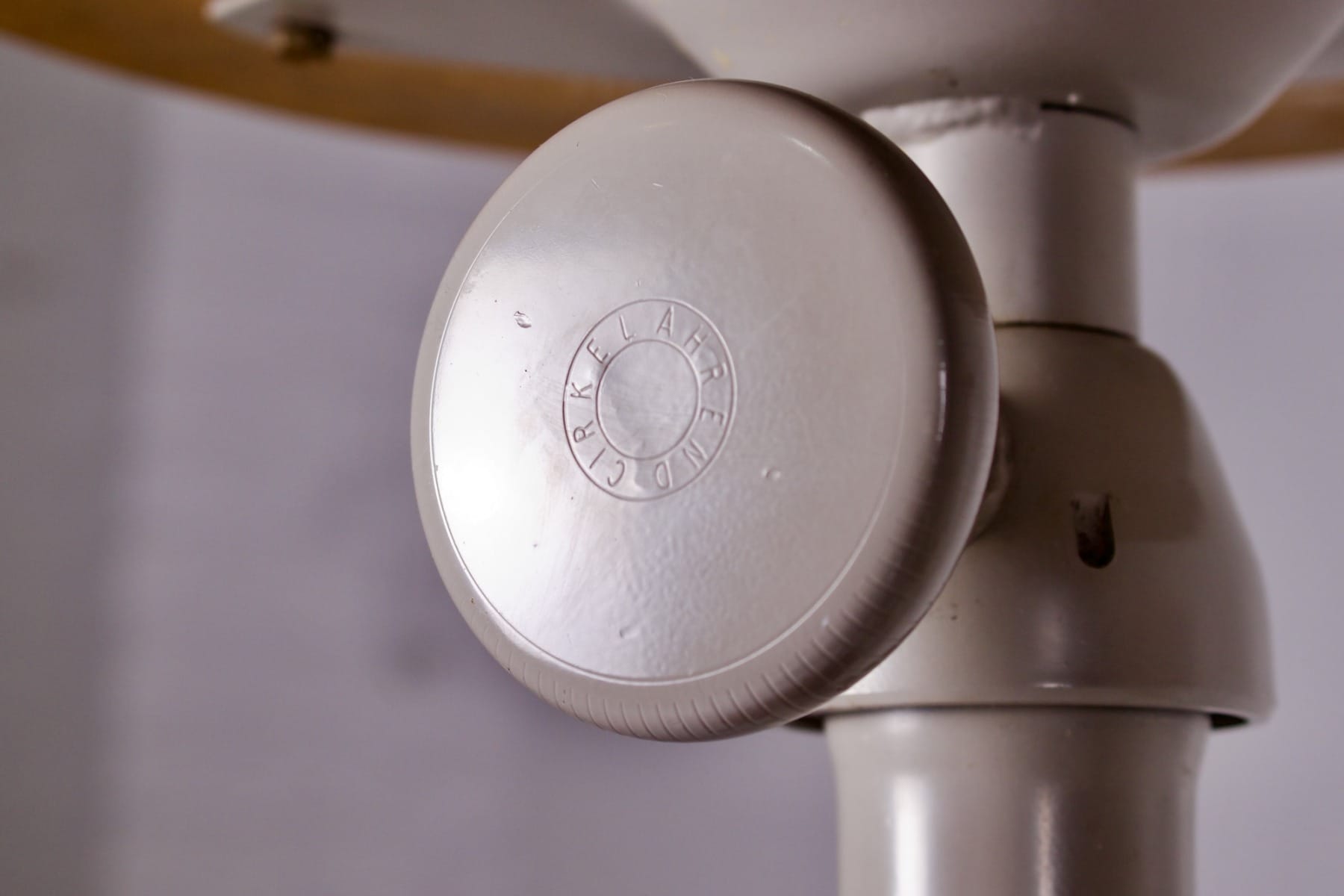
The central shaft is fitted with a clamping knob whose shape has been carefully studied. It is naturally grasped in the palm of the hand, as well as with the fingertips, and allows the seat to be locked at the desired height. The clamping screw bears the mark “Ahrend De Cirkel,” inscribed in relief.

The clamping handles of the stools are marked Ahrend De Cirkel
These details give full meaning to the design of this industrial stool: a stable base, a simple adjustment mechanism and components suited to daily use. Its stripped-down silhouette follows directly from these practical requirements.
The hexagonal shaft features a tapered longitudinal groove that participates in the height-locking system and reinforces its hold under load. A simple and ingenious mechanical solution whose effectiveness is still proven today, more than 60 years after its manufacture.
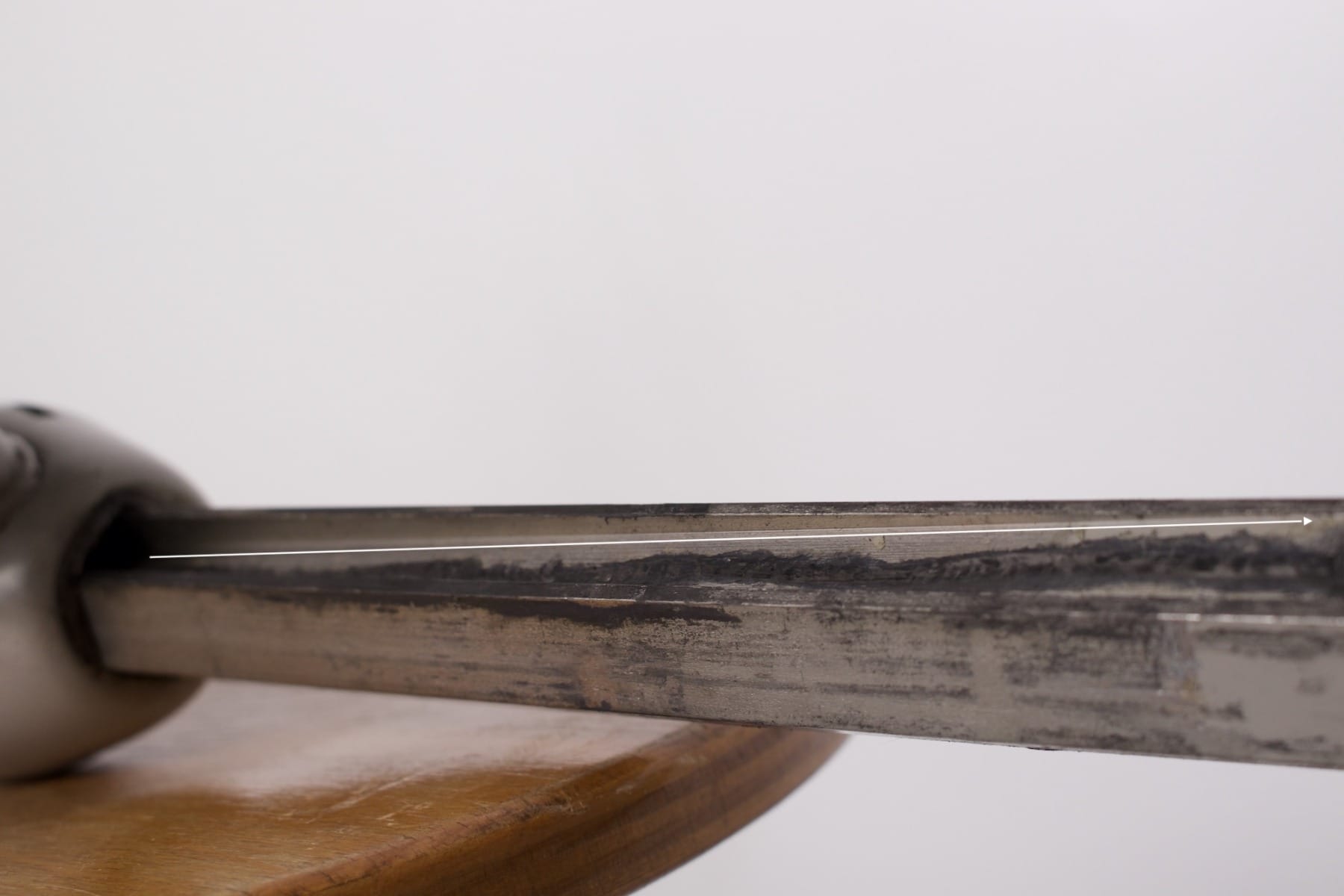
The hexagonal-section shaft remains perfectly guided without rotating on itself, while the seat remains swivel. Its tapered groove participates in the locking and prevents a sudden drop under load.
Friso Kramer joined De Cirkel in 1948. There he developed furniture intended for mass production, in which economy of materials, structural strength and ergonomics guided the design. This approach notably characterizes the Revolt chair of 1953, the Reform table of 1955 and the Result chair, designed with Wim Rietveld in 1958.

Friso Kramer – Ahrend De Cirkel stools, steel legs and plywood seat with adjustable and swivel height.
The draughtsman’s stools extend this research to the scale of the workstation. Their adjustable seat allows adaptation to different heights, while certain versions receive a footrest or adjustable backrest. The model presented here favors freedom of movement and ease of adjustment.
The history of De Cirkel begins before the creation of the company. In 1932, Jan Schröfer founded with Willem Schröfer, Henk Kunst and Sjoerd Schwitters the collective Belangengroep Vier, or BG4. Their activities touched notably on construction, advertising, photography and cinema. Jan Schröfer also developed steel furniture there, informed by modern research on materials and manufacturing.
After the dissolution of BG4 in 1934, Schröfer continued this activity under the name De Cirkel. The company specialized in the design and manufacture of metal furniture. It drew closer to Ahrend, a company founded in Amsterdam in 1896 by Jacobus Ahrend, initially active in drawing instruments and office supplies.
In 1941, Ahrend became the majority shareholder of De Cirkel. This rapprochement allowed it to develop its own furniture production. In 1967, Ahrend, De Cirkel and the manufacturer ODA were brought together within the Ahrend group, while still retaining their respective names for a certain time.
This stool testifies to this shared history between creation and industrial manufacturing. Its construction without artifice and its accessible adjustment mechanism illustrate the principles of modernist furniture, where form responds first to use.