



1970s design furniture and vintage lamps
Discover our selection of vintage furniture and design lighting from the 1970s, a decade marked by bold forms and a great diversity of materials. Sideboards, dining tables, coffee tables, armchairs, desks, and modular seating sit alongside vintage lamps, wall lights, pendants, and fixtures. Chrome, stainless steel, brass, smoked glass, and molded plastic characterize 1970s design, blending Italian, Scandinavian, and French influences.


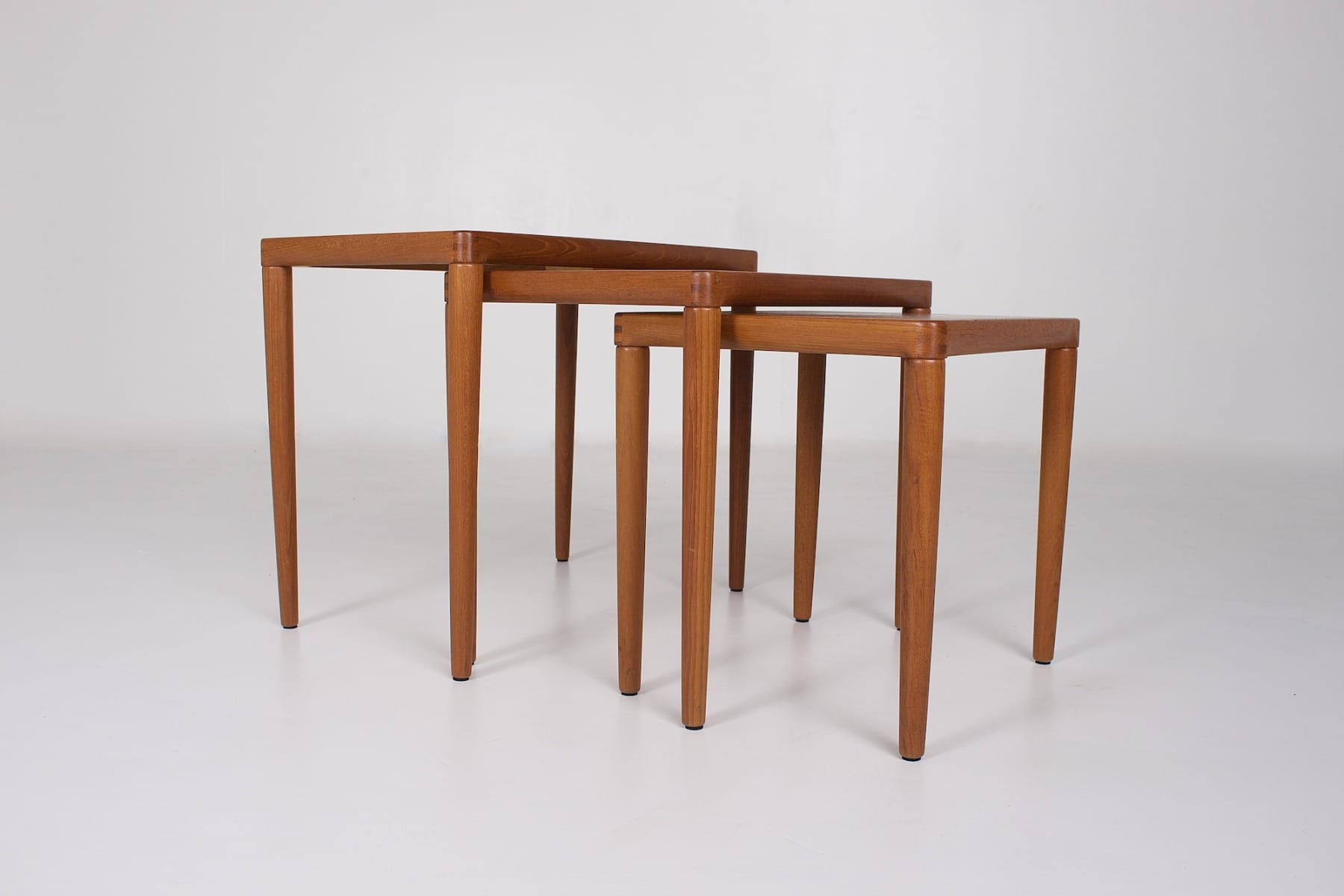


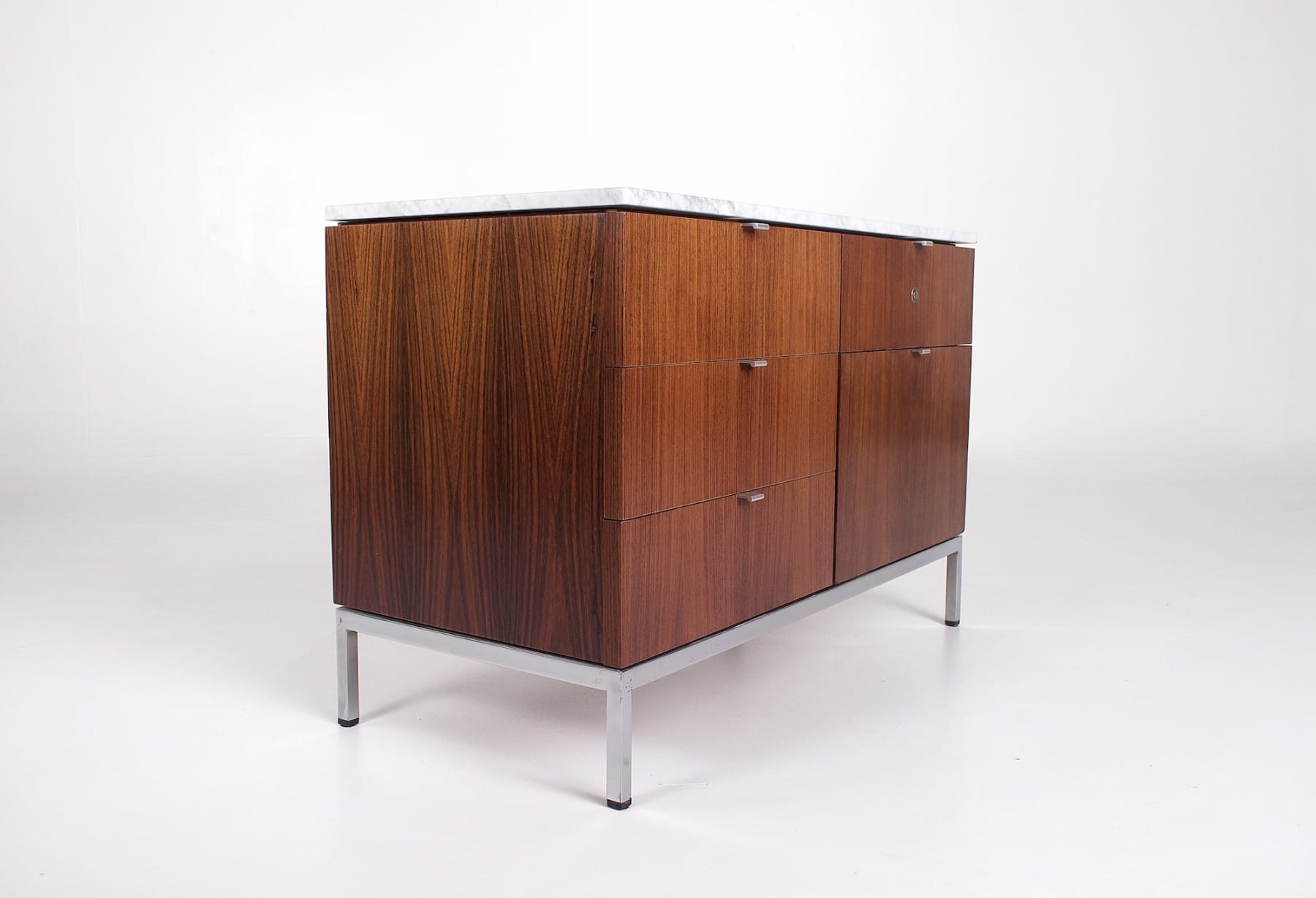
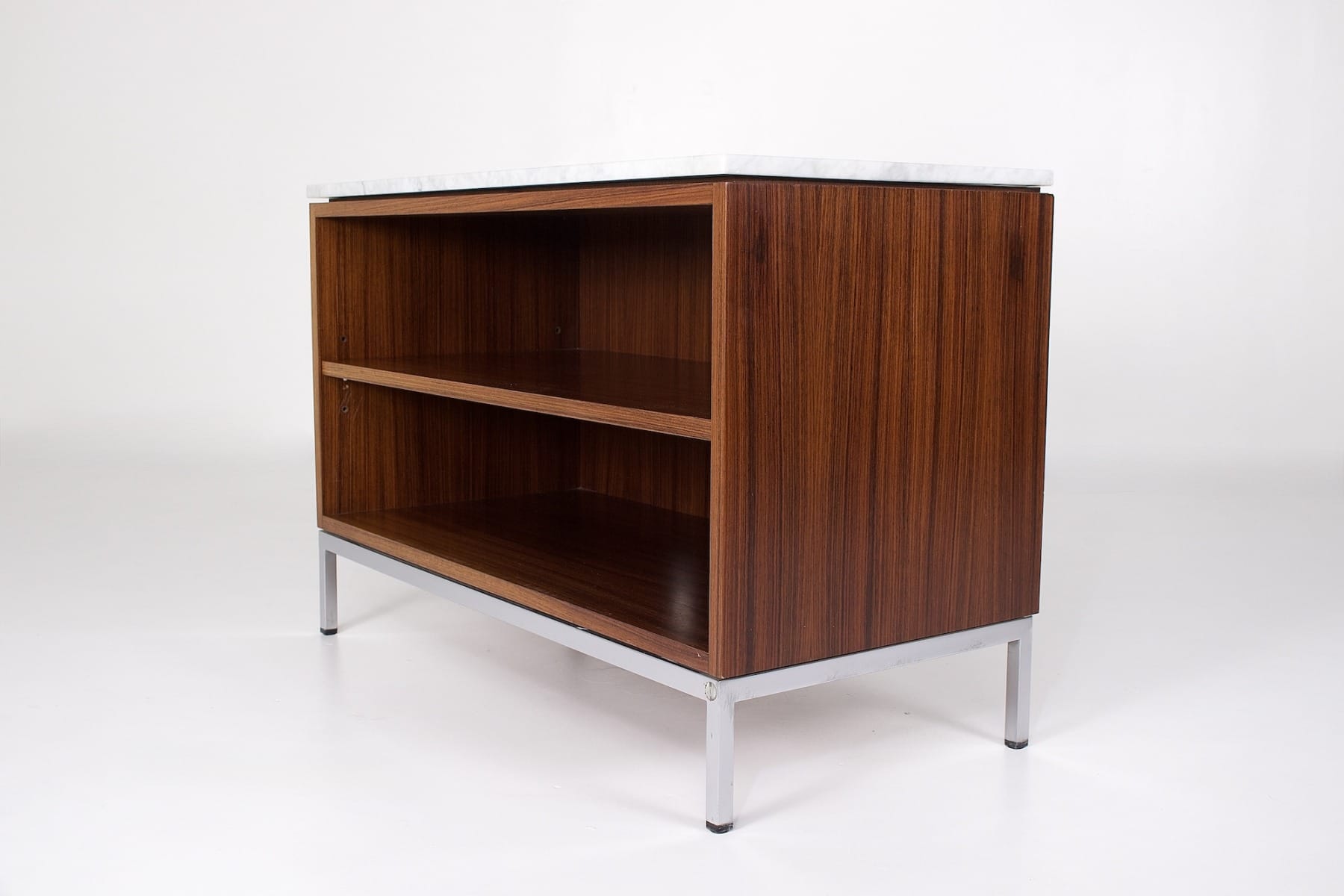
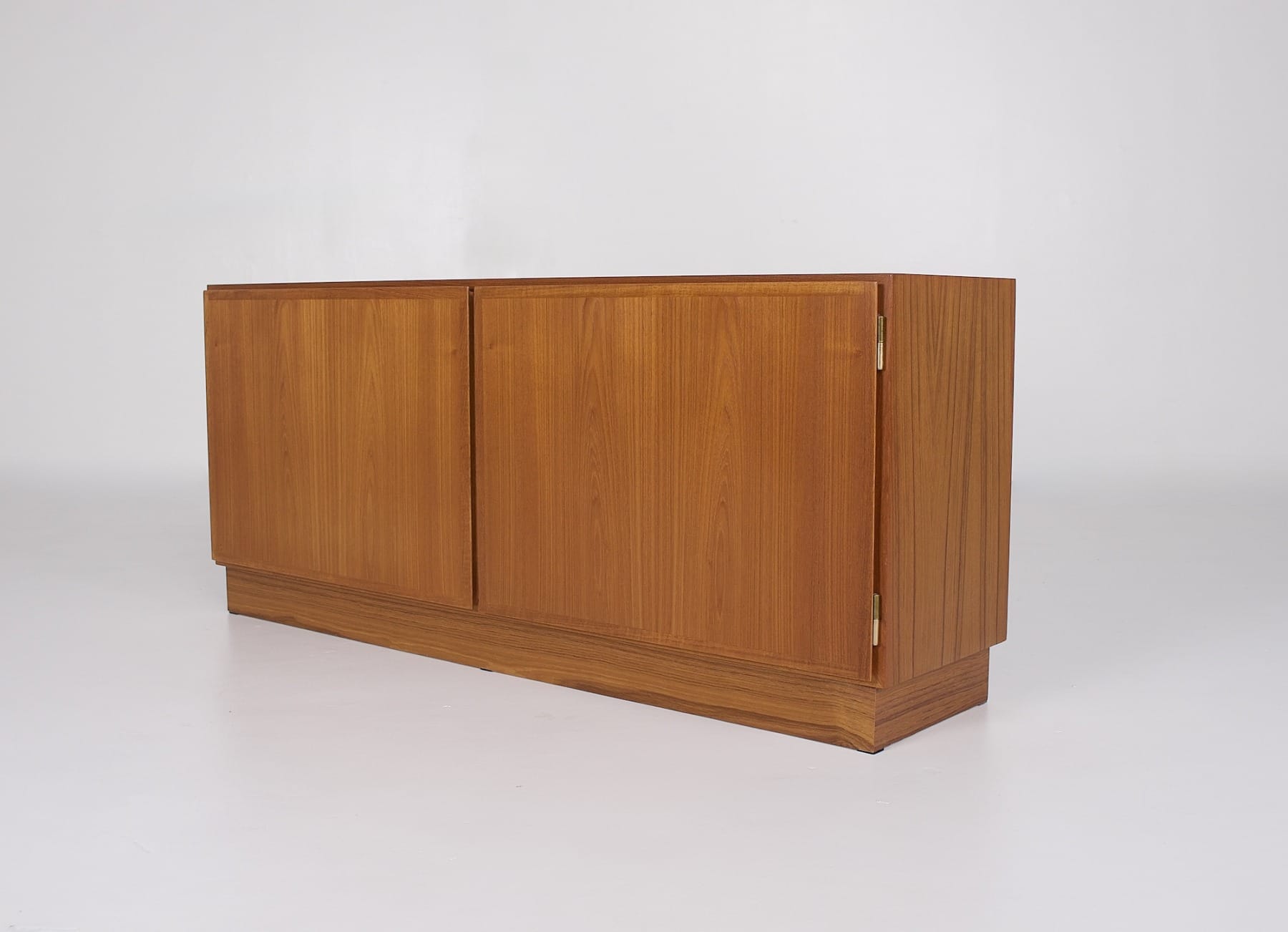
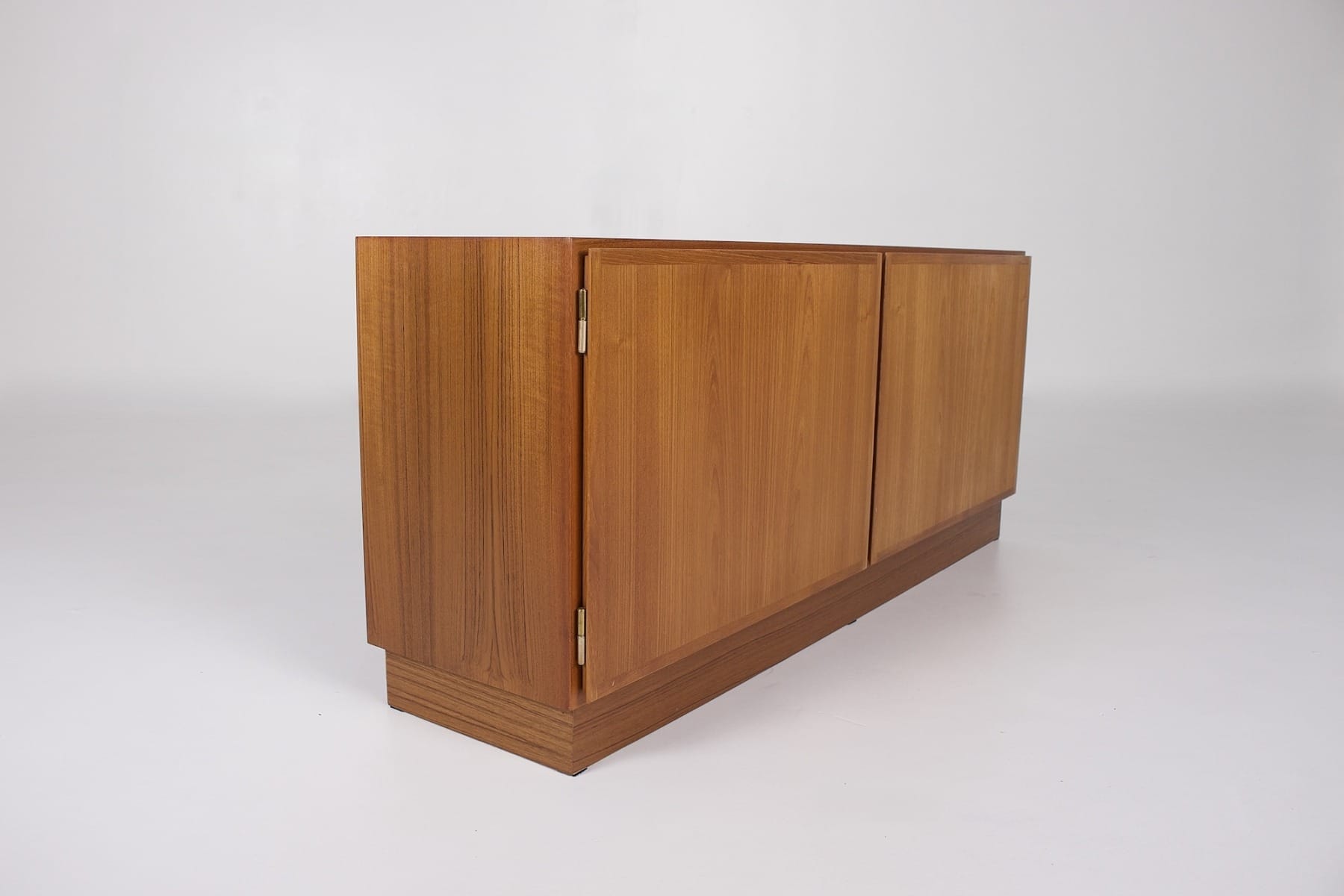
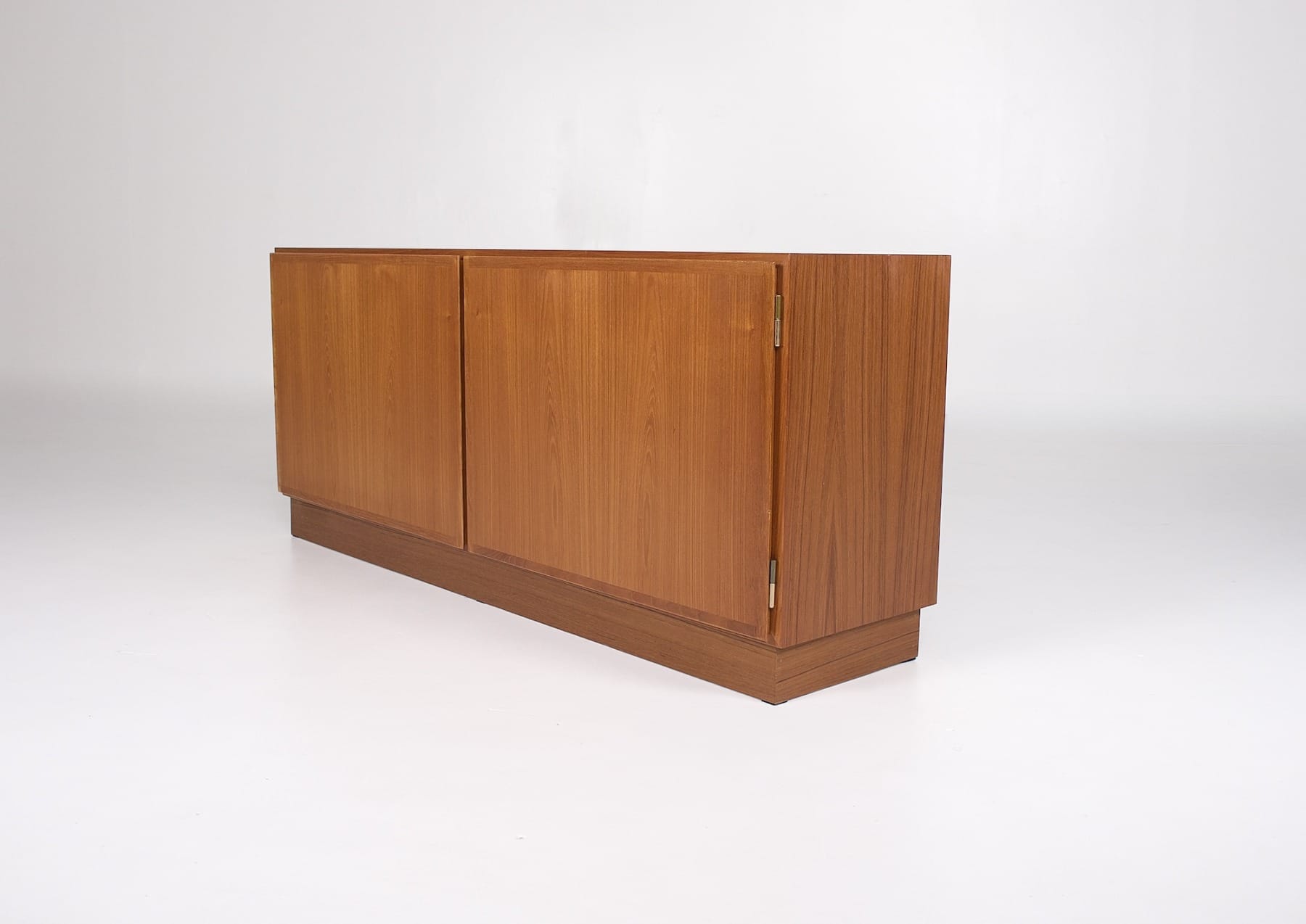

Selection of vintage 1970s furniture and designer lighting: sideboards and buffets, dining tables and coffee tables, armchairs, desks, modular seating and furniture made from chrome, stainless steel, smoked glass, brushed steel or moulded plastic reflect a design aesthetic characterised by increasingly sculptural and expressive forms.
The 1970s saw the emergence of a new approach to design and architecture, marked by a departure from strict modernism. Interiors became more eclectic, combining Italian, Scandinavian and French influences, while industrial materials played an increasingly important role in furniture and lighting design. Techno-architecture, also known as high-tech architecture, championed by architects such as Richard Rogers and Norman Foster, accompanied this evolution, as modularity, technological innovations and new materials redefined living spaces.
The development of new manufacturing techniques encouraged the use of structures made from chrome-plated metal, stainless steel, polished brass and Plexiglas. Verner Panton experimented with steel-wire seating, notably with the Pantonova model, while Willy Rizzo developed sophisticated furniture combining black laminate, chrome-plated metal, polished brass and smoked glass, particularly representative of the glamorous design of the 1970s. In Belgium, Jules Wabbes designed the interior of the Société Générale de Banque headquarters in Brussels between 1971 and 1973, illustrating the growing importance of built-in furniture and large-scale interior design projects in the commercial and office spaces of the decade.
The continued use of polished brass, gold-toned finishes and reflective surfaces can be seen in both furniture and designer lamps, wall lights, chandeliers and pendant lights, as well as other vintage lighting. This decorative aesthetic also accompanied the rise of the Hollywood Regency style, which was widely reinterpreted across Europe during the 1970s.