



Mario Bellini
A graduate of the Politecnico di Milano in 1959, he developed from the 1960s onward a cross-disciplinary approach combining architecture, furniture, industrial design, and scenography. His vintage armchairs and modular sofas are now among the most sought-after creations of 1970s Italian design.


A leading architect and designer in contemporary Italian design
Born in Milan in 1935, Mario Bellini is one of the great figures of Italian design in the second half of the 20th century. A graduate of the Politecnico di Milano in 1959, he developed from the 1960s onward a cross-disciplinary approach combining architecture, furniture, industrial design, and scenography.
His work stands out for its constant exploration of materials, comfort, and modularity. Mario Bellini played an active role in the evolution of Italian design during the 1960s and the 1970s, a period marked by the emergence of new industrial processes and a profound transformation of domestic spaces.
From 1963, he worked closely with Olivetti, for whom he designed several machines that became icons of Italian industrial design, including the Divisumma calculators and the TCV-250 video terminal, now held in the collections of MoMA in New York.
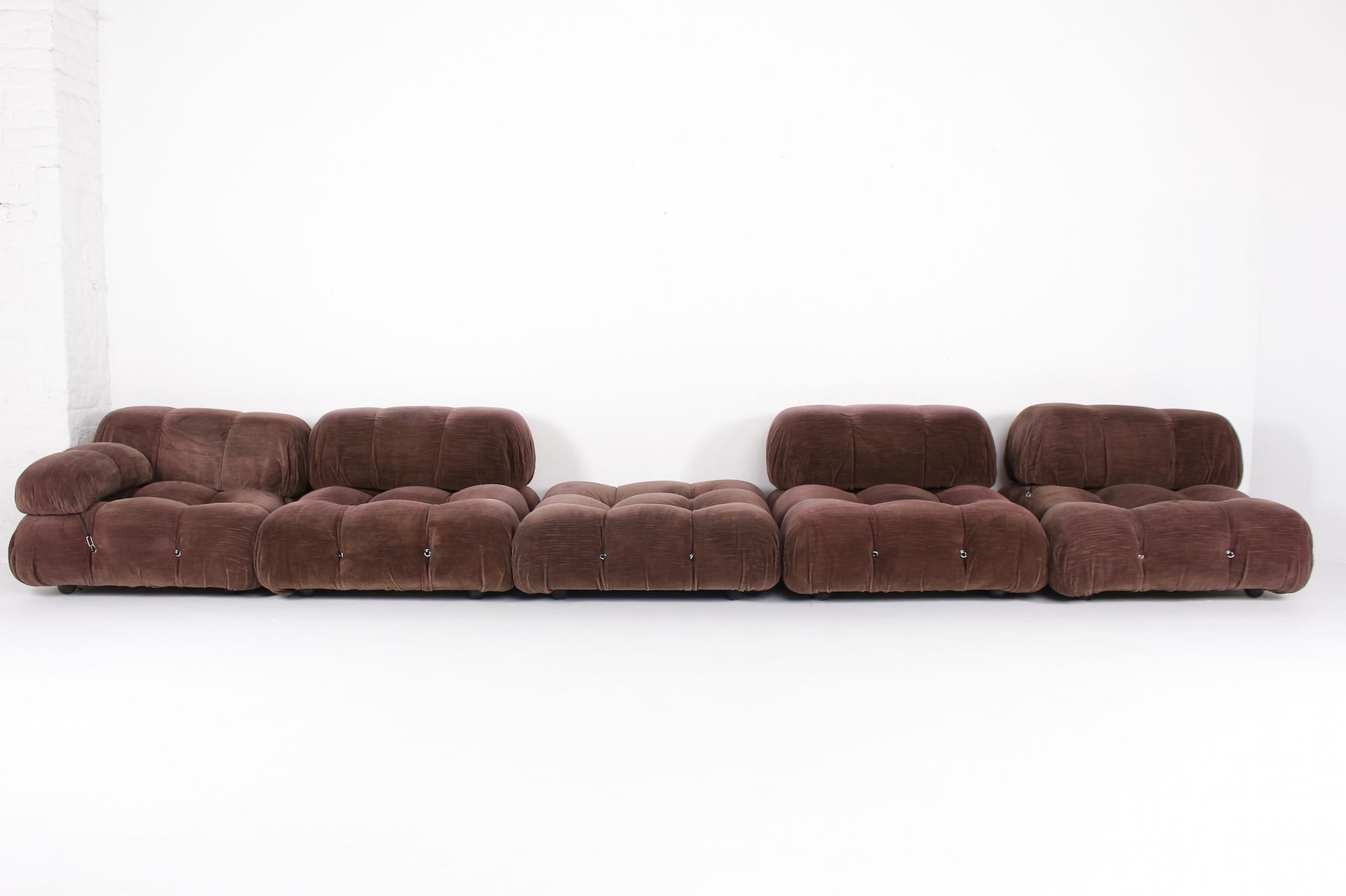
One of Mario Bellini’s most sought-after creations: the “Camaleonda” modular sofa.
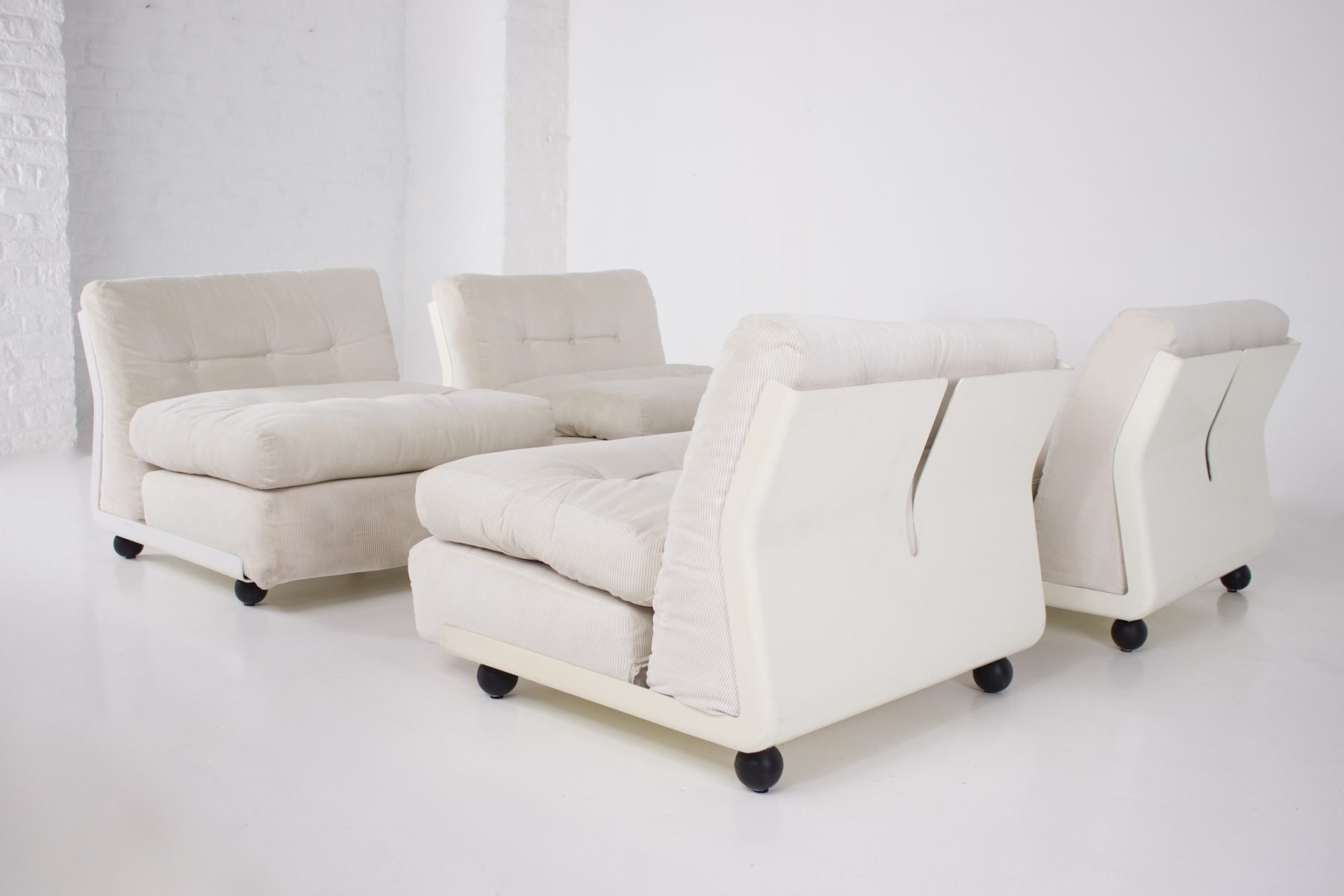
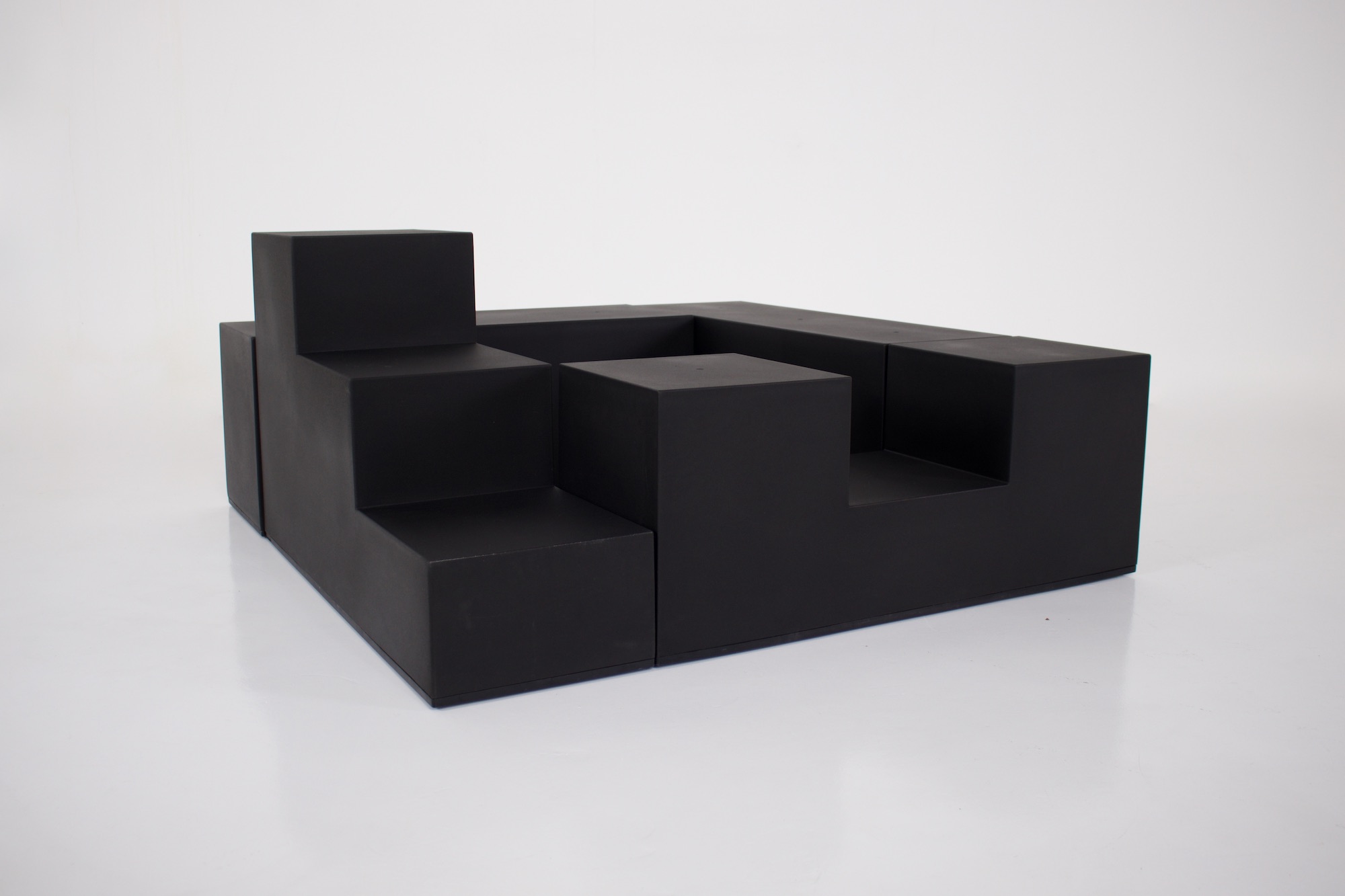
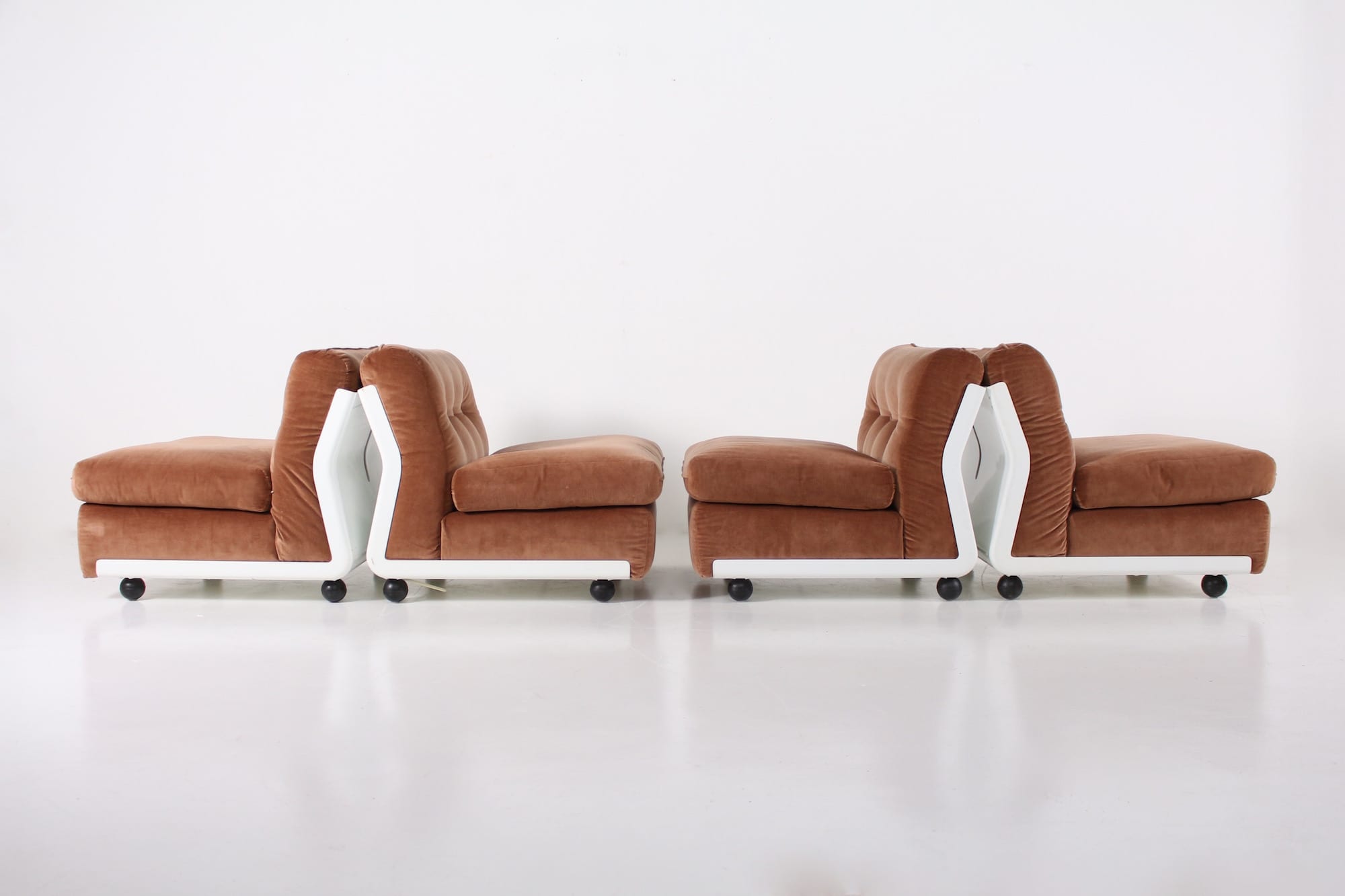
Alongside his work as an industrial designer, Mario Bellini developed several major creations of vintage armchairs, sofas, and furniture for C&B Italia and later B&B Italia, including the “Camaleonda,” “Le Bambole,” “Amanta,” and “Gli Scacchi” collections. These creations helped redefine Italian lounge furniture through lower, softer, modular forms.
The “Le Bambole” sofa, an iconic creation by Mario Bellini for B&B Italia, has become a benchmark of 1970s Italian design.
His vintage armchairs and modular sofas are now among the most sought-after creations of 1970s Italian design. Bellini’s work is characterized by particular attention to generous volumes, deep seating, and new industrial materials used in contemporary furniture.
His work is not limited to furniture. Bellini also designed lighting, electronic equipment, audio systems, automobiles, and exhibition spaces for many Italian and international companies such as Cassina, Vitra, Yamaha, Renault, Artemide, and Flos.
From the 1980s onward, he devoted himself more to architecture. His projects include the Department of Islamic Art at the Louvre in Paris, the Tokyo Design Center, the Milan convention center, and several cultural and office buildings in Europe, the United States, and Asia.
Awarded the Compasso d’Oro eight times, Mario Bellini is now among the most influential Italian designers of his generation. Twenty-five of his creations are in the permanent collections of the Museum of Modern Art in New York, which devoted a major retrospective to him as early as 1987.