



Charles & Ray Eames
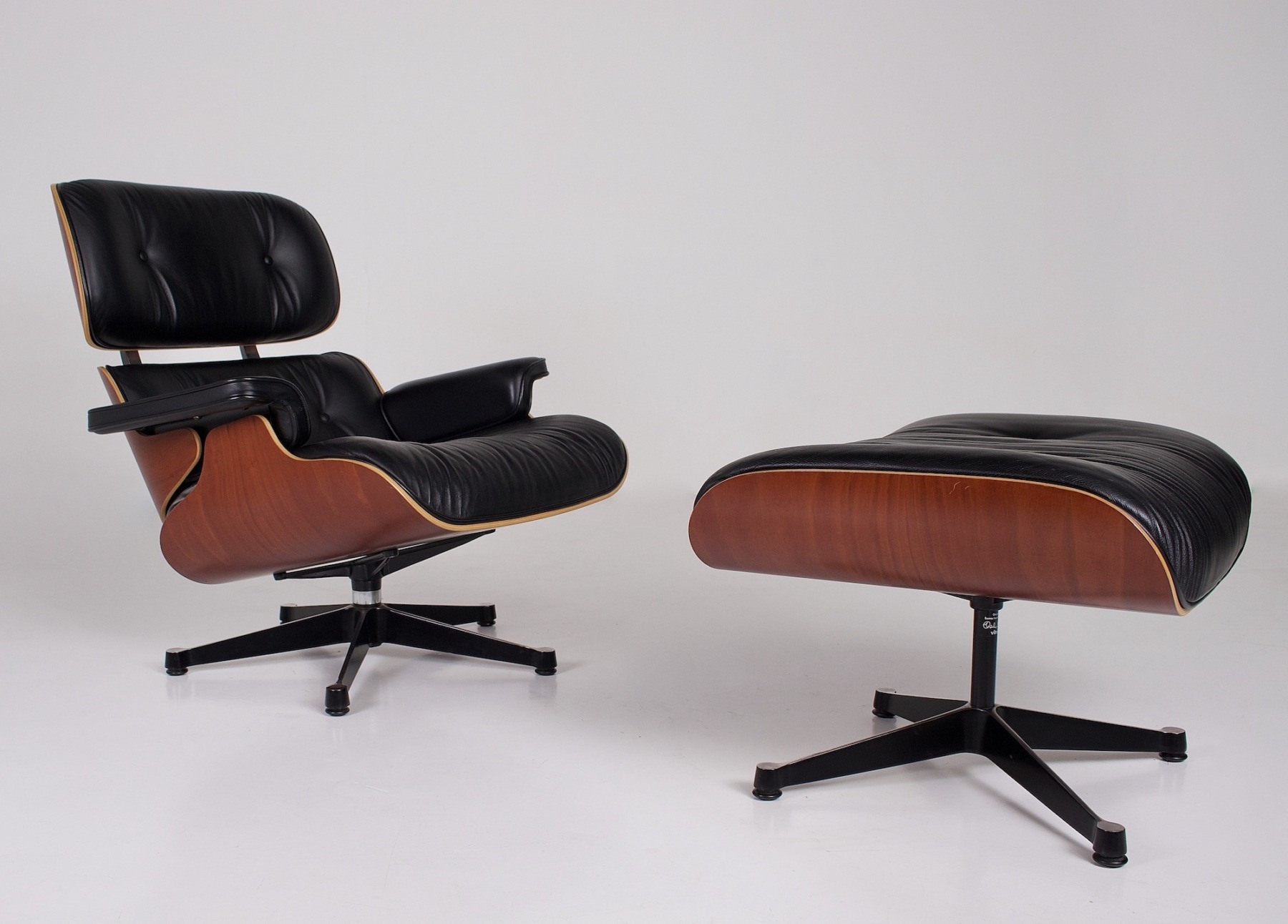
In 1956, the famous Lounge Chair & Ottoman was born, becoming one of the most iconic armchairs of the 20th century. Combining molded plywood, precious wood veneers, and leather, it perfectly embodies the Eames philosophy: to design elegant, durable, and particularly comfortable furniture.
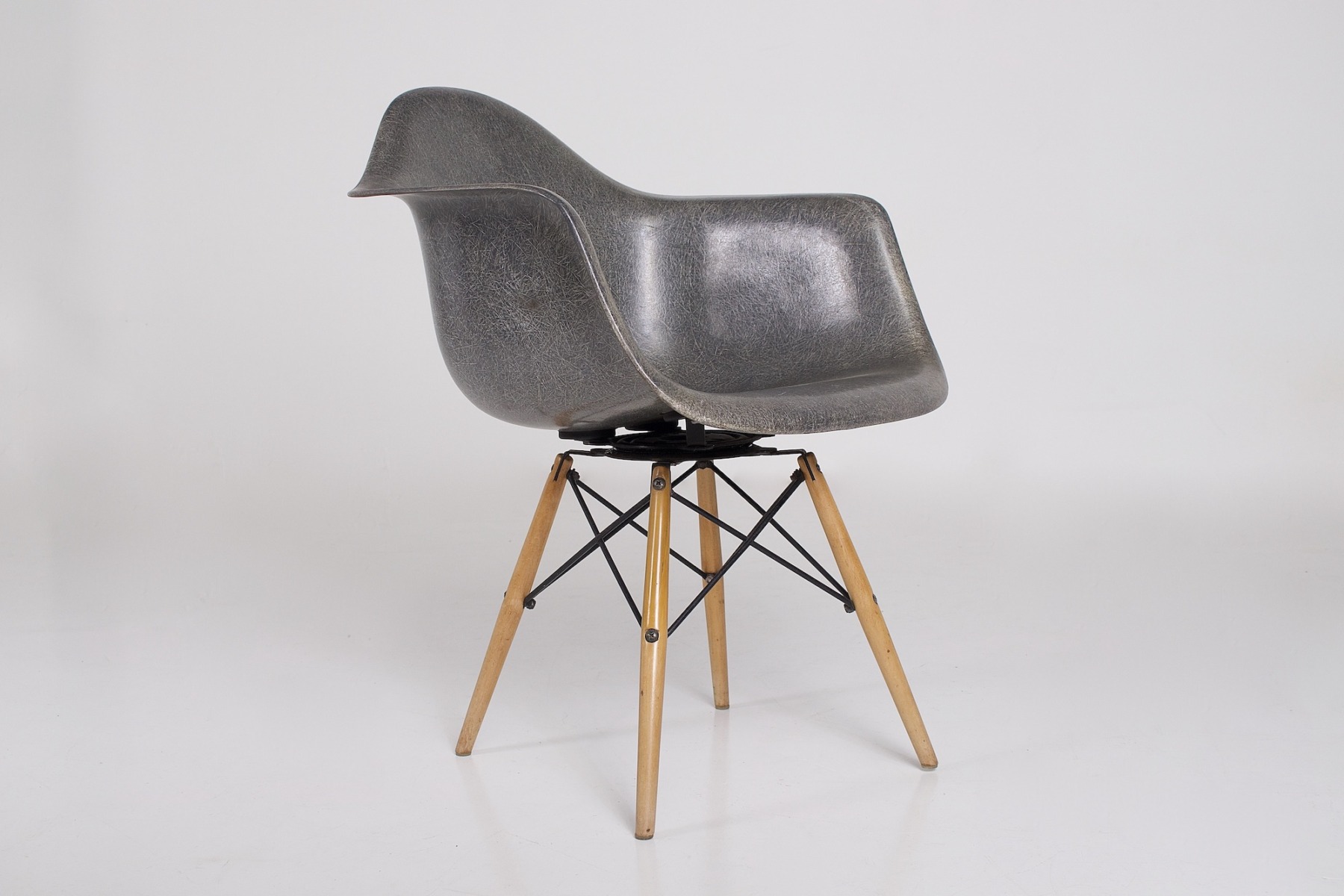
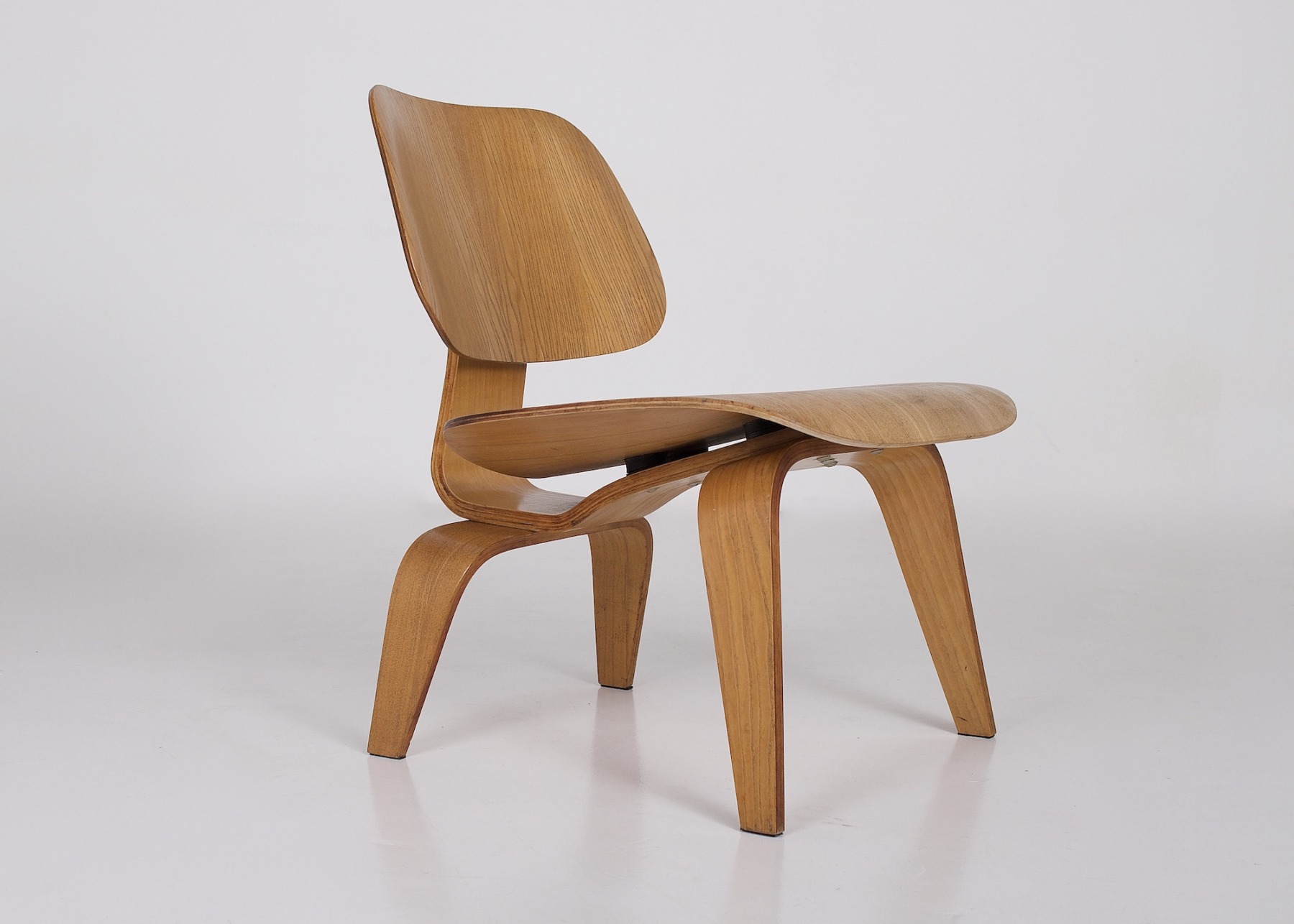
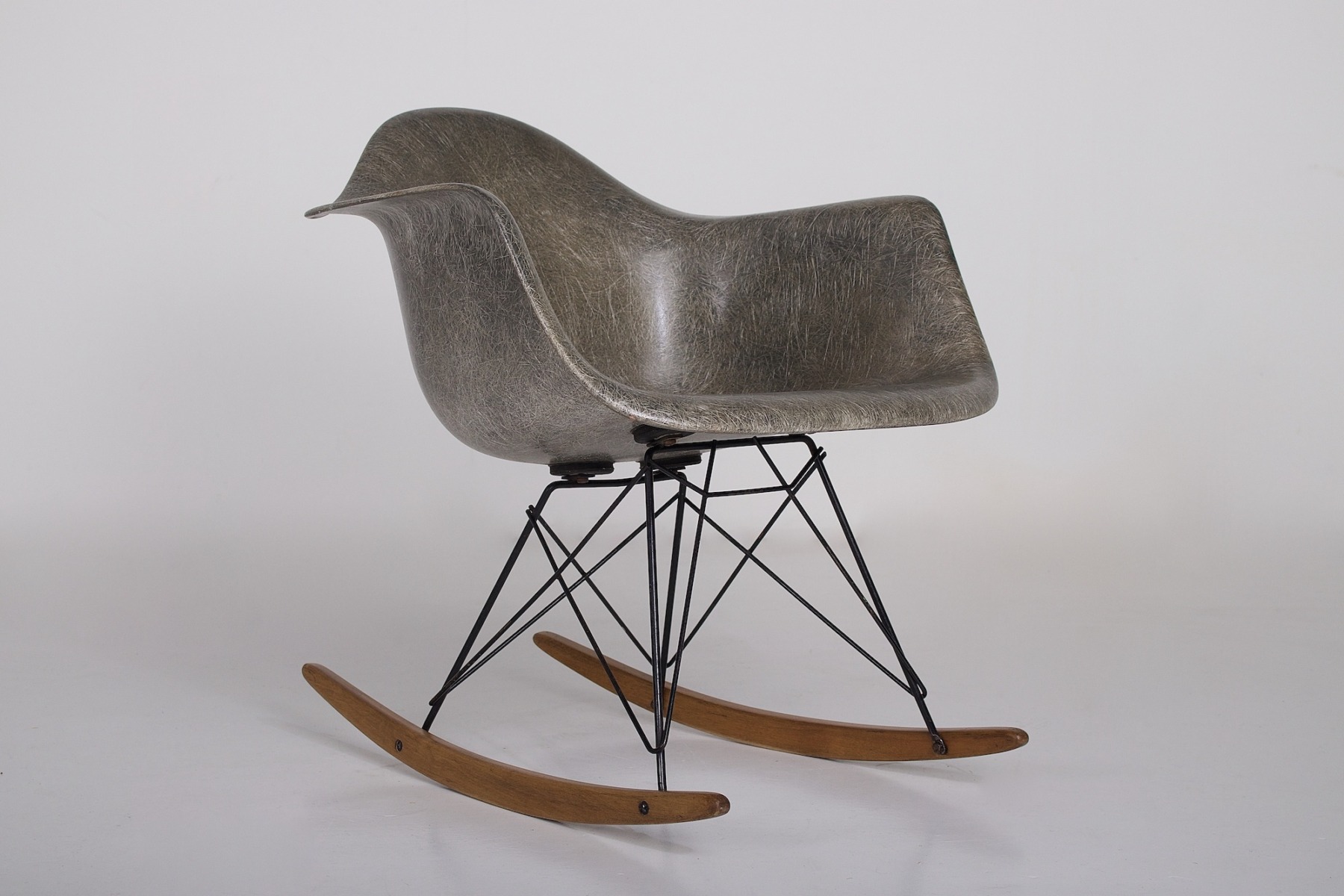
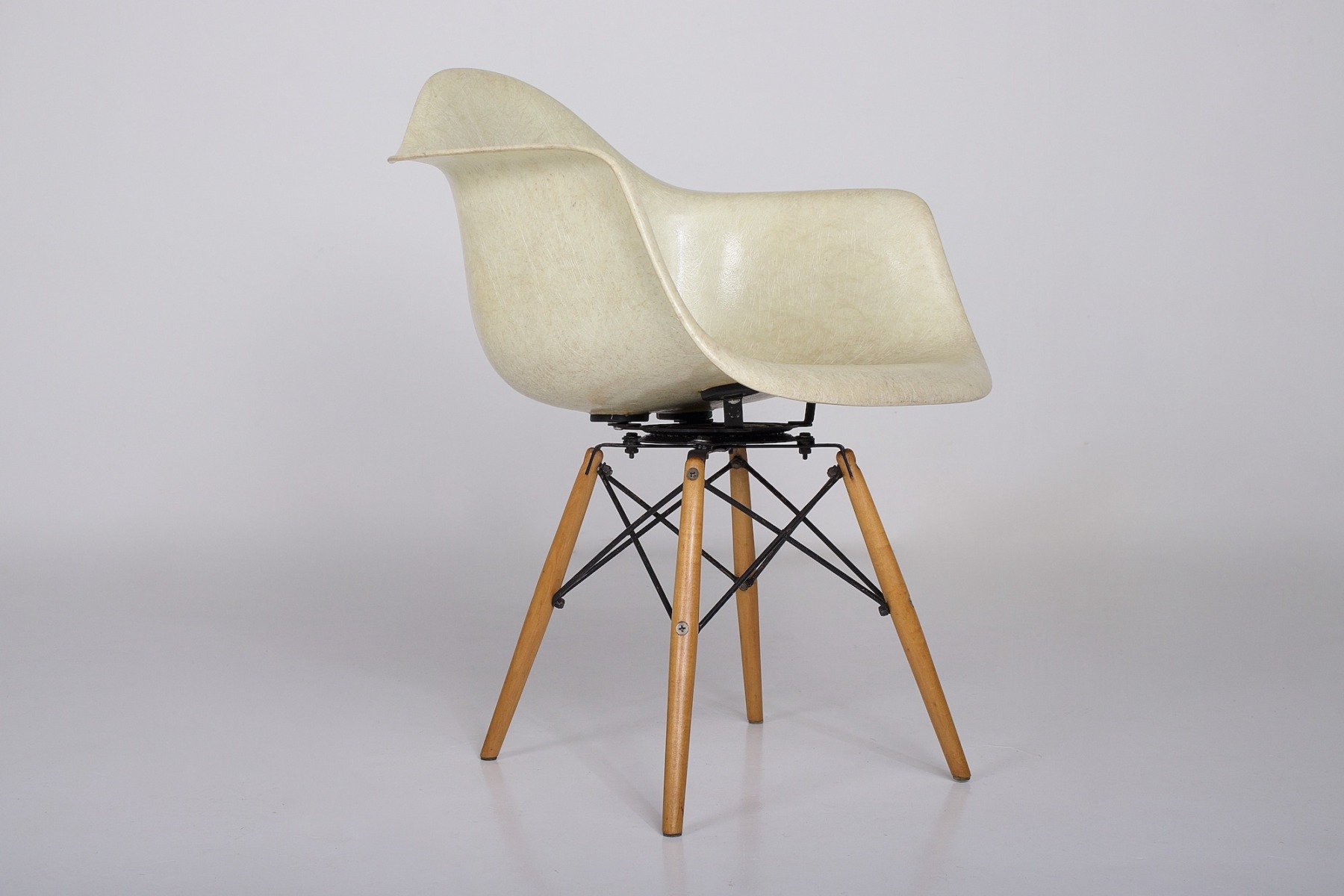



Charles and Ray Eames rank among the greatest creators of American design of the 20th century. Their work profoundly influenced the history of design furniture through an approach combining technical innovation, comfort, and industrial production. Their chairs, armchairs, and creations in molded plywood, fiberglass, or aluminum, notably produced by Herman Miller and later Vitra, remain today essential references in vintage furniture.
Their adventure began in the 1940s at the Cranbrook Academy of Art, where Charles Eames collaborated with Eero Saarinen before meeting Ray Kaiser, who would become his creative partner. Settling in California, they perfected wood bending and molding techniques. Faced with financial difficulties in their first venture, they then approached Evans Products, which incorporated them as its Molded Plywood Division. This step was decisive: it gave birth to the future Eames Office and enabled the development of furniture intended for high-quality industrial manufacturing.
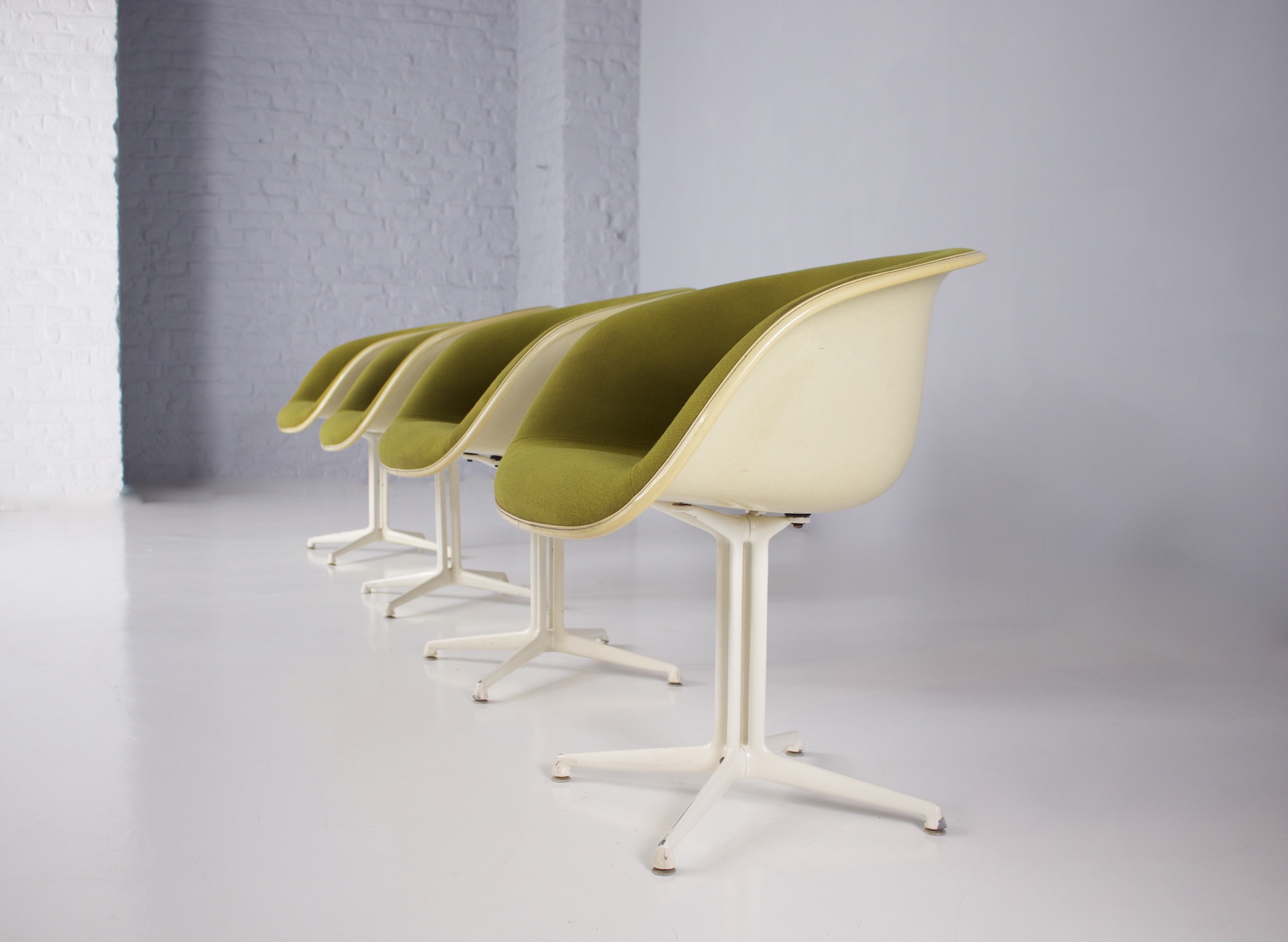
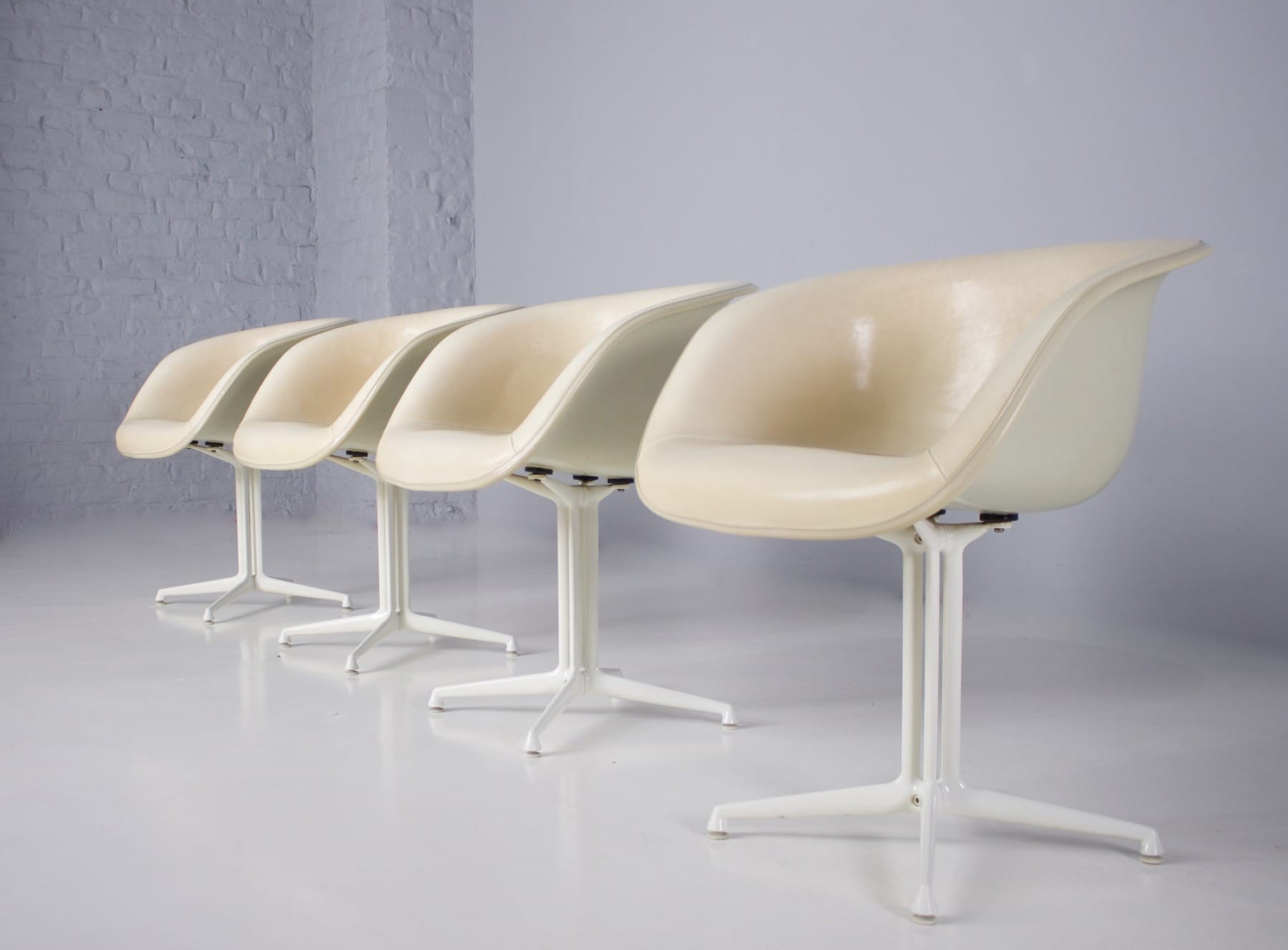
In 1946, the Museum of Modern Art in New York dedicated the exhibition New Furniture Designed by Charles Eames to them. The LCW, LCM, DCW, and DCM models demonstrated the full potential of molded plywood and revolutionized the concept of the designer chair. Two years later, at the International Competition for Low-Cost Furniture Design, the couple presented their first fiberglass seating. The Eames also exhibited La Chaise — which would not be mass-produced during their lifetime. The RAR, DAR, DSR, and DAW models illustrate their desire to offer a chair adapted to every use thanks to an ingenious system of interchangeable shells and bases.
Created in 1948 by Charles & Ray Eames, La Chaise translates the organic curves of Gaston Lachaise’s Floating Figure (1927) into an armchair that has become a benchmark of 20th-century design.
By the end of the 1940s, Evans Products’ industrial capacities became insufficient. Charles and Ray Eames then approached George Nelson, design director at Herman Miller. The company acquired the manufacturing rights for their furniture and contributed to its international distribution. This collaboration played a major role in the success of the Eames’ creations during the 1950s, a period when they became established in both modern homes and professional spaces.
In 1956, the famous Lounge Chair & Ottoman was born, becoming one of the most iconic armchairs of the 20th century. Combining molded plywood, precious wood veneers, and leather, it perfectly embodies the Eames philosophy: to design elegant, durable, and particularly comfortable furniture. Its success definitively cemented Charles and Ray Eames’ place in the history of design furniture.
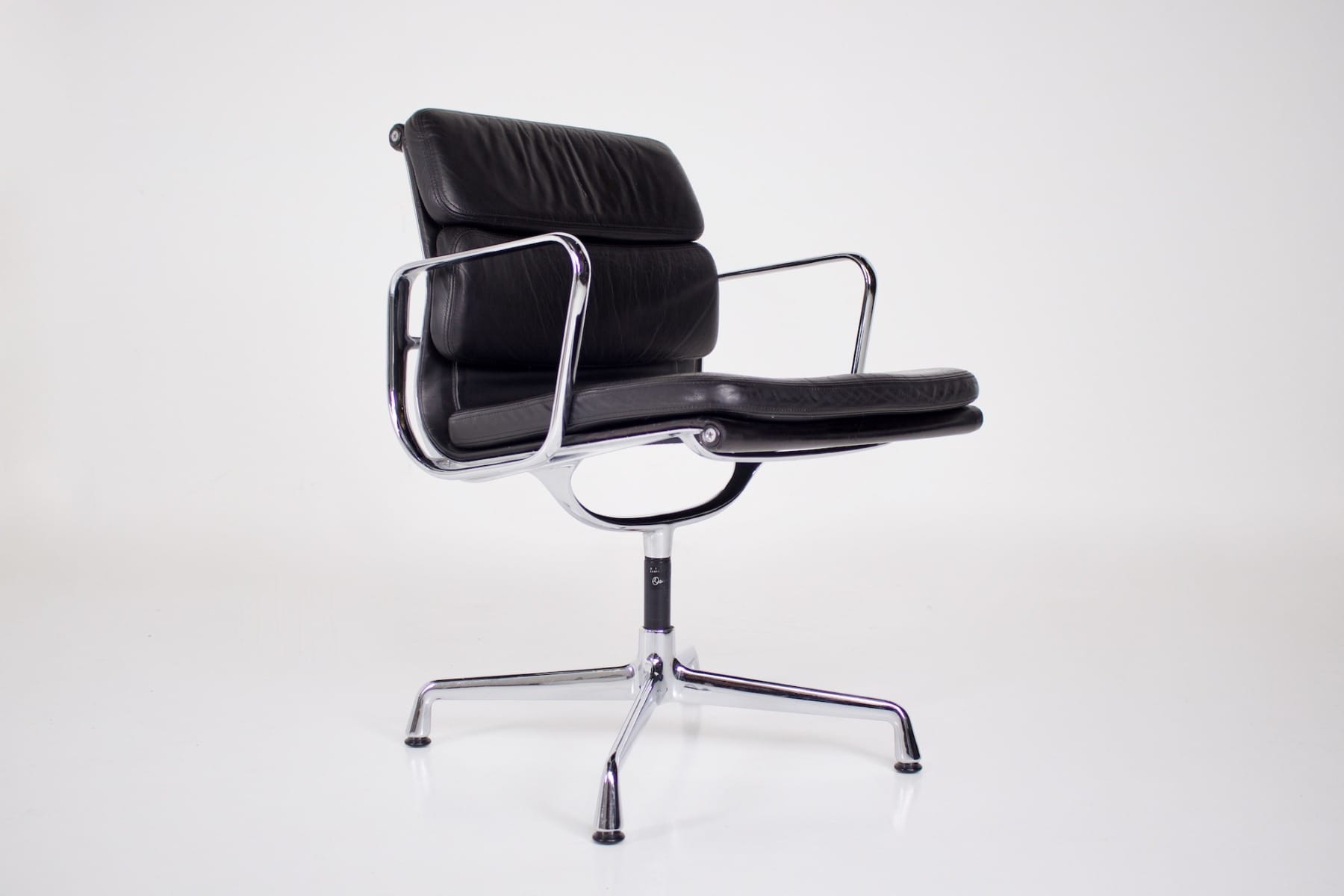
From the late 1950s and throughout the 1960s, the studio developed the Wire Chair, Aluminium Group, and Soft Pad Group series, which redefined office furniture through the use of steel wire and aluminum. The Wire Chair was, moreover, at the origin of a famous dispute between Herman Miller and Knoll, after Harry Bertoia, a former Eames Office collaborator who became a designer at Knoll, developed a chair based on a comparable constructive principle. In 1957, Vitra obtained the manufacturing license for Eames creations for Europe and the Middle East, ensuring their distribution to an ever-wider public.
Architects, designers, scenographers, and filmmakers, Charles and Ray Eames profoundly influenced modern design far beyond furniture. Still produced, collected, and sought after since the 1970s, their vintage chairs, armchairs, and molded plywood creations remain today among the most important works in the history of 20th-century furniture, illustrating a remarkable balance between innovation, functionality, and timeless elegance.