



Charles Vandenhove
After graduating in 1951, he began collaborating with Lucien Kroll, sharing a desire to confront the principles of modernism with the practical realities of the field. His works, notably in Liège, show a balance between modernist rigour and attention to materials, proportions, and the built environment.
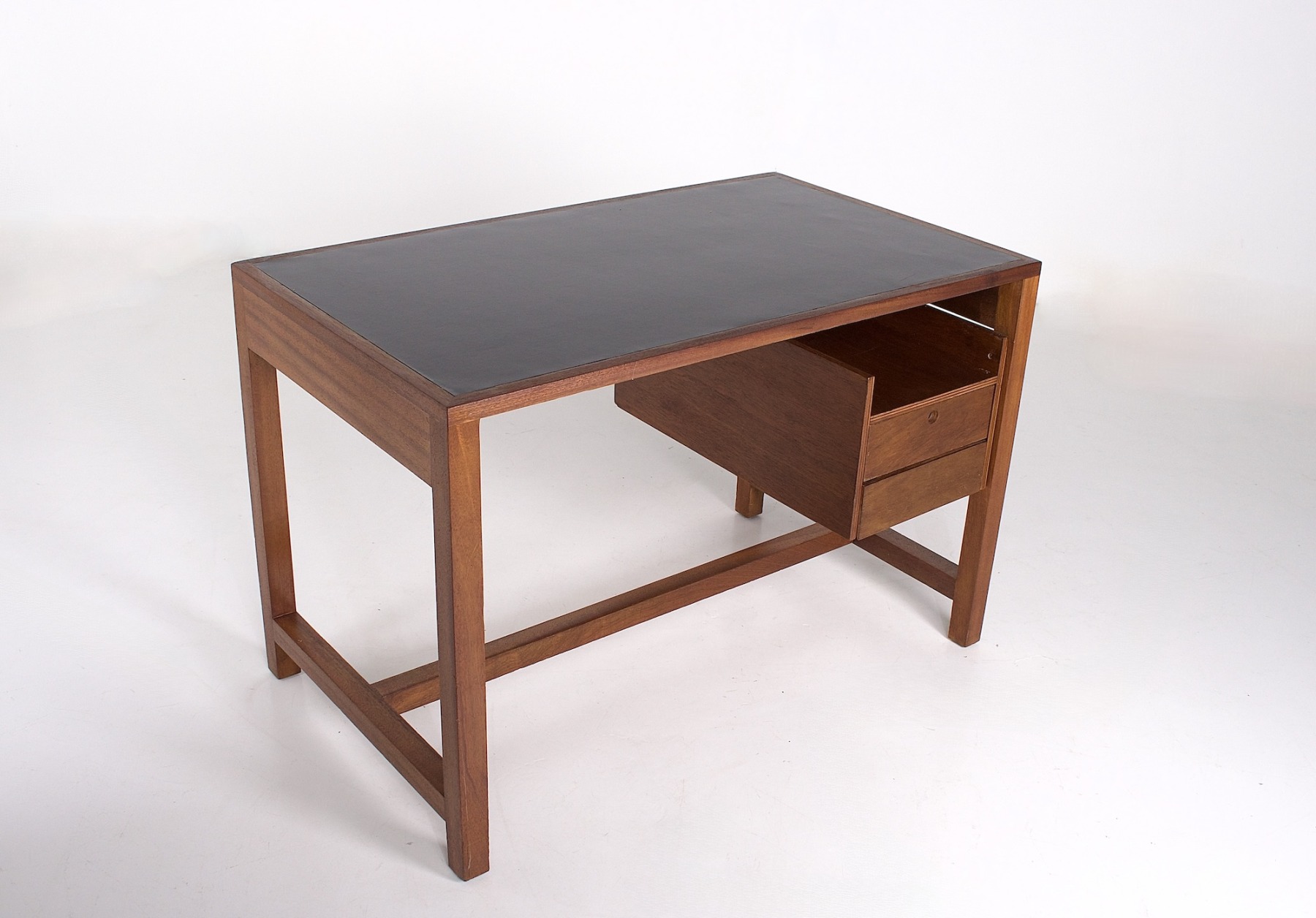
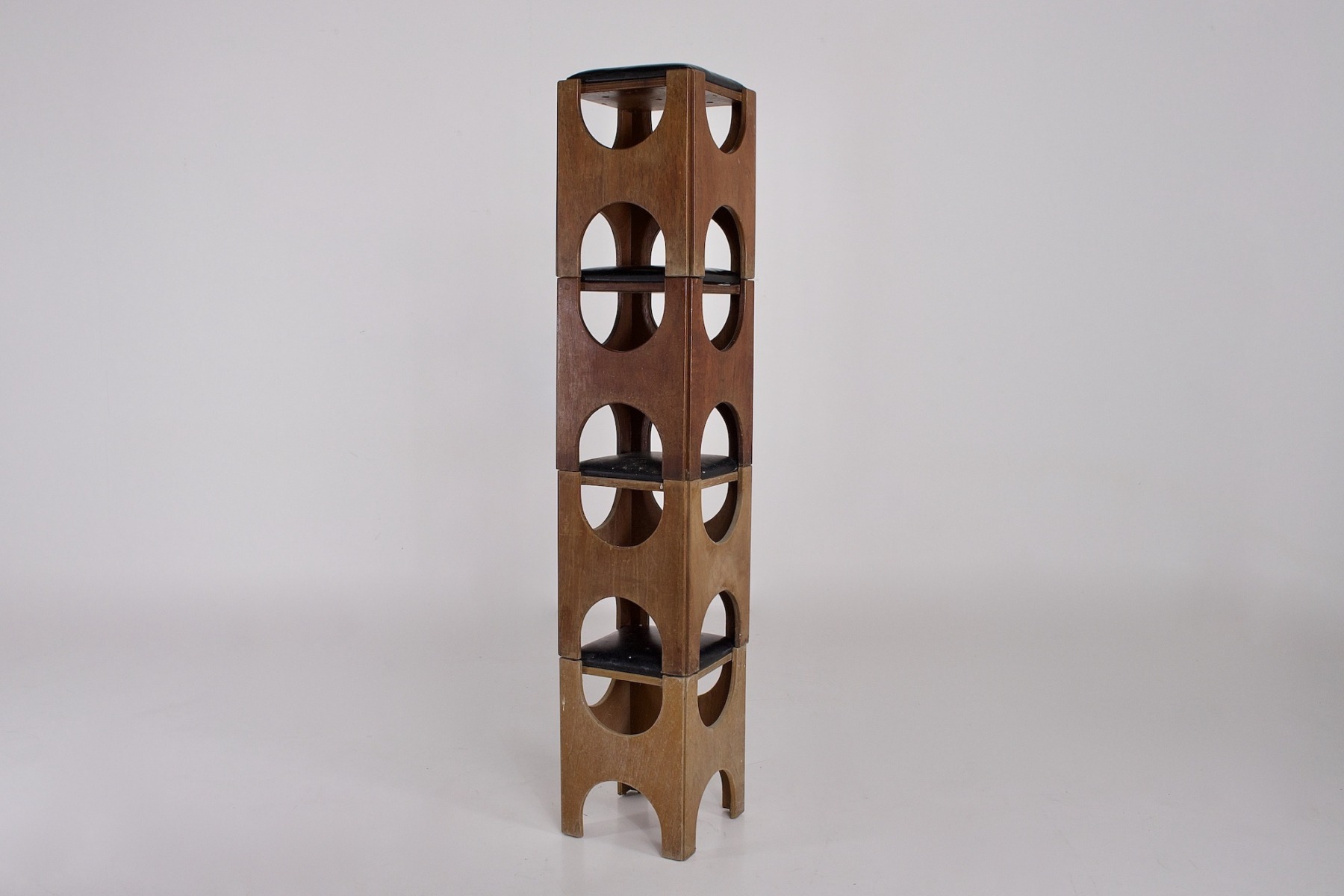
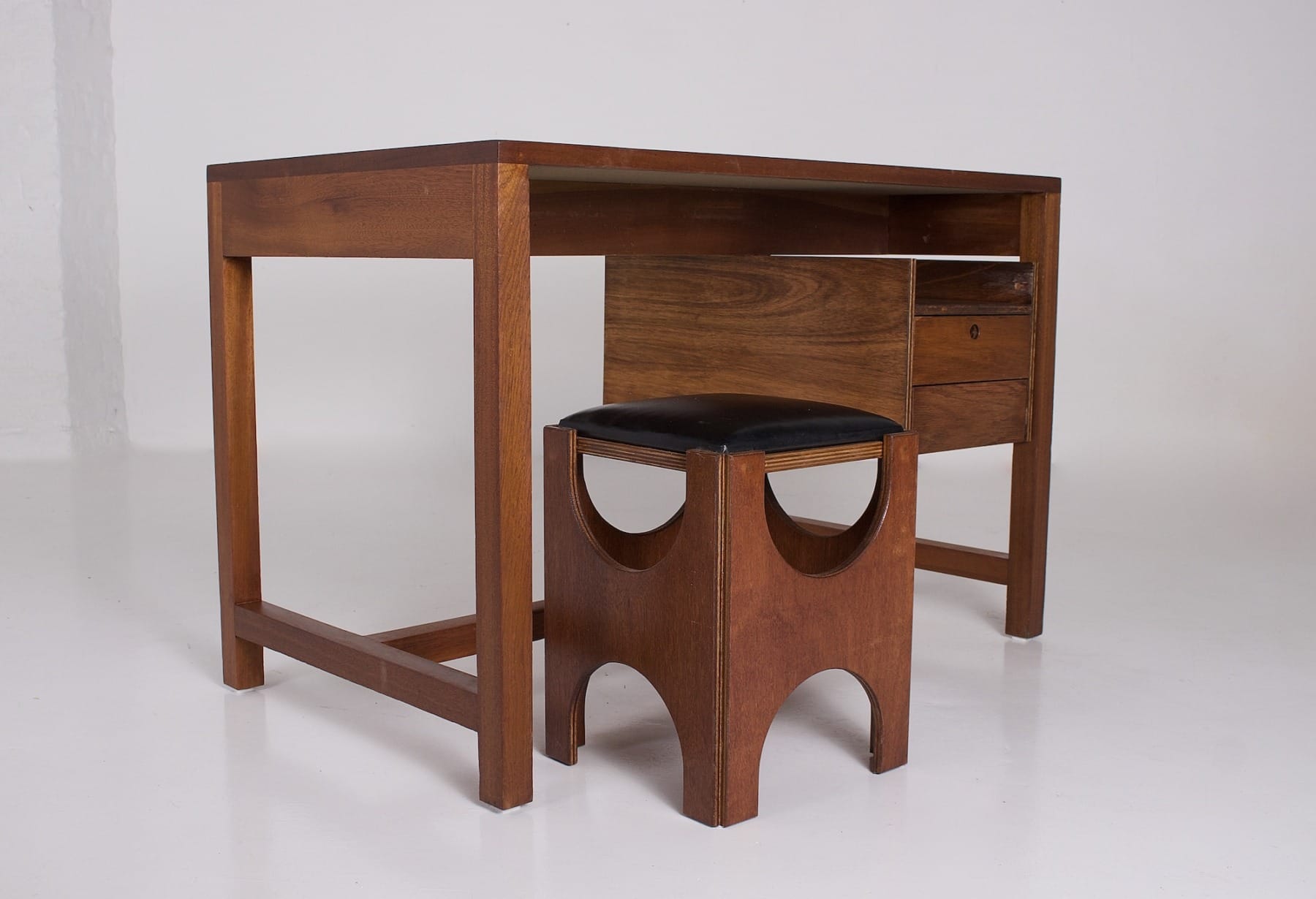
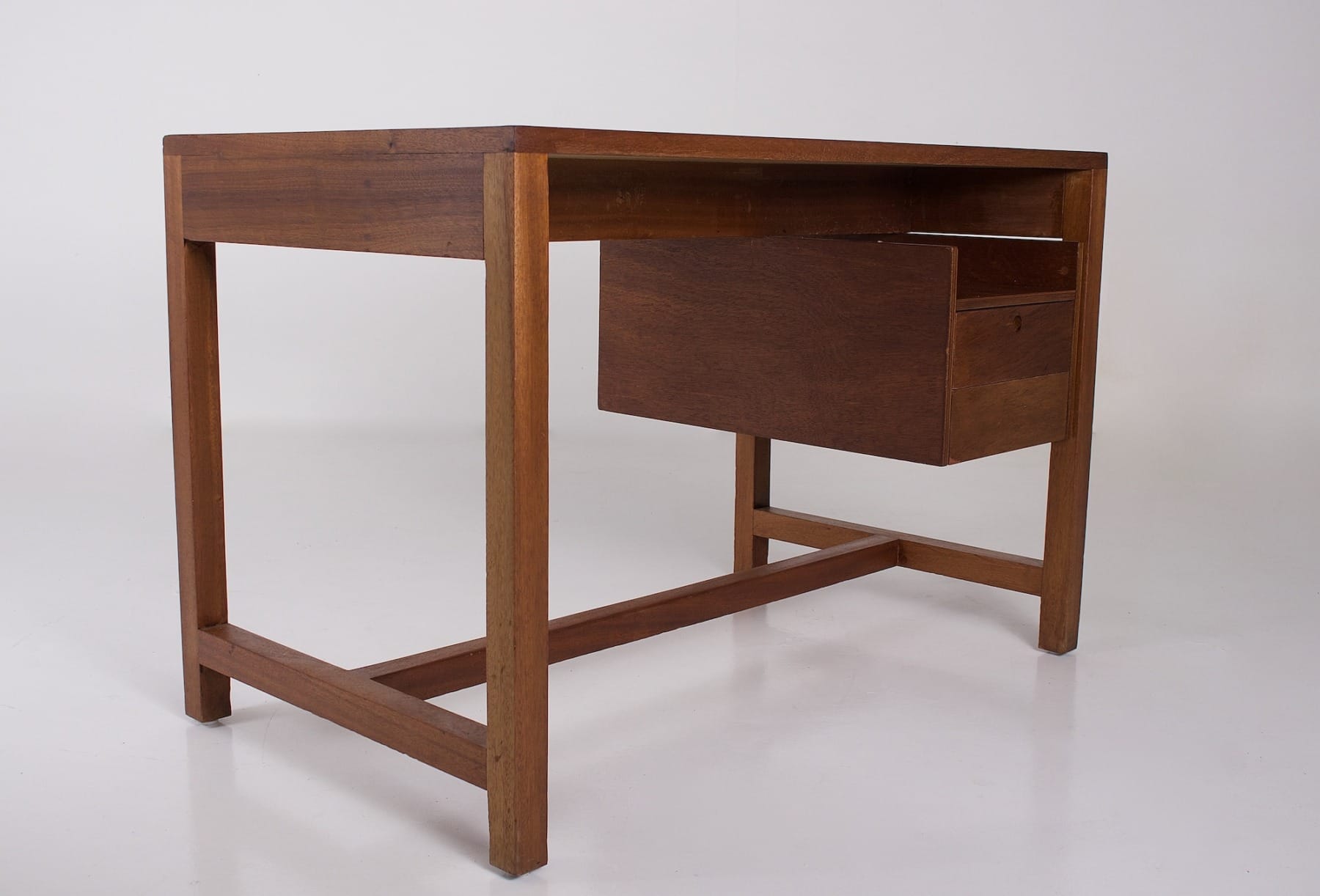
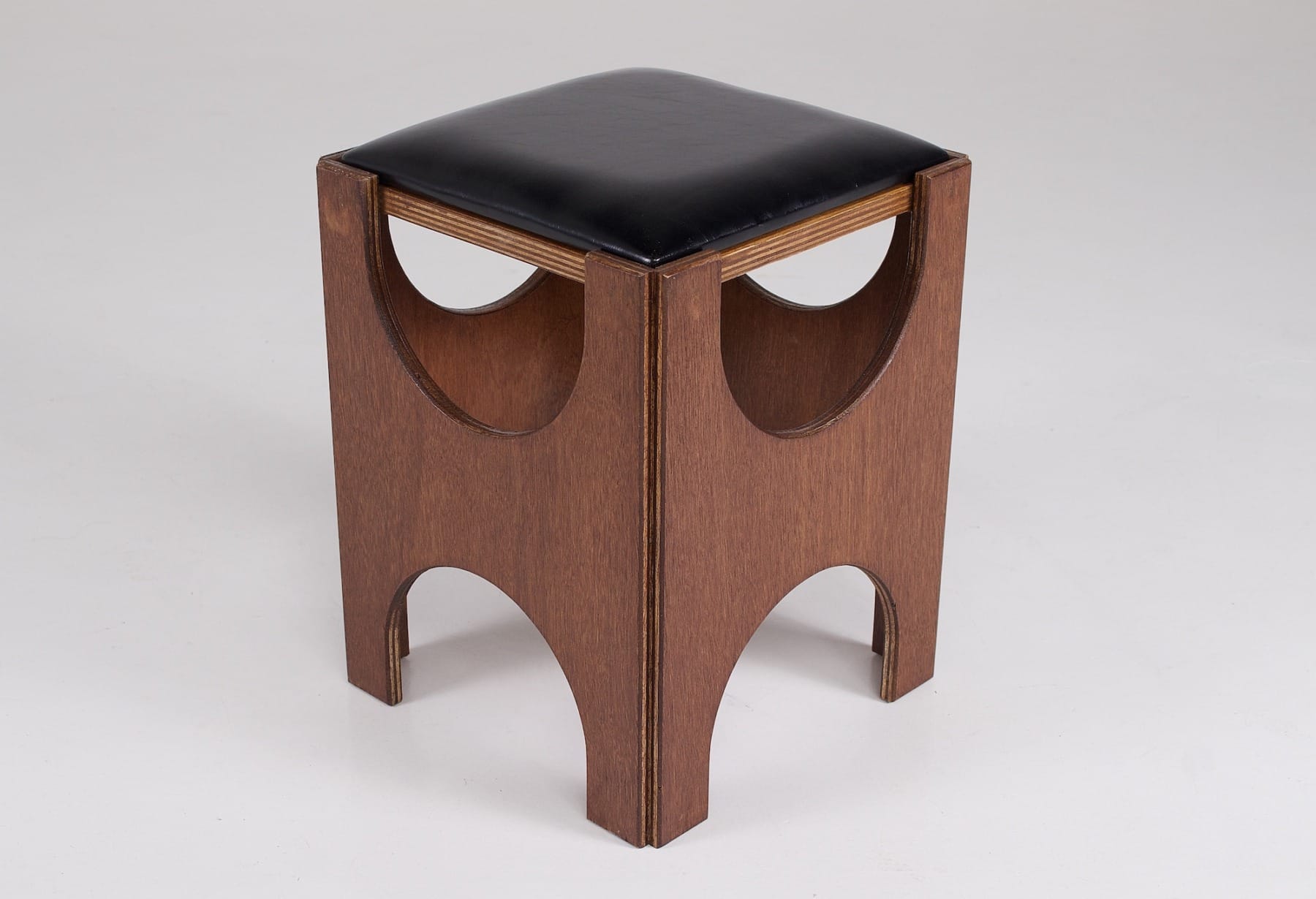
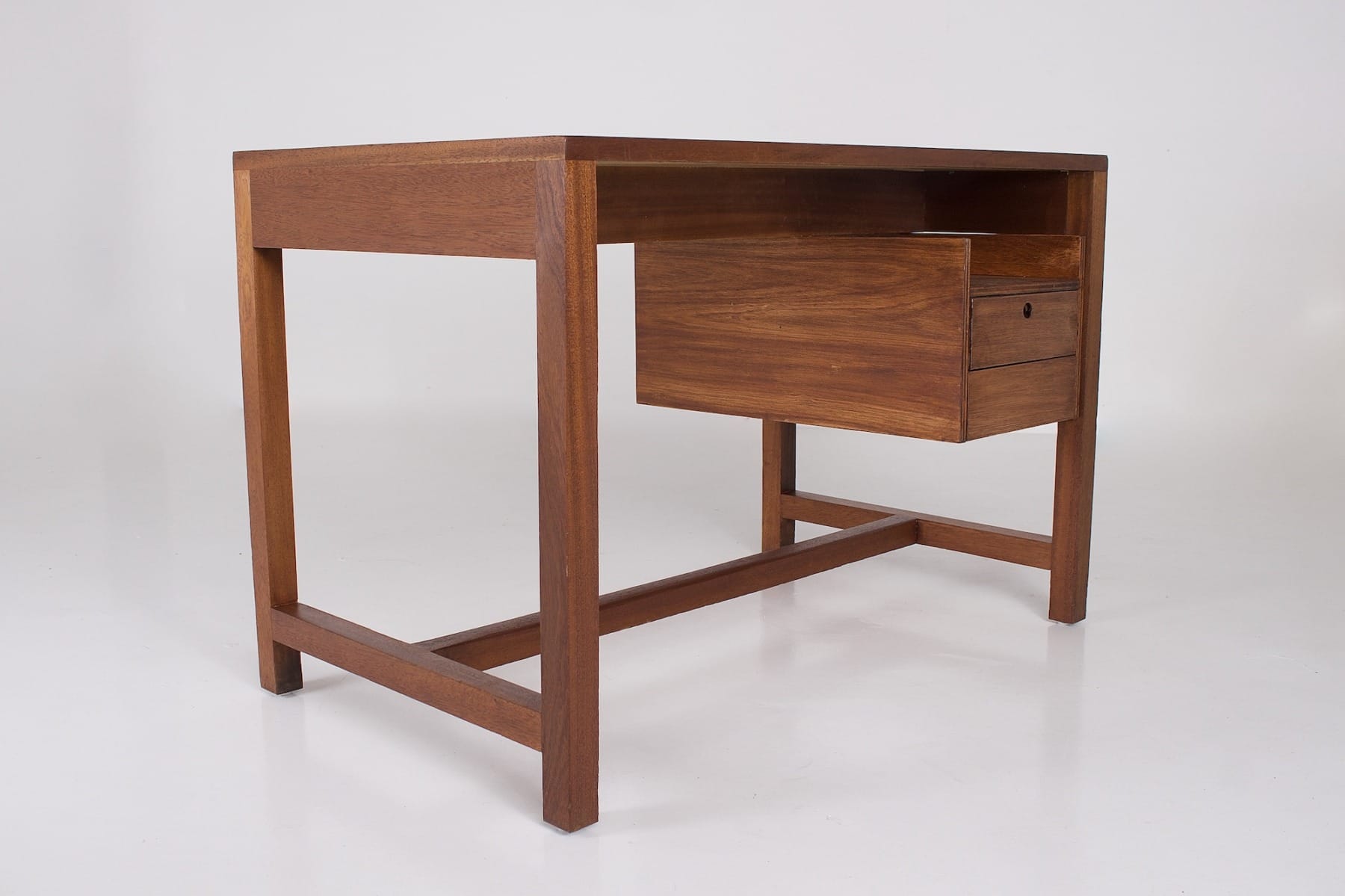
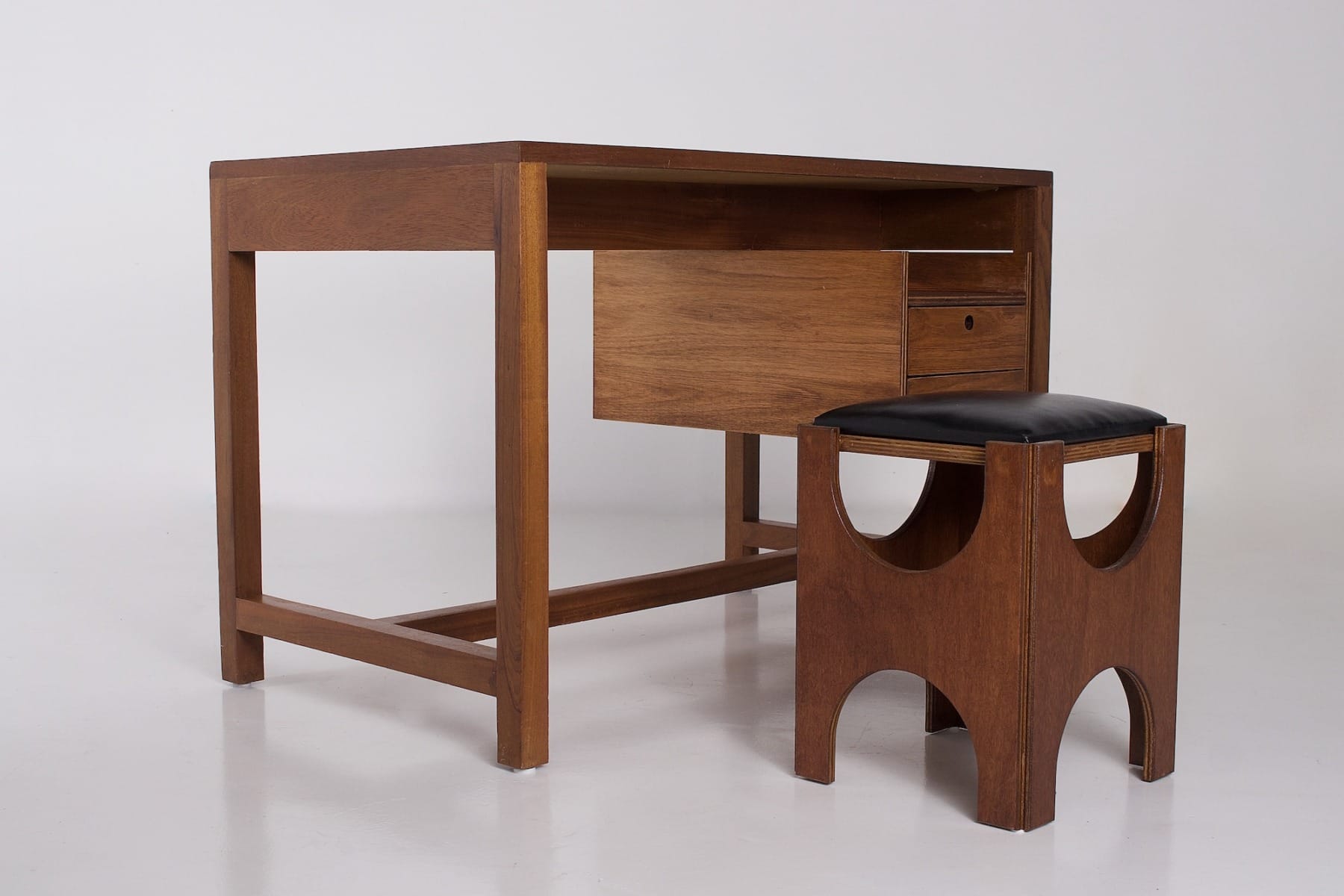
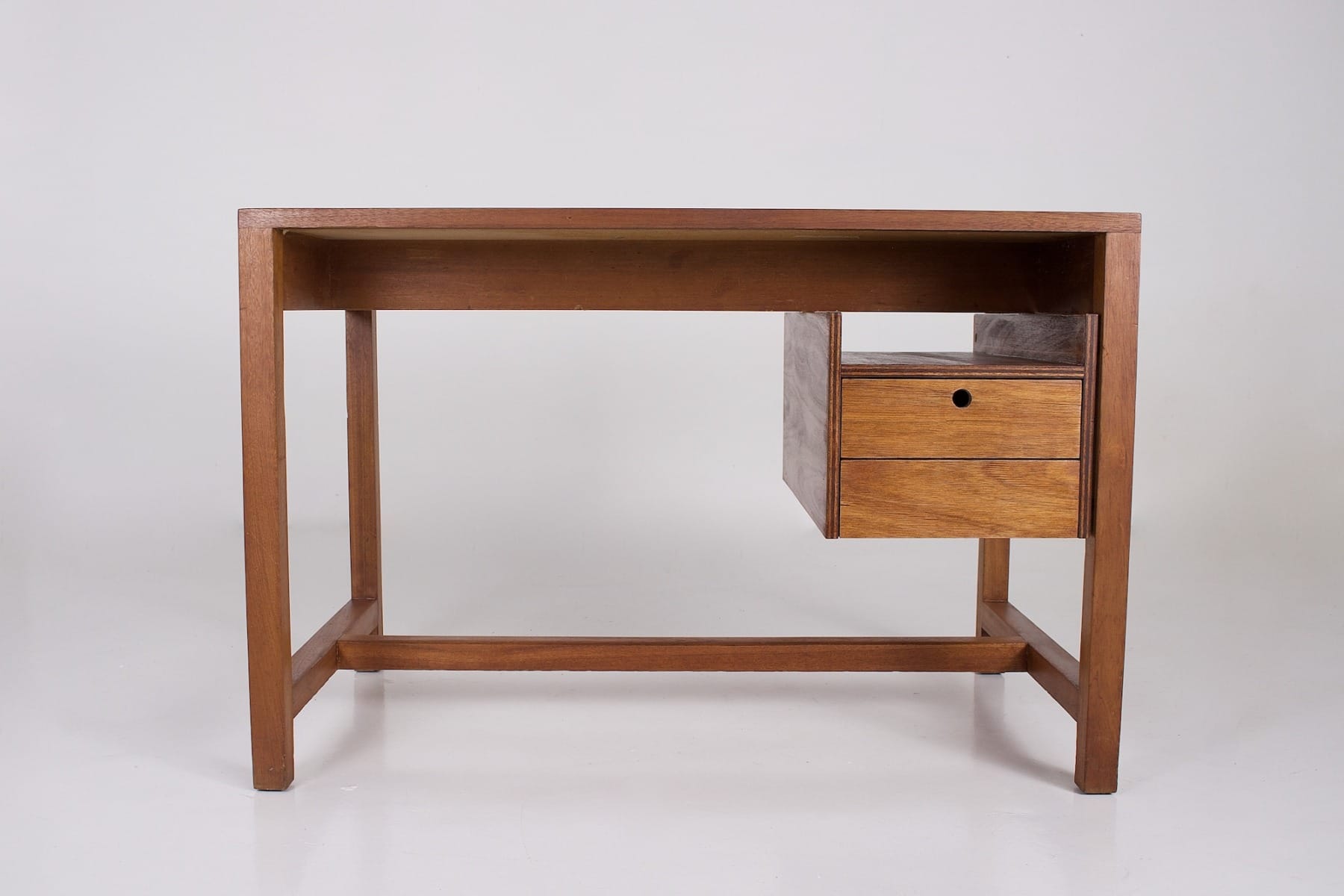
Charles Vandenhove – Belgian architect and designer

Charles Vandenhove (1927–2019) is a major figure in 20th-century Belgian architecture. Born in Teuven, he trained at the Saint-Luc School in Liège before continuing his studies at La Cambre, in the studio of Victor Bourgeois, whose influence would leave a lasting mark on his approach.
After graduating in 1951, he began collaborating with Lucien Kroll, sharing a desire to confront the principles of modernism with the practical realities of the field. Together, they studied the great masters of the era, such as Le Corbusier and Auguste Perret, while developing an approach more deeply rooted in usage and context.
From the 1960s onwards, Charles Vandenhove asserted a personal style, in which architecture and furniture form part of the same project. His works, notably in Liège, show a balance between modernist rigour and attention to materials, proportions, and the built environment.
His work stands out for a constant desire for dialogue between disciplines: architects, craftspeople, and trades work within a collaborative logic, where construction becomes a shared process rather than simple execution.
The furniture designed by Charles Vandenhove, often integrated into his architectural projects, extends this approach. Desks, fittings, and functional elements reflect a pursuit of clarity, durability, and direct utility, closely linked to the spaces for which they were conceived.
Passing away in Liège in 2019, Charles Vandenhove leaves a coherent body of work, at the crossroads of modernism and a more contextual vision of architecture, now recognised as essential within the Belgian landscape.