



Artifort and European modernist design
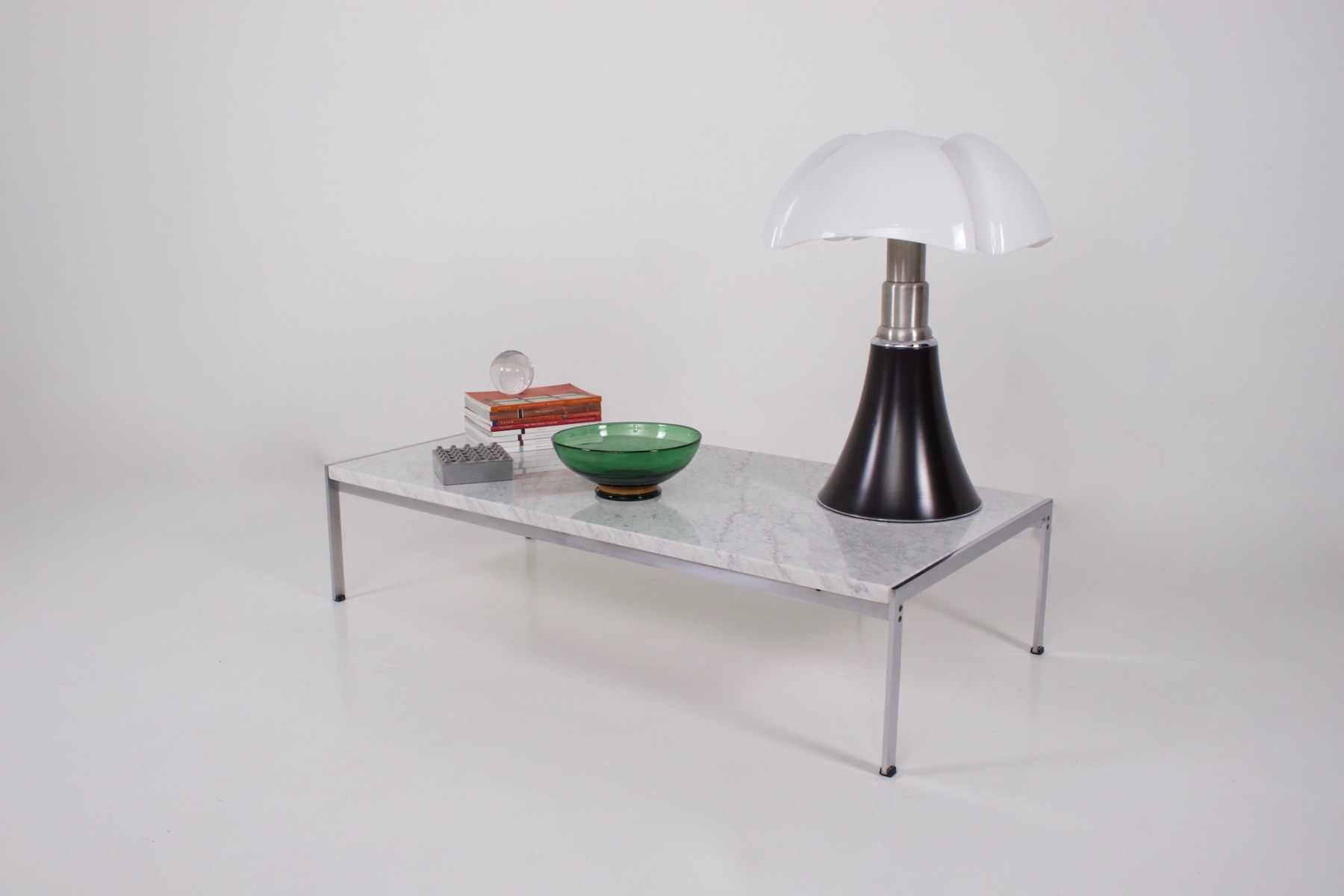
The vintage armchairs presented here, with or without a matching small designer coffee table, attest to this manufacturing rigor and formal research. The turning point came with the arrival of designer Kho Liang Ie, who introduced a new generation of creators, among them Pierre Paulin and Geoffrey Harcourt


Artifort is a Dutch house whose name combines “art” and “comfort.” Active since the late 19th century, it established itself from the 1950s onward as a major player in modern design, moving toward freer forms and innovative manufacturing techniques.
The turning point came with the arrival of designer Kho Liang Ie, who introduced a new generation of creators, among them Pierre Paulin and Geoffrey Harcourt. From the 1960s, Artifort developed seating with continuous volumes, resting on metal structures and foam, marking a break with traditional furniture.
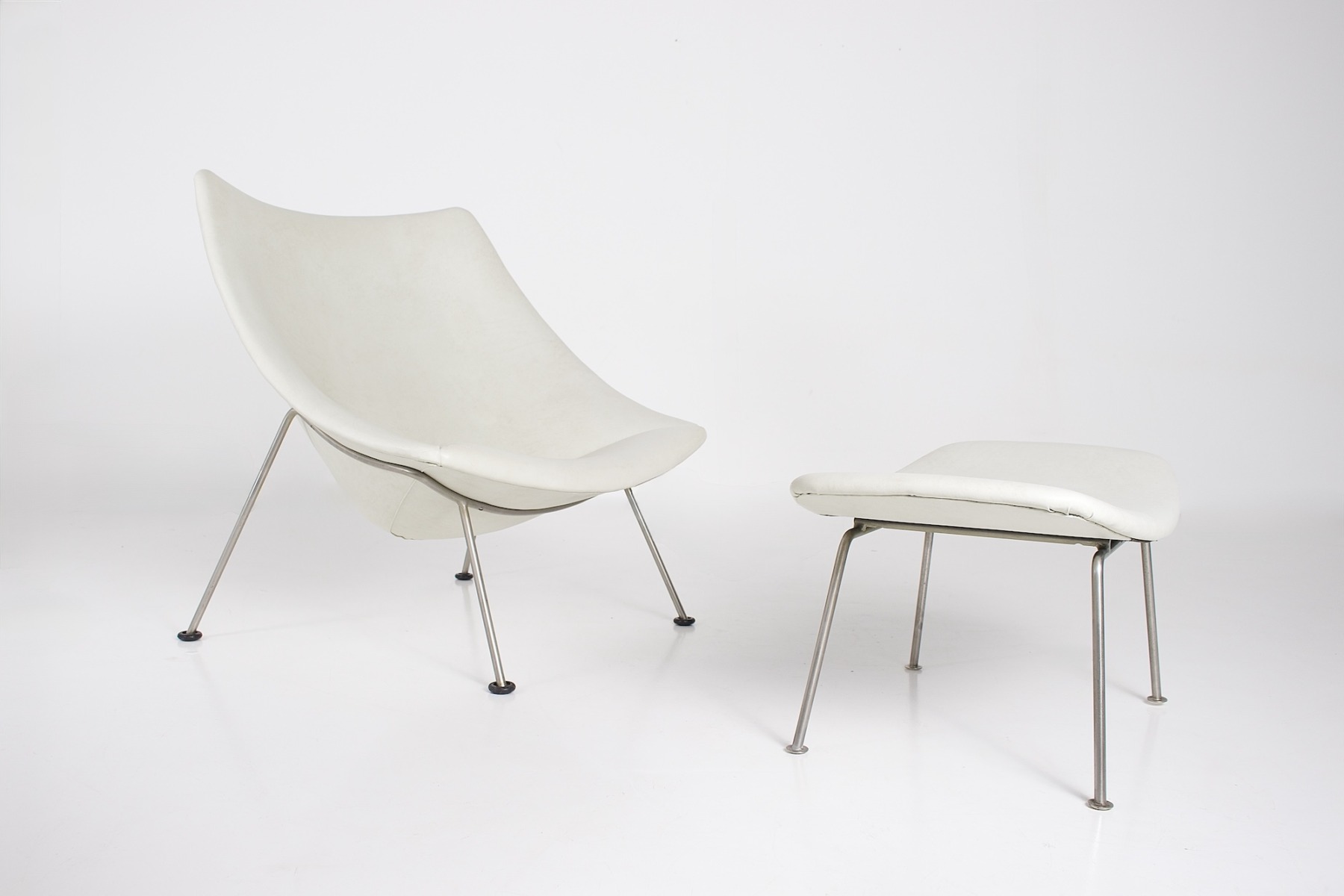
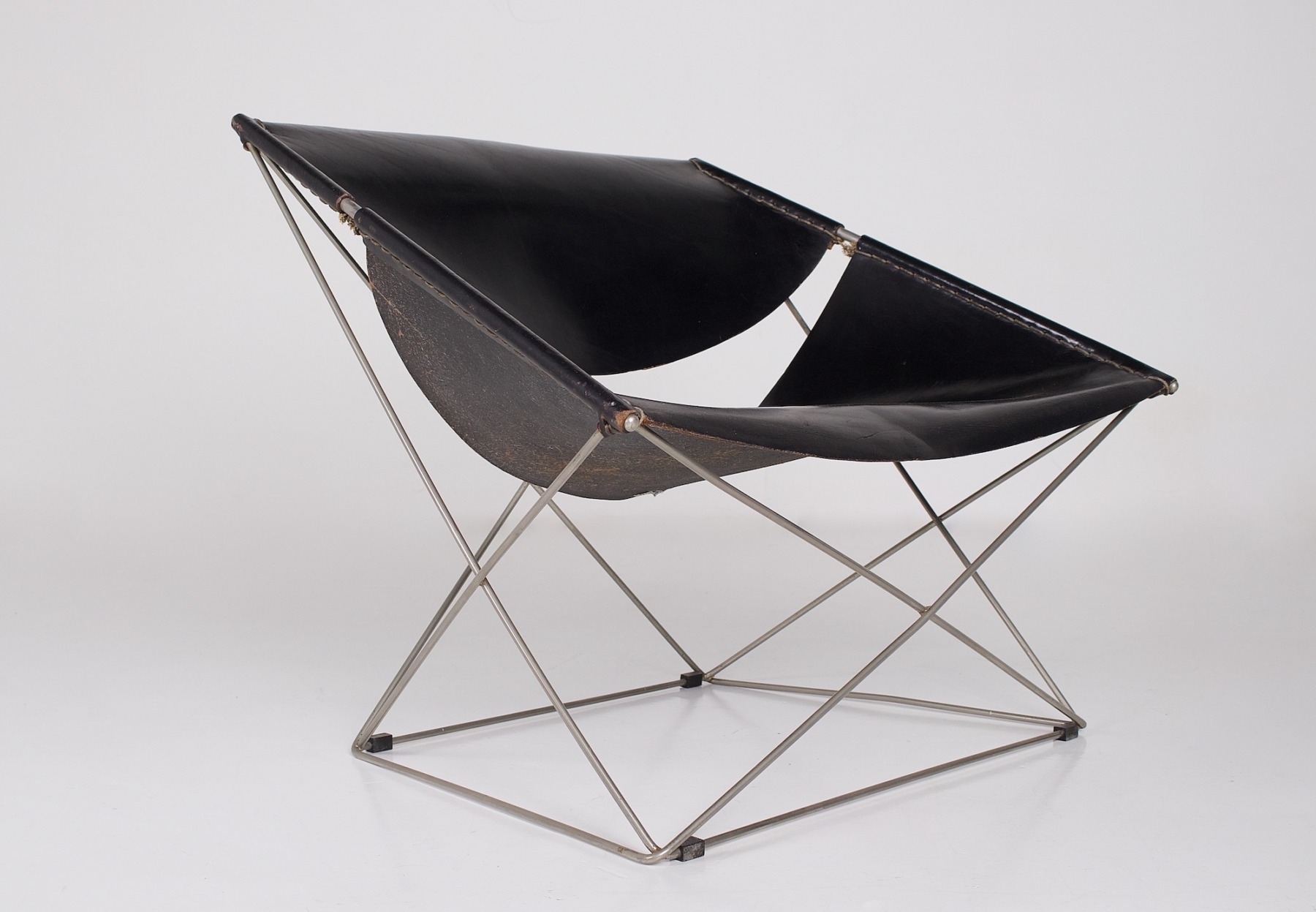
Models such as the Oyster F157, the Butterfly F675, and Pierre Paulin’s F444 armchair illustrate this evolution, in which the seat becomes a global volume, conceived both for comfort and for its visual presence. This approach helped redefine domestic and professional furniture, with immediately identifiable forms.
The vintage armchairs presented here, with or without a matching small designer coffee table, attest to this manufacturing rigor and formal research. They are sought after today for the quality of their design and for Artifort’s importance in the history of 20th-century design, while contributing to the construction of a coherent and identifiable interior.