



Dayak - tribal art and ancestral figures of Borneo
Crafted from extremely dense woods like ironwood (ulin / ironwood), these works are characterized by their powerful sculptural presence, expressive faces, and surfaces deeply marked by time
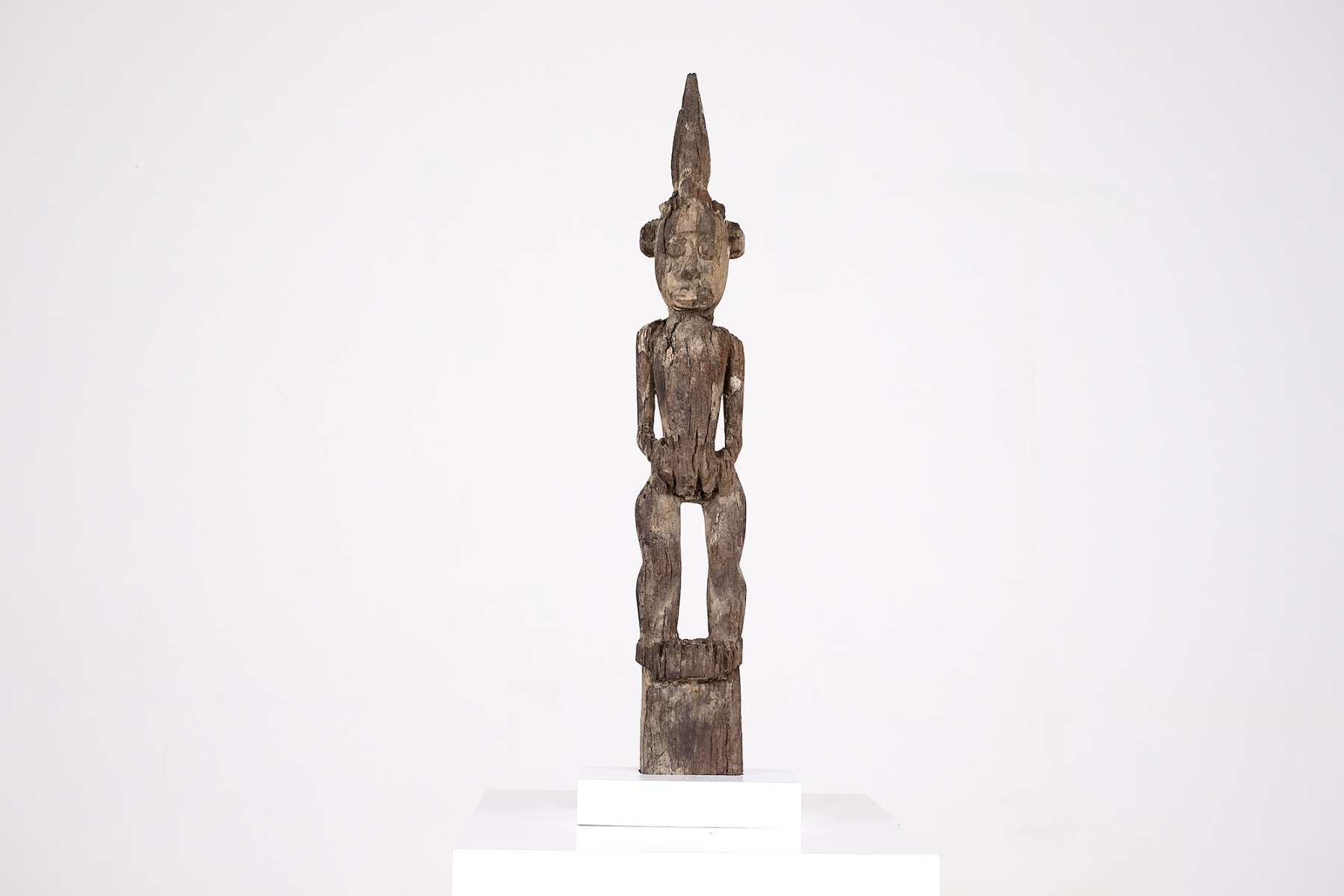
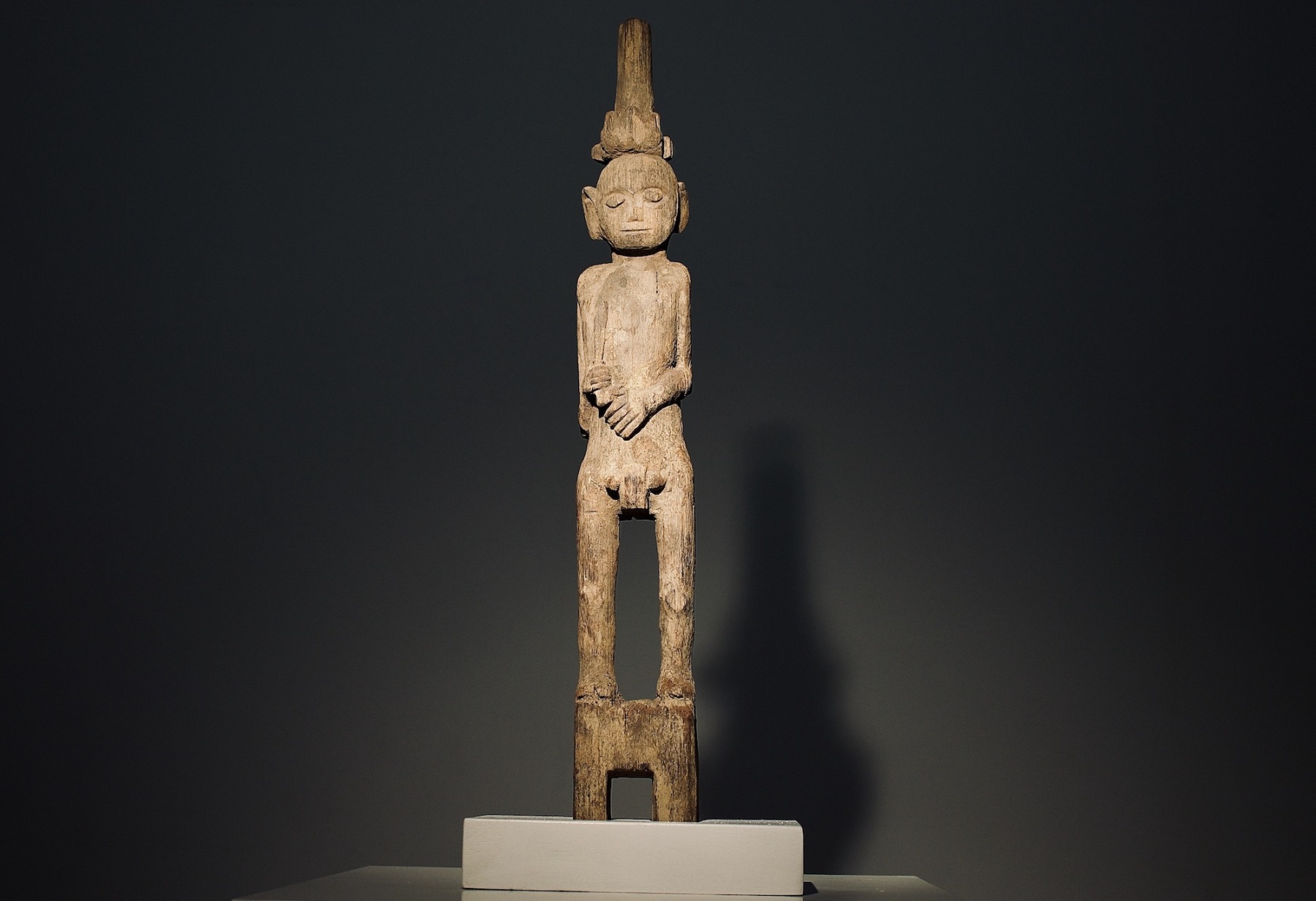

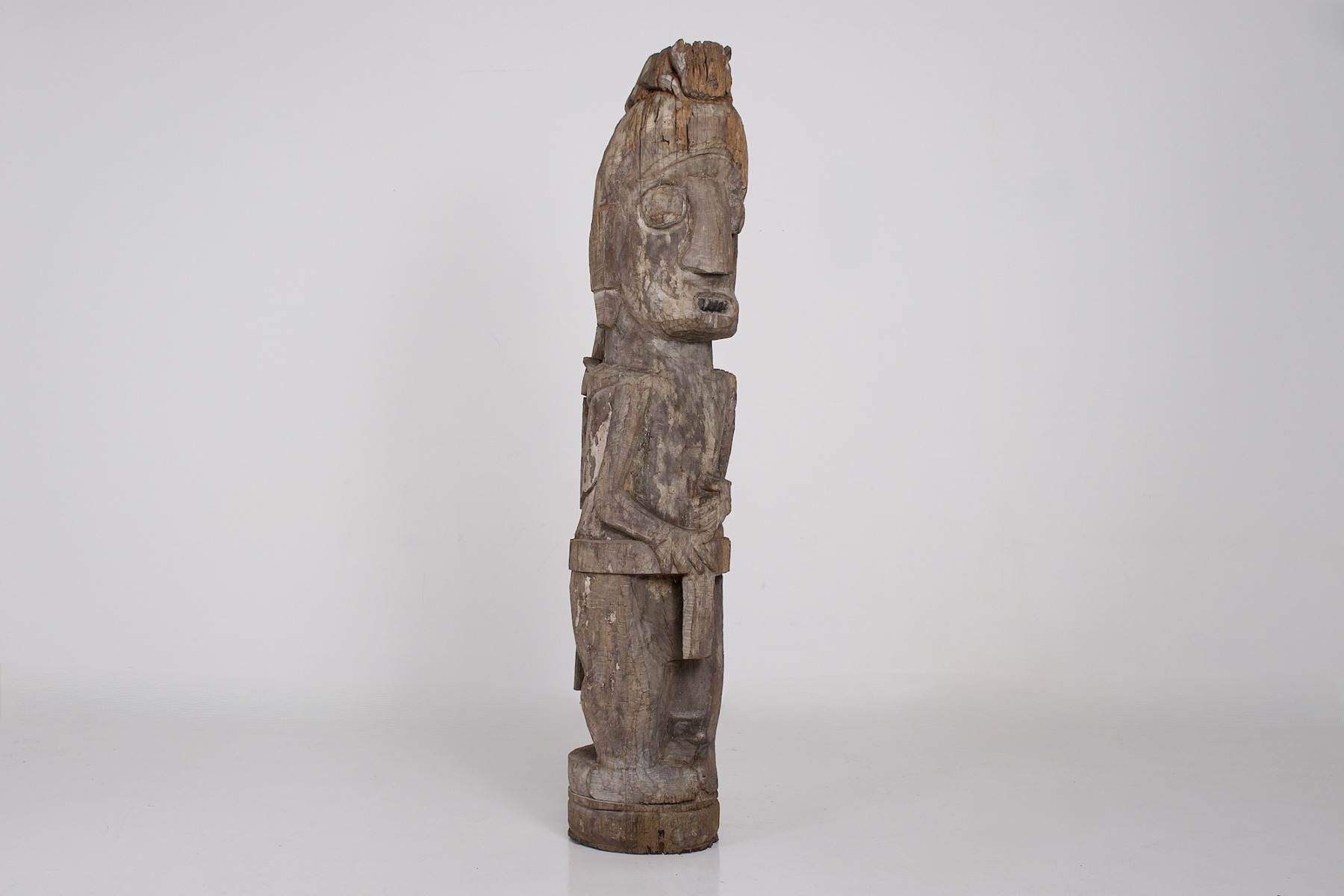

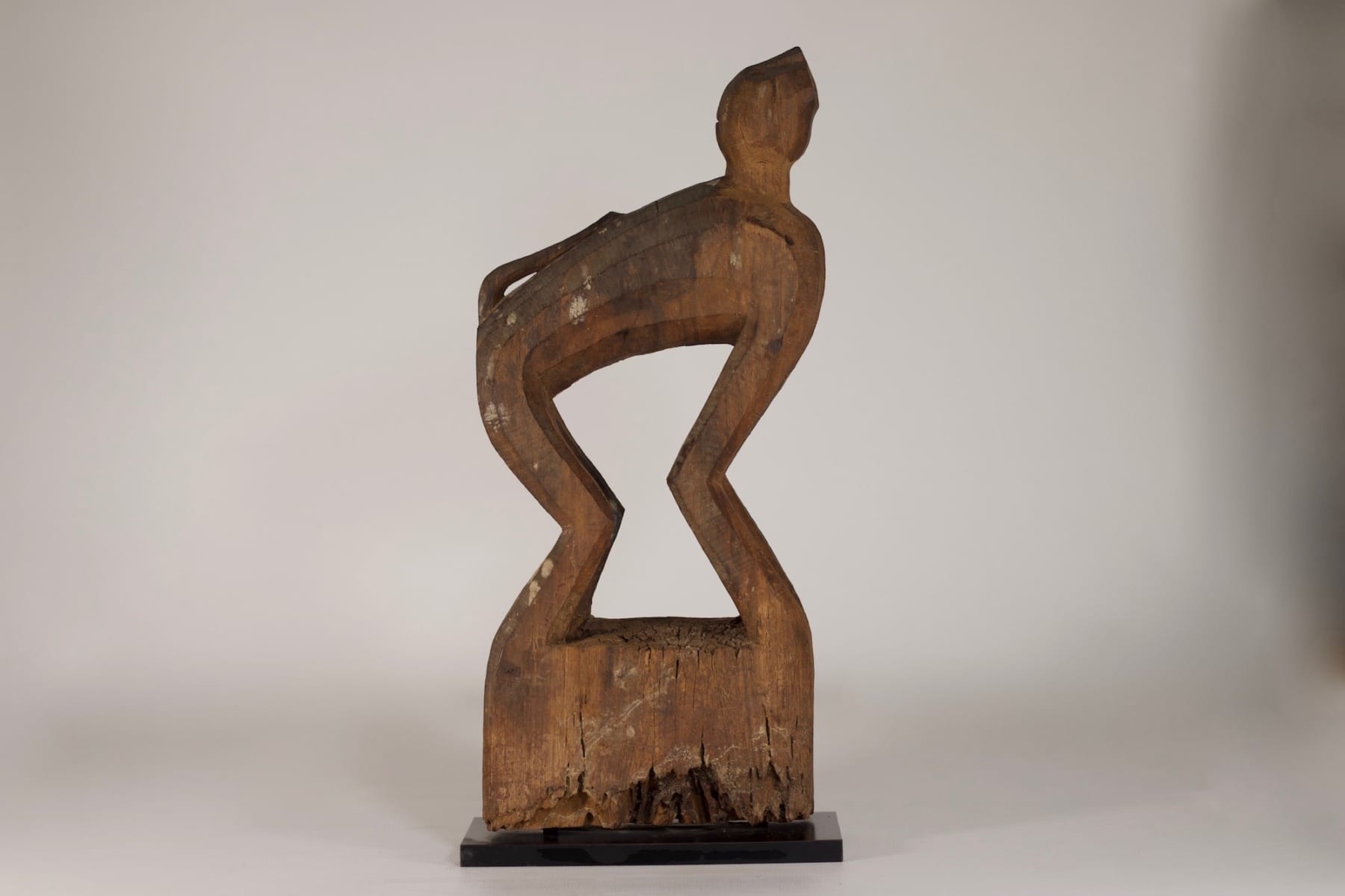
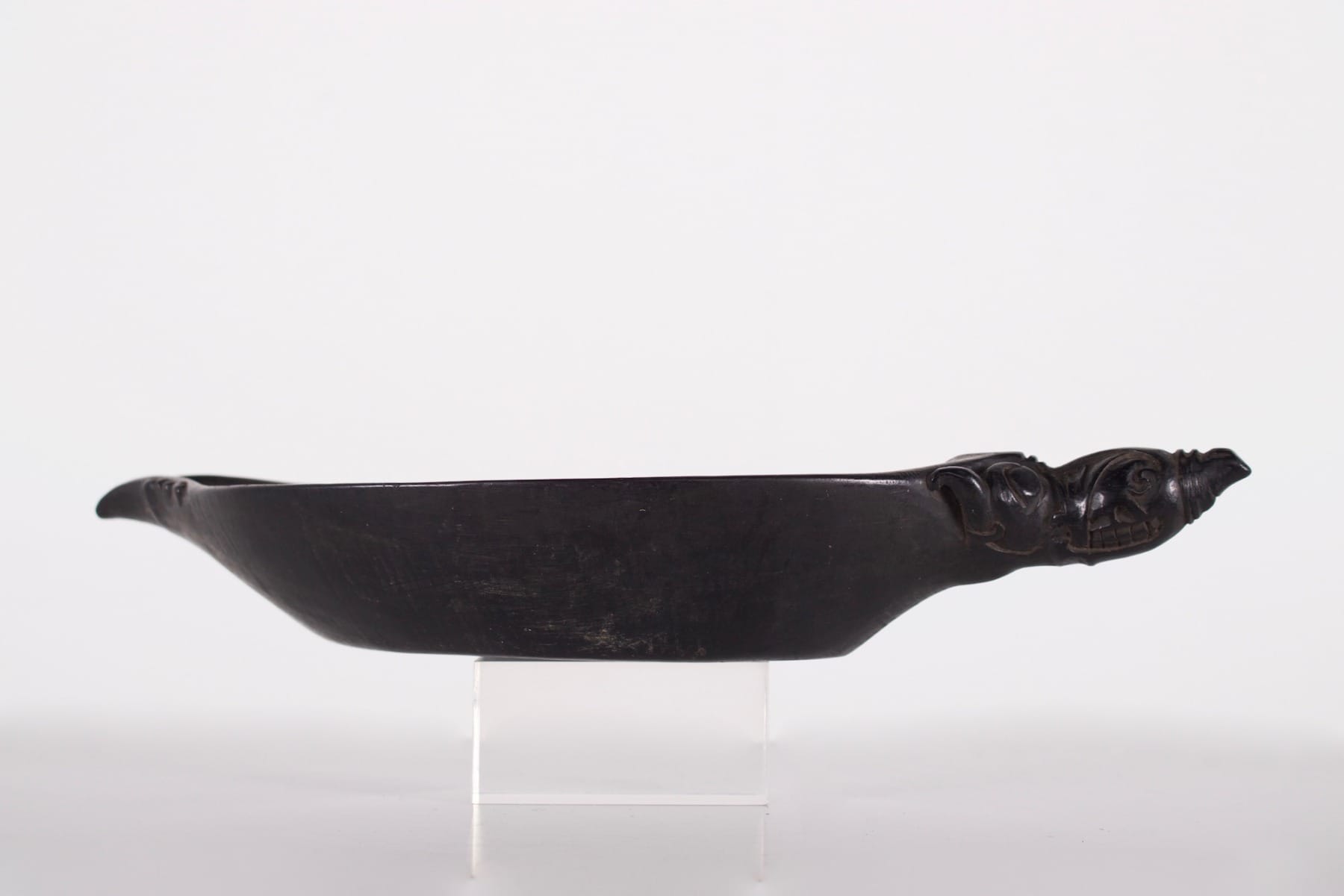
Dayak, tribal art and ancestral figures of Borneo
Dayak sculptures encompass a collection of ancestral figures, ritual sculptures, and tribal objects from the indigenous peoples of Borneo, primarily from the Kalimantan regions in Indonesia and Sarawak in Malaysia. Crafted from extremely dense woods like ironwood (ulin / ironwood), these works are distinguished by their powerful sculptural presence, expressive faces, and surfaces deeply marked by time.
Among the most emblematic works are the Hampatong, protective ancestral figures traditionally placed at village entrances, near longhouses or shrines. These ancient Dayak sculptures were associated with ancestor worship, spiritual protection and animist beliefs that remain deeply rooted in Borneo’s cultures.
Dayak art is characterized by frontal, direct forms, where hollowed eyes, abrupt volumes and stylized silhouettes convey a strong symbolic dimension. Some sculptures incorporate animal representations—snake, crocodile, hornbill or buffalo—linked to cosmology and the spirit world.
The main Dayak groups include the Iban, Kayan, Kenyah, Ngadju and Ot Danum. Despite their cultural differences, these peoples developed a significant sculptural heritage around protective figures, votive carvings and ceremonial objects. Before the end of the 19th century, some communities also practiced Ngayau, a headhunting ritual associated with warrior prestige and ancestral beliefs.
Today, ancient Dayak sculptures and Hampatong figures are sought after for their aesthetic power, ethnographic importance and the uniqueness of their natural patinas. Older examples often show characteristic erosion linked to Borneo’s tropical climate, as well as dark surfaces with grey, brown or reddish-brown tones.
This selection brings together Dayak ancestral figures, Hampatong sculptures, tribal works from Borneo and ancient ritual objects, mainly from the Ngadju, Kayan, Kenyah and Iban cultures.