



Willy Van Der Meeren
After a brief period at the Academy of Brussels, whose teaching he quickly rejected as incompatible with his modernist ideas, he continued his education at La Cambre from 1944 onwards
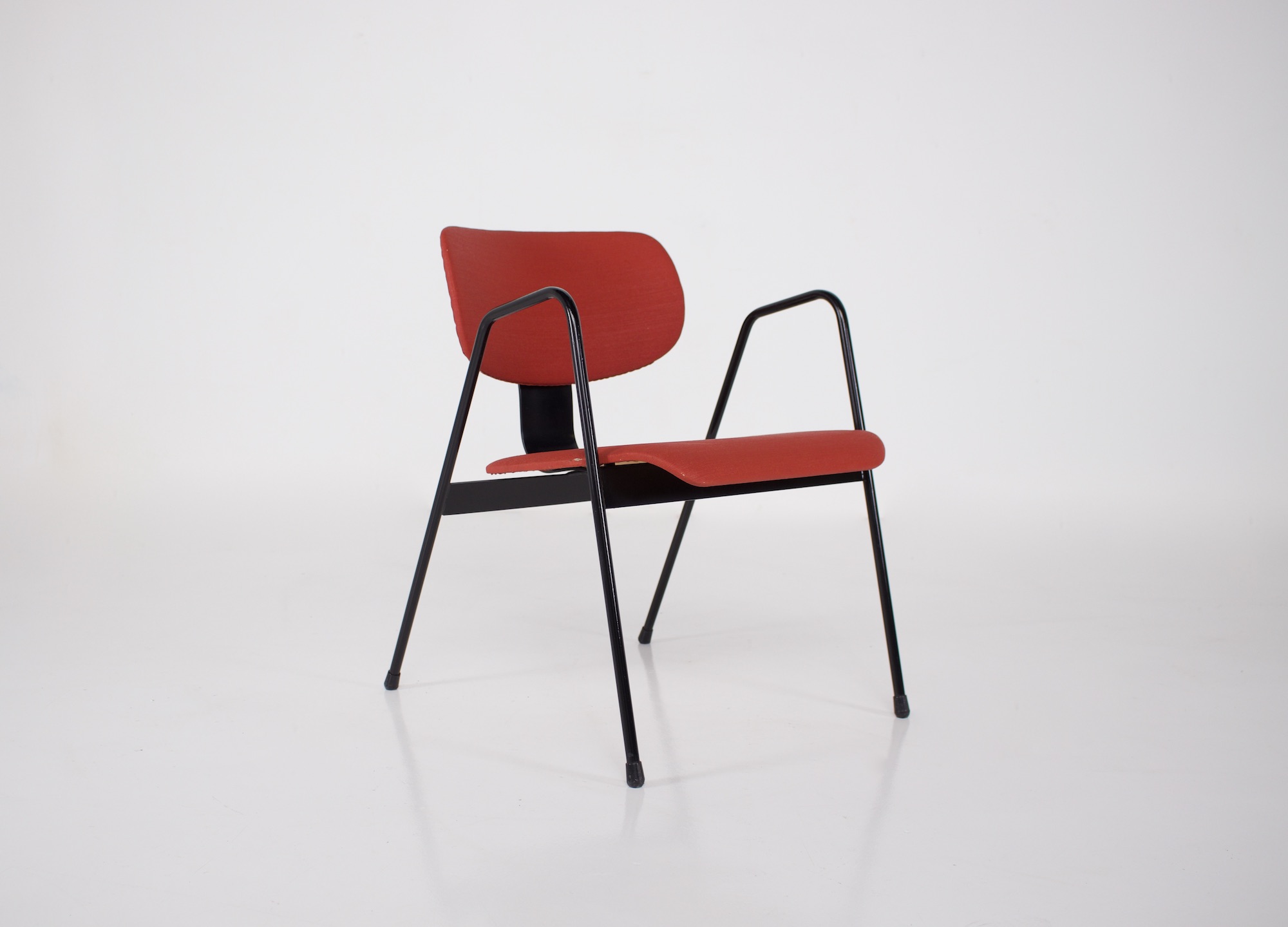

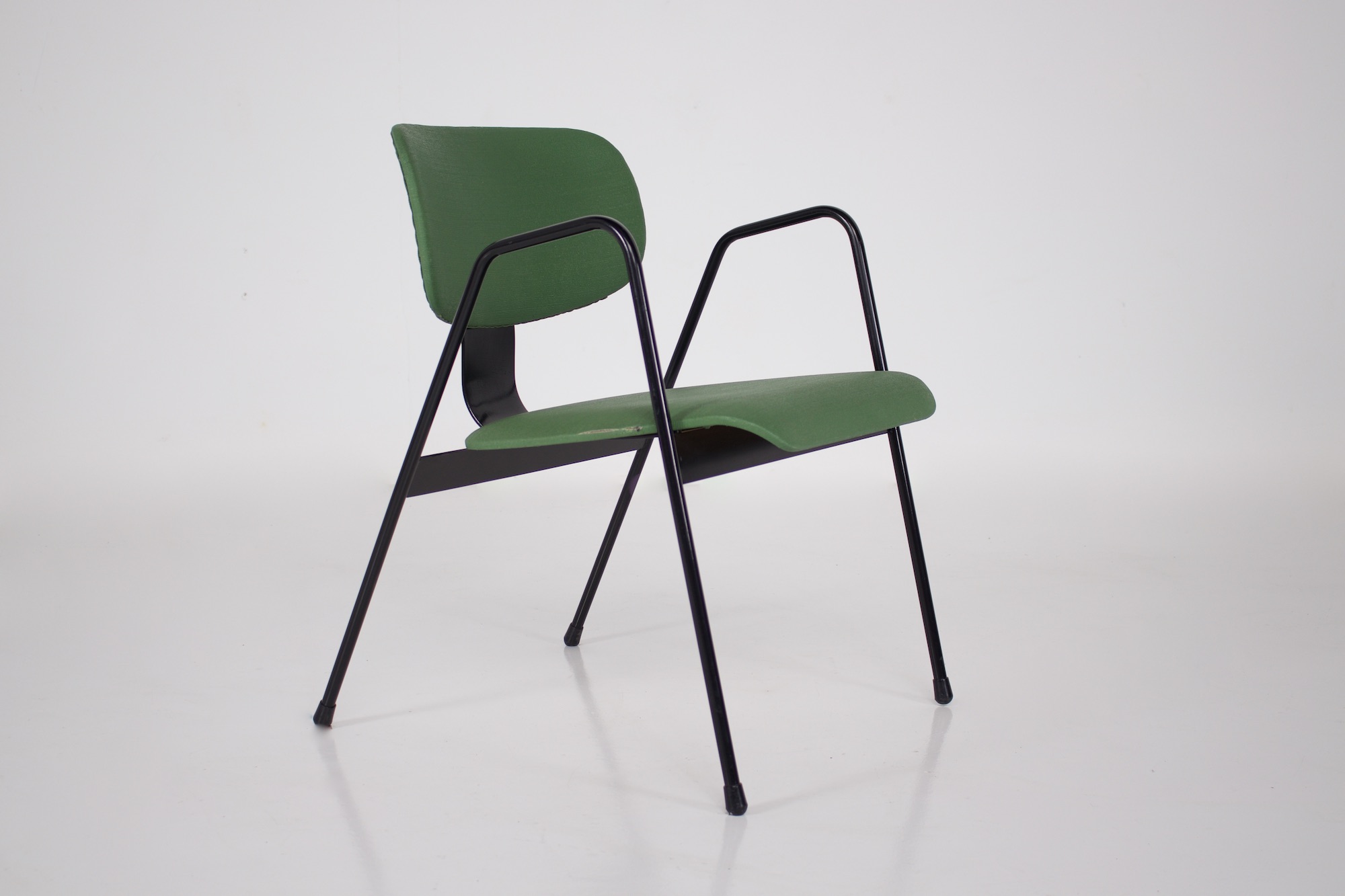
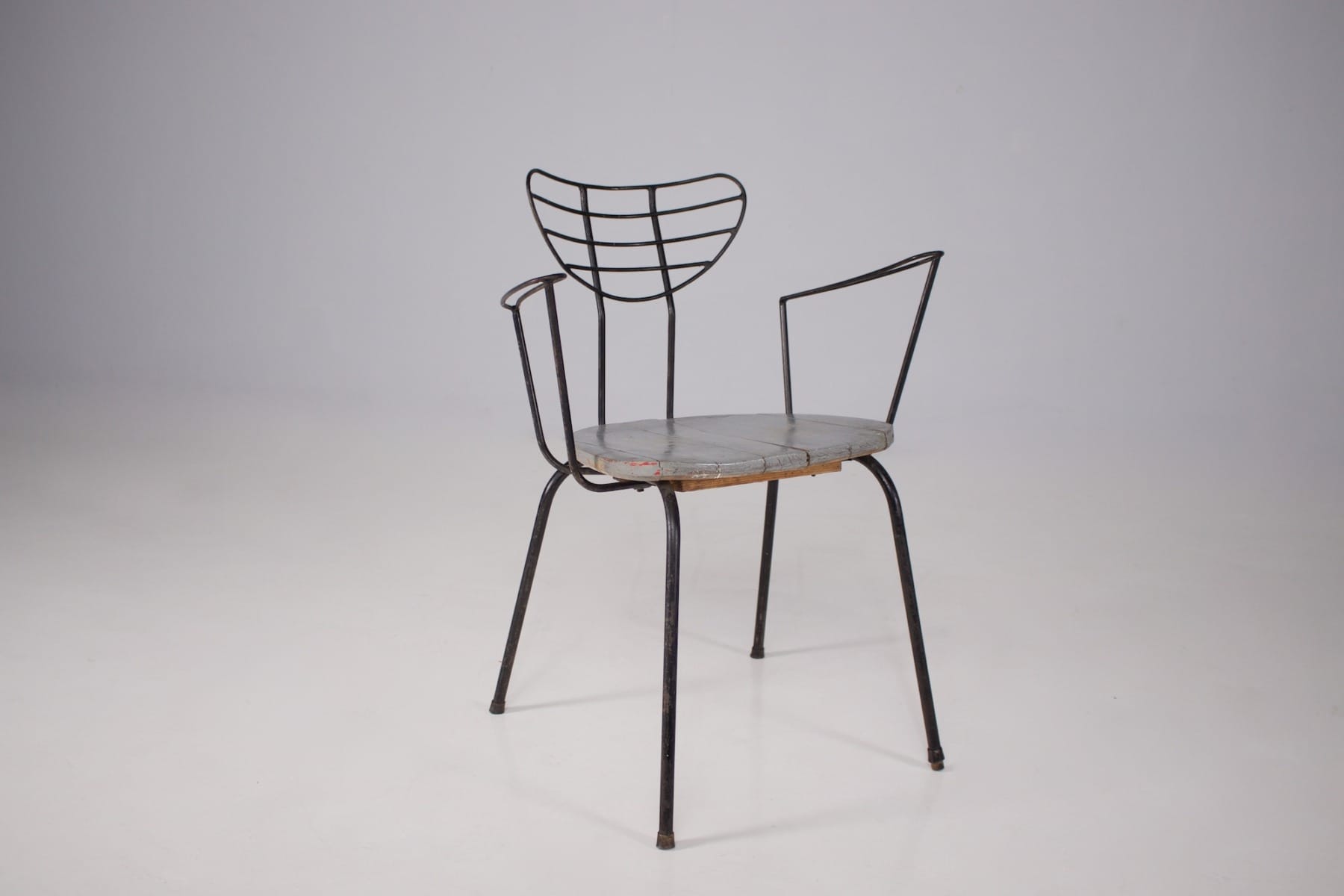

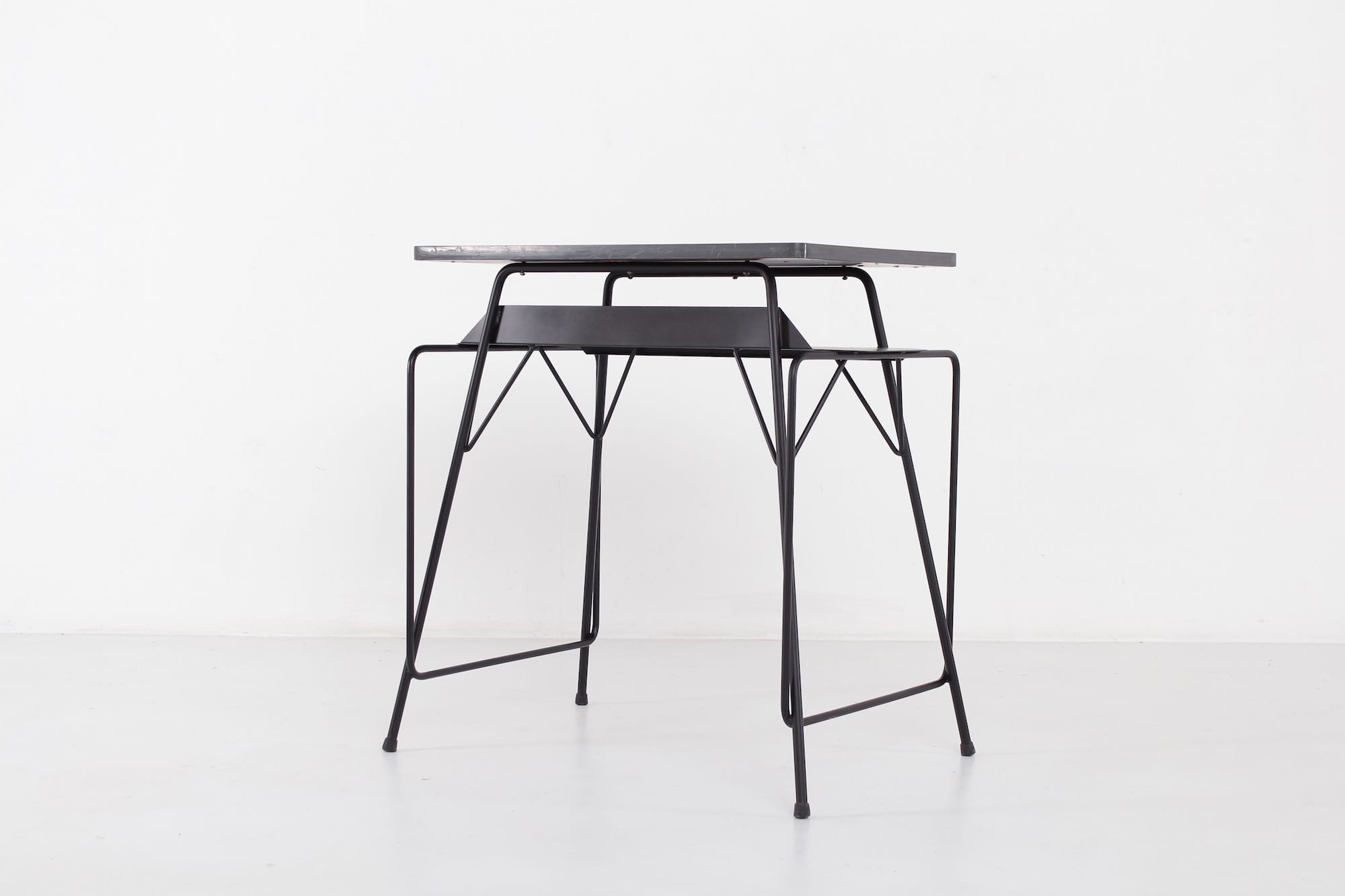
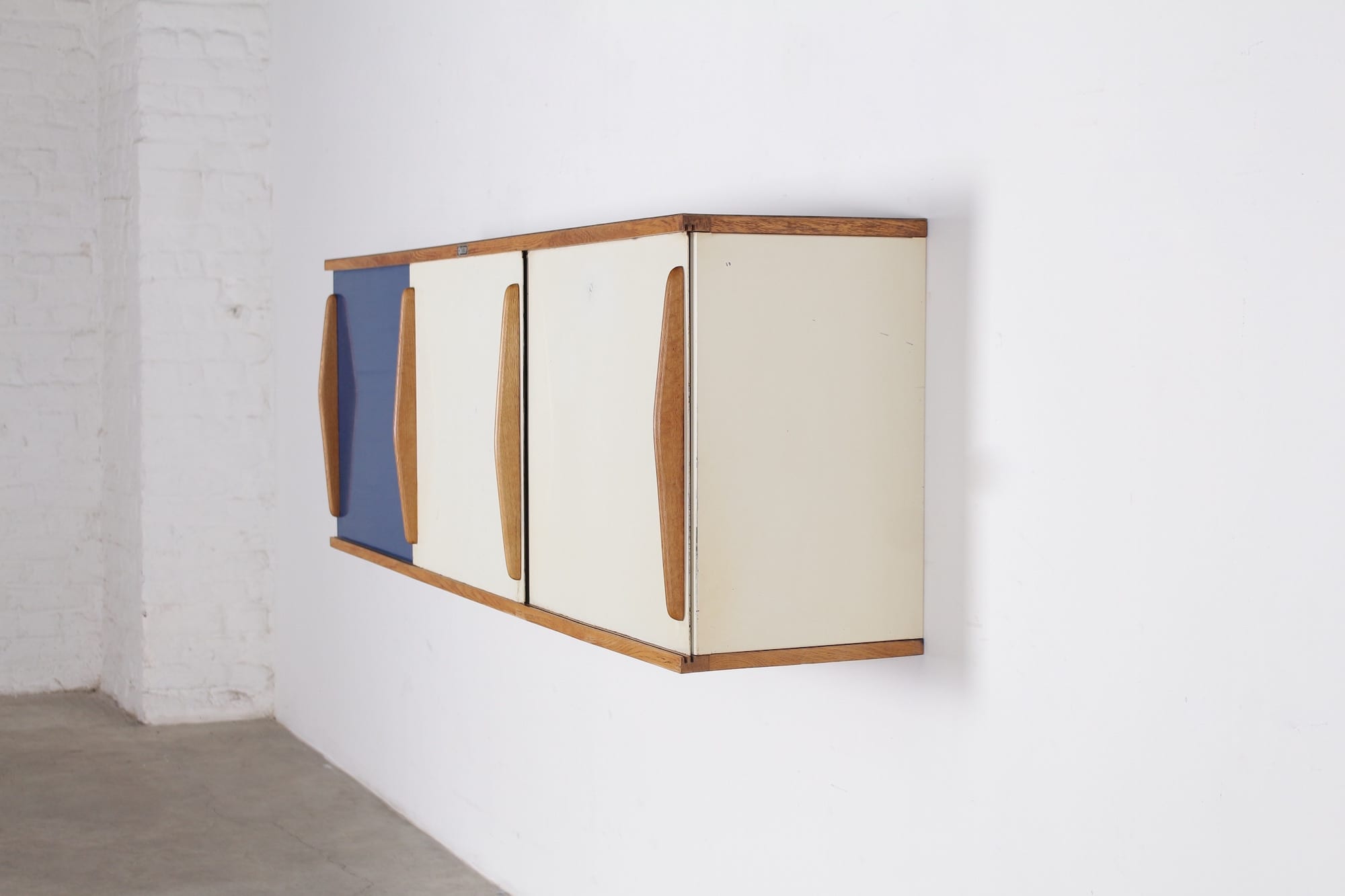


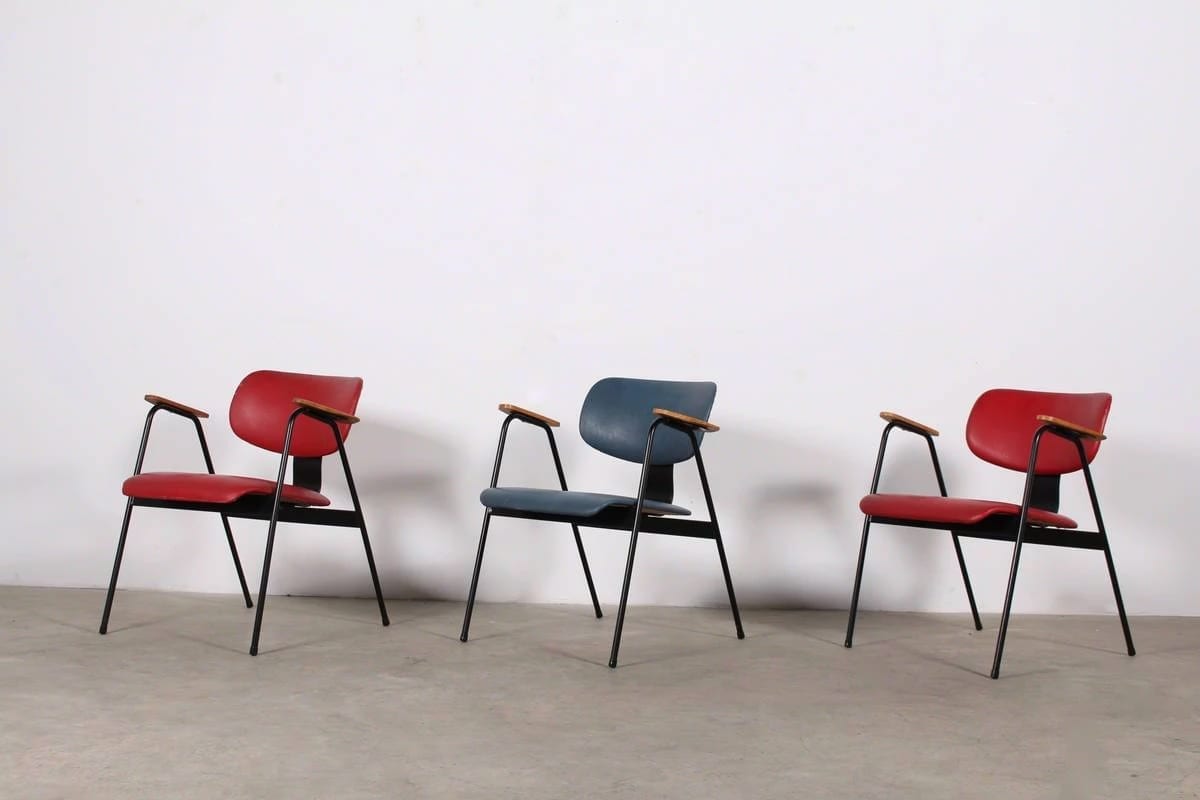
Willy Van Der Meeren (1923–2002) is a major figure in post-war Belgian design and architecture, whose work reflects a social, functional and distinctly modernist approach.
Willy Van Der Meeren, design in the service of society
Born on 7 August 1923 in Lebbeke, Belgium, Willy Van Der Meeren initially studied medicine at the Catholic University of Leuven before turning to architecture. After a brief period at the Academy of Brussels, whose teaching he quickly rejected as incompatible with his modernist ideas, he continued his education at La Cambre from 1944 onwards. There, he evolved in an environment strongly influenced by the major movements of European modernism.
His work emerged during the post-war reconstruction period, when housing and accessibility became central concerns. Influenced by the principles of La Cambre, he developed the belief that architecture and design should respond to the needs of the greatest number rather than serve an elite. This vision positioned him among the leading figures of post-war Belgian design, alongside designers such as Alfred Hendrickx and Jules Wabbes.
His collaboration with Tubax, a company specialising in functional furniture, marked a turning point in his career. From the early 1950s onwards, he designed a series of furniture pieces characterised by an economy of means, structural clarity and a production process adapted for large-scale distribution. The F1 armchair remains one of the most emblematic examples of this approach.
In these designs, the structure is deliberately left visible. Tubular steel, standardised components and simple assembly methods reflect a rational approach to design directly linked to the economic and industrial constraints of the period. Stripped of any unnecessary ornamentation, this aesthetic gives his creations a formal strength that fully aligns with the international modernist movement.
Alongside his work as a designer, Willy Van Der Meeren developed several architectural projects related to social housing. Among the most notable is the CECA House, designed with architect Léon Palm for the European Coal and Steel Community. The project proposed a prefabricated, affordable and rapidly constructed house adapted to the needs of workers in heavy industry.
Following the same philosophy, he designed the social housing complex “Chacun sa maison / Ieder zijn Huis” in Evere, comprising more than one hundred housing units. The project illustrates his interest in new forms of collective housing, integrating innovative technical solutions and spatial organisation designed around everyday life.
Today, Willy Van Der Meeren’s work is recognised as one of the most coherent contributions to twentieth-century Belgian design. His furniture, originally conceived for accessible mass production, is now highly sought after for its formal rigour, constructive intelligence and place within the social history of design.
Bibliography:
– Mil De Kooning, Willy Van Der Meeren. Furniture Design, 2007.
– Mil De Kooning, research on Tubax and post-war Belgian design, Ghent University.
– Archives and collections of the Design Museum Gent.