



Pieter de Bruyne Furniture
From 1953, he participated in an exhibition in Ghent, and in 1955, he received first prize in the national interior architecture competition. For two consecutive years, in 1956 and 1957, he also distinguished himself at the São Paulo Biennial.
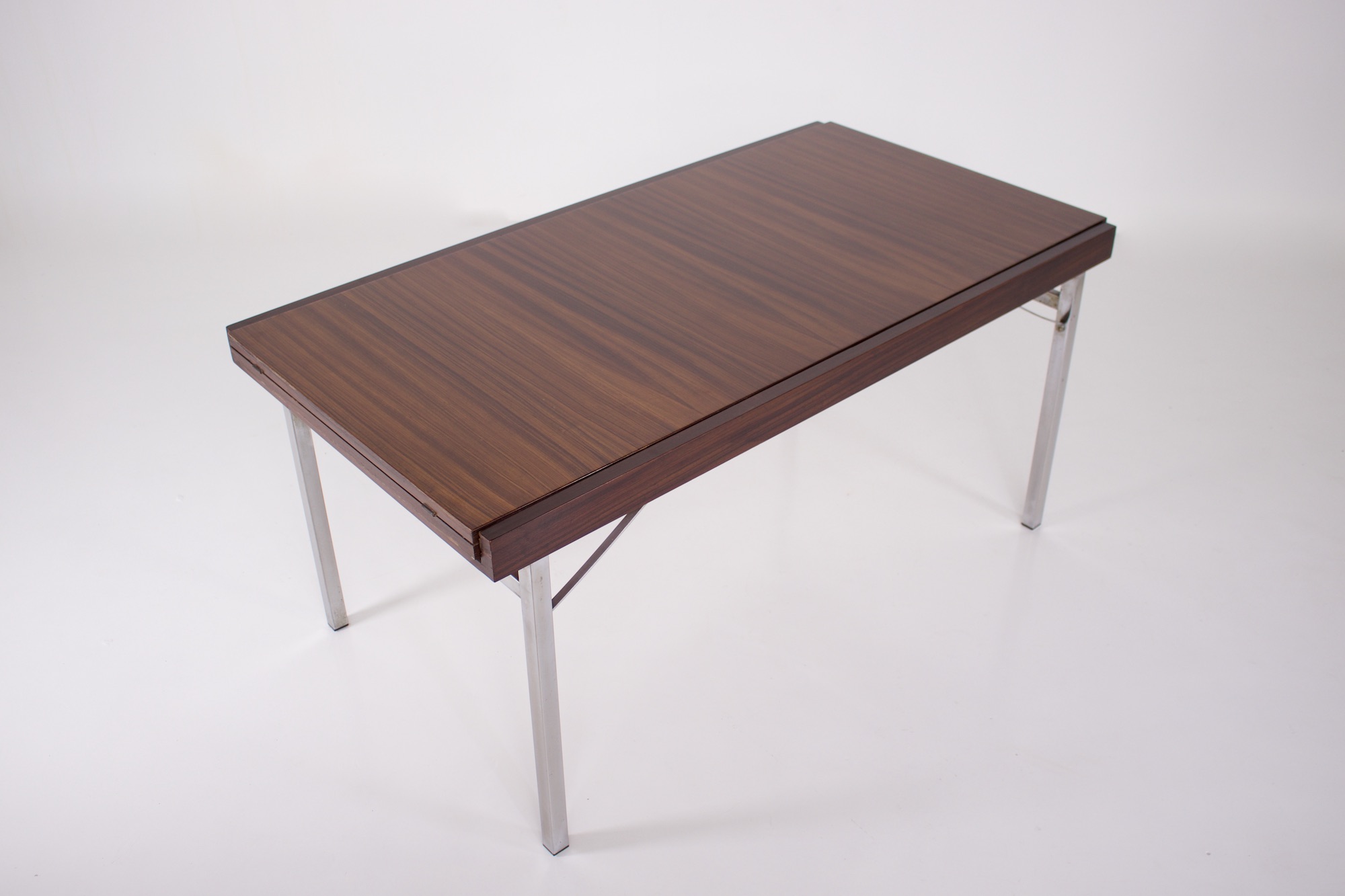
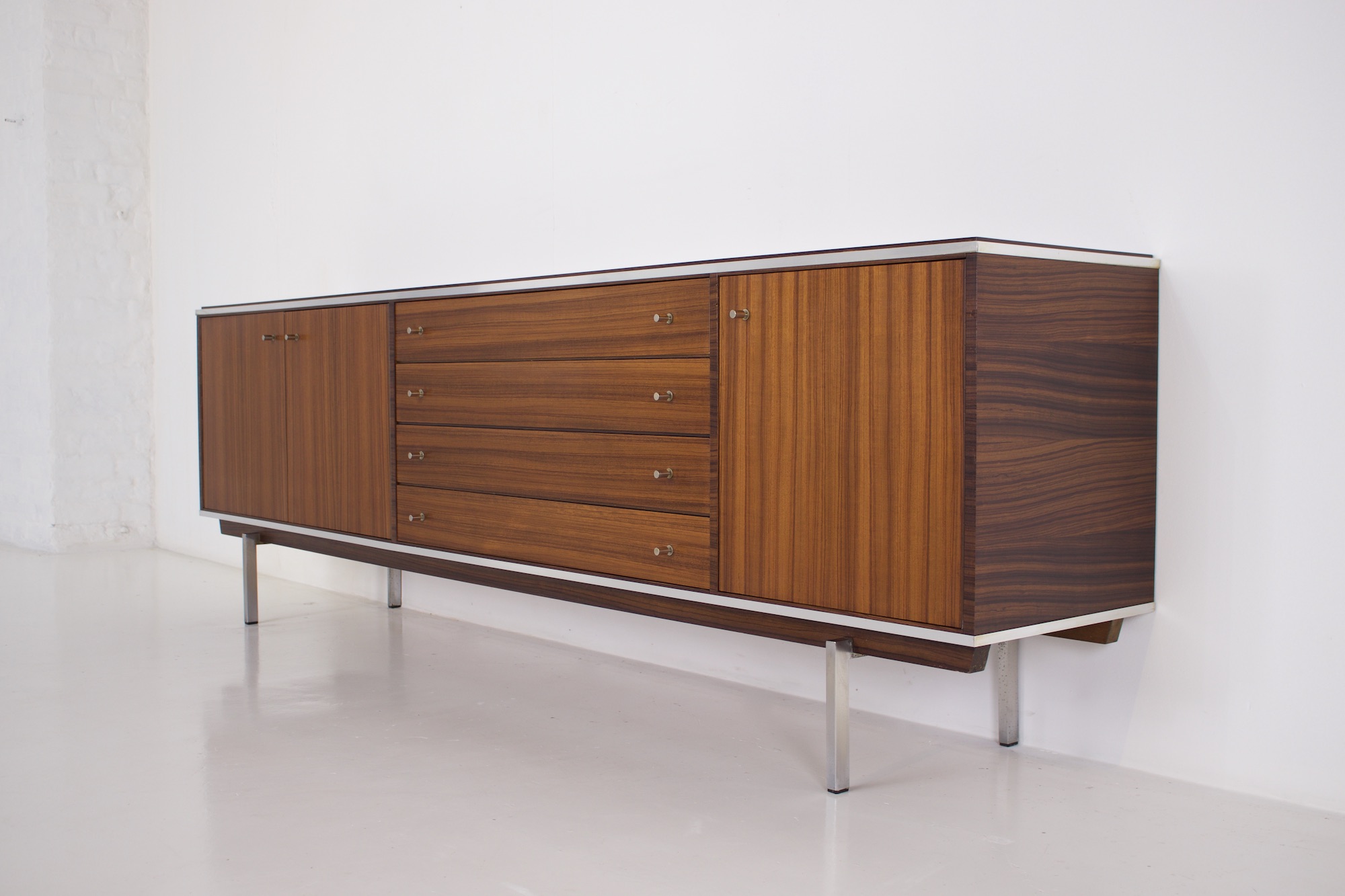
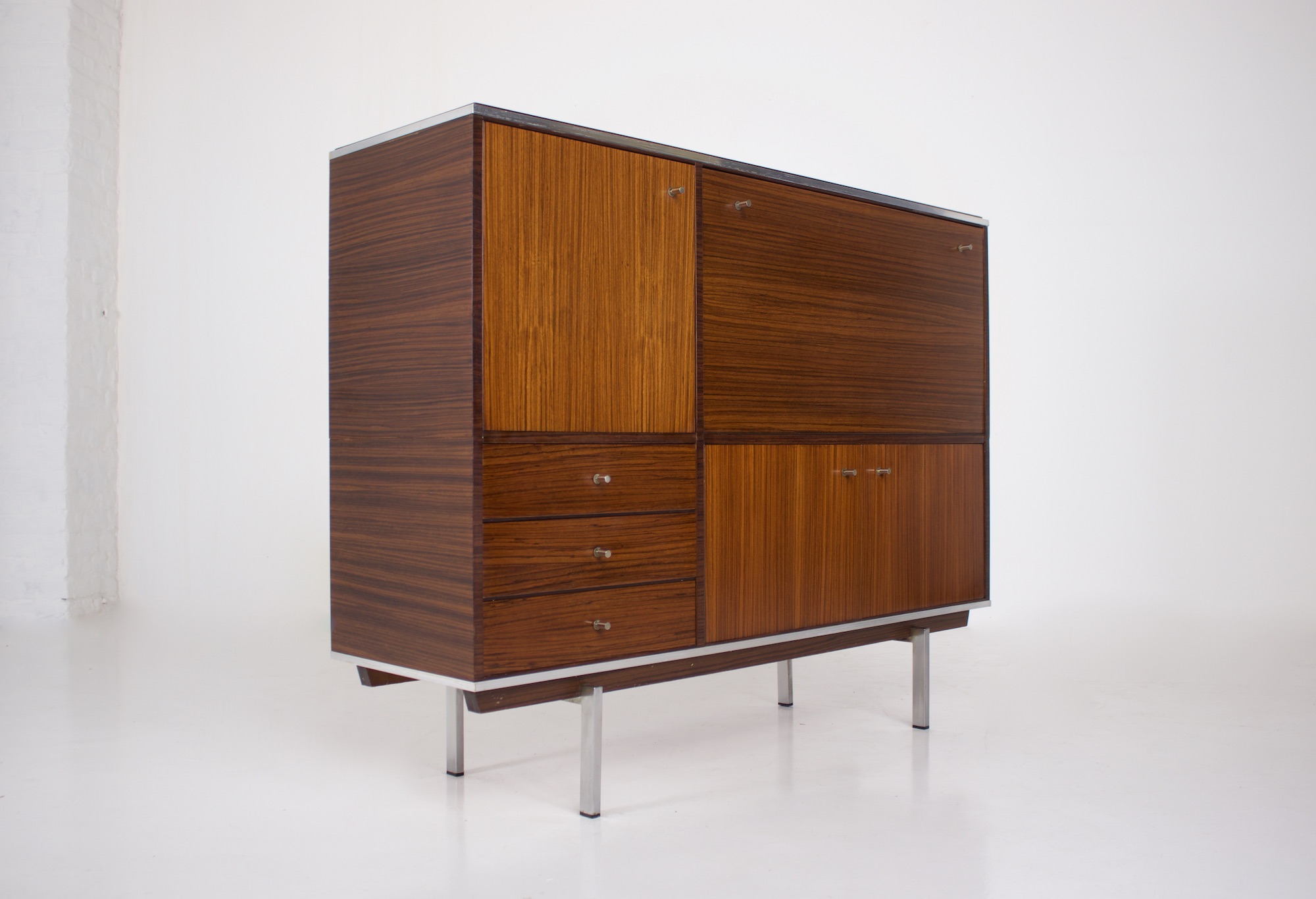
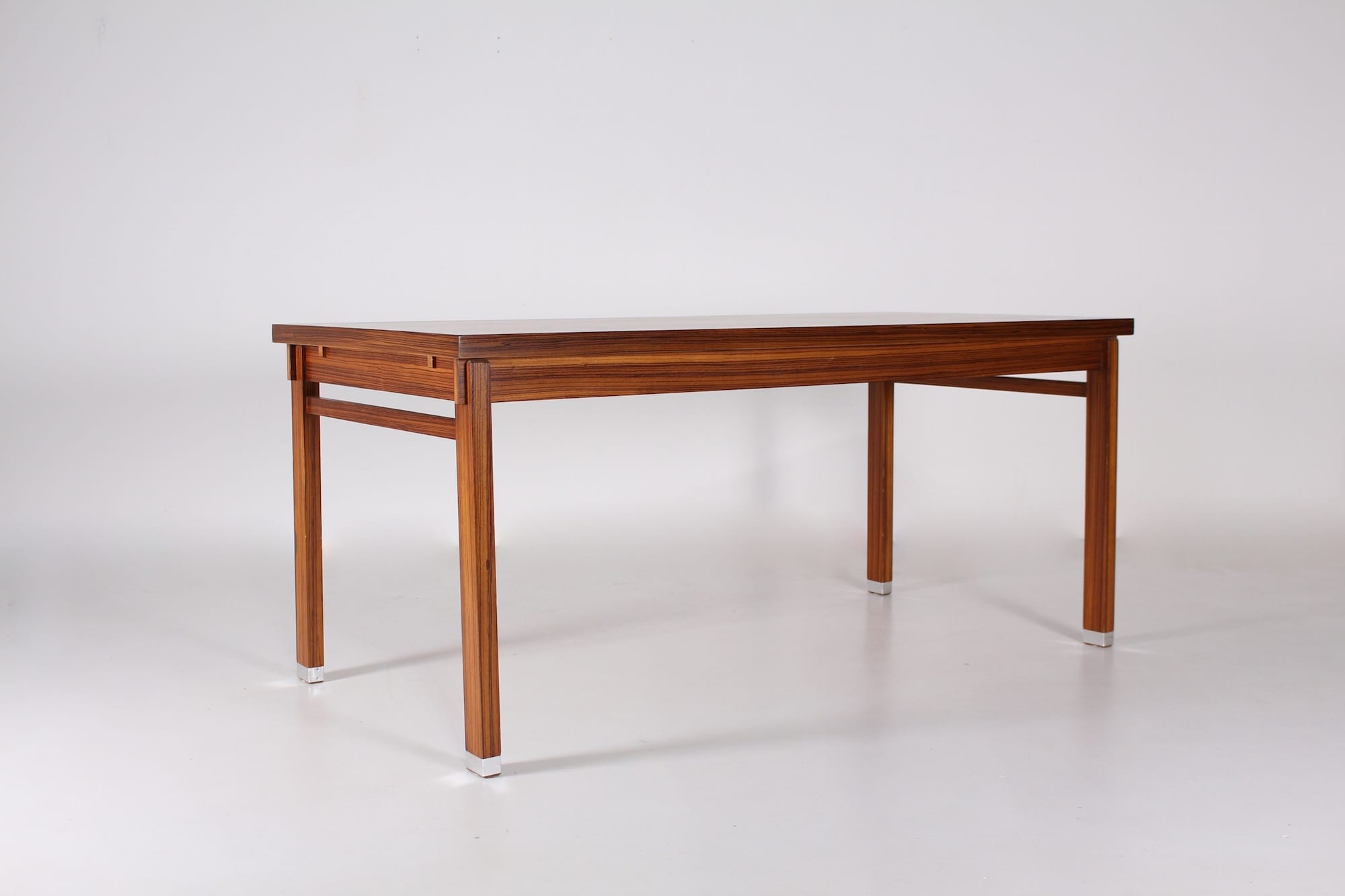
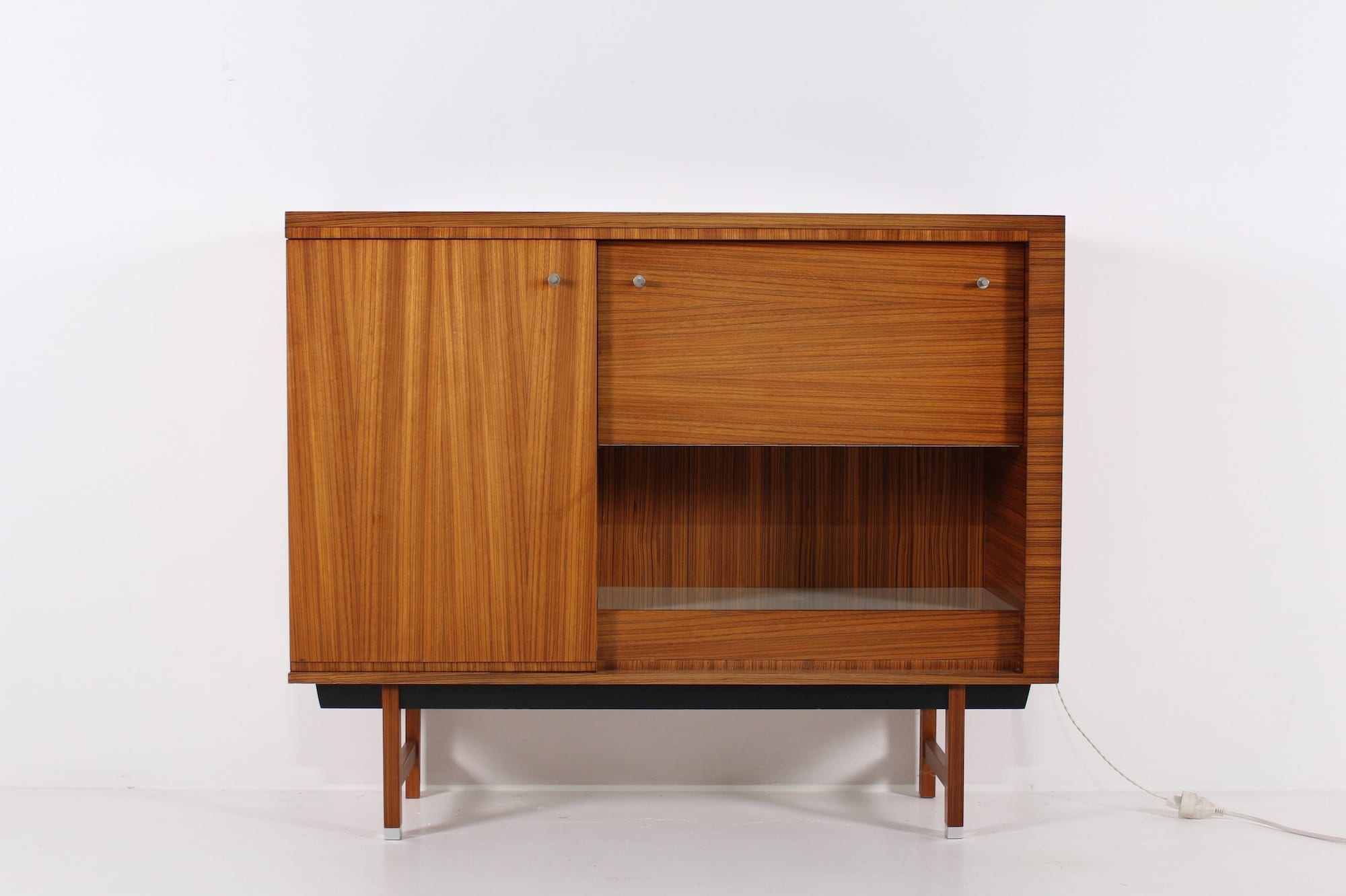
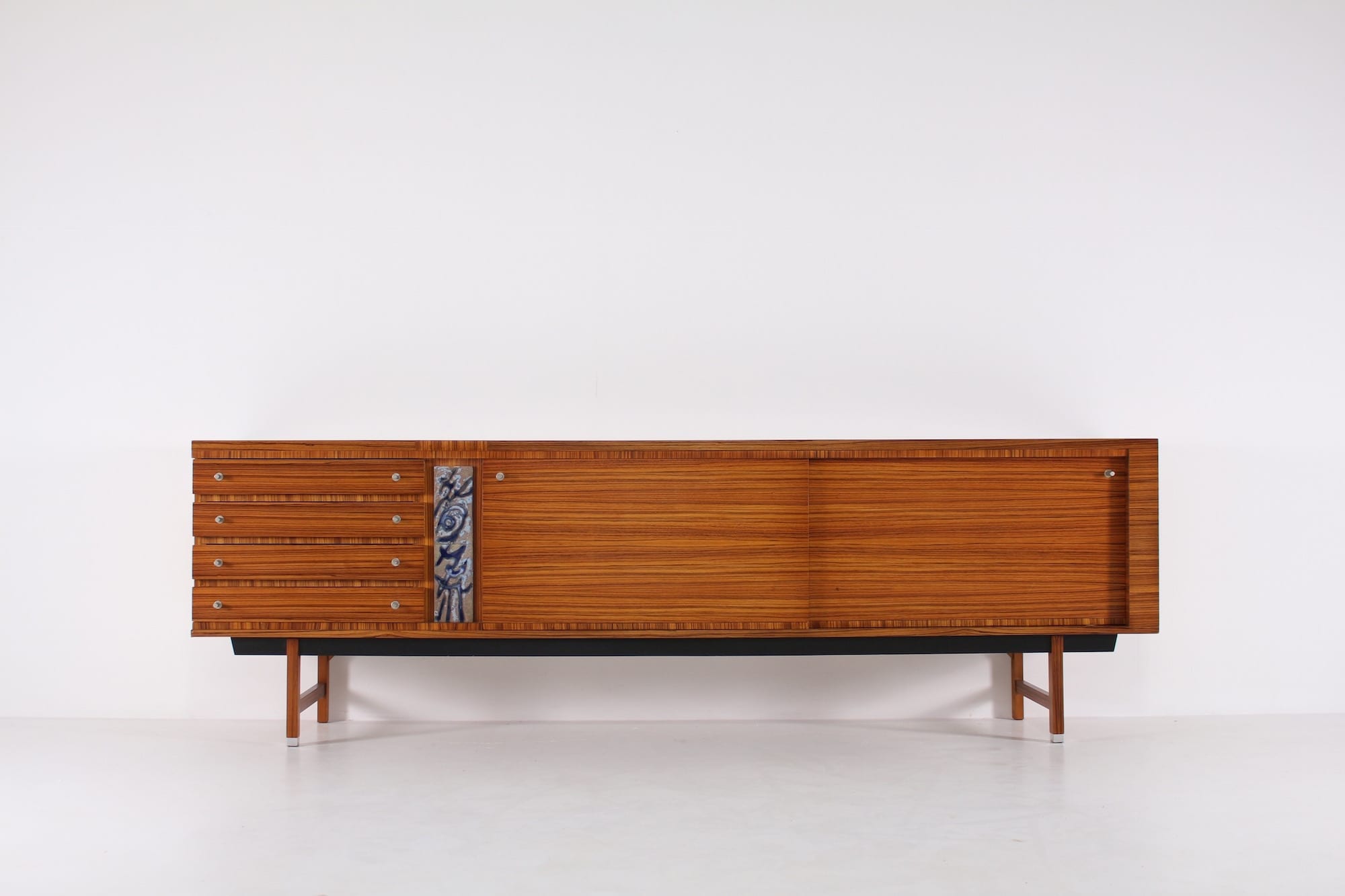
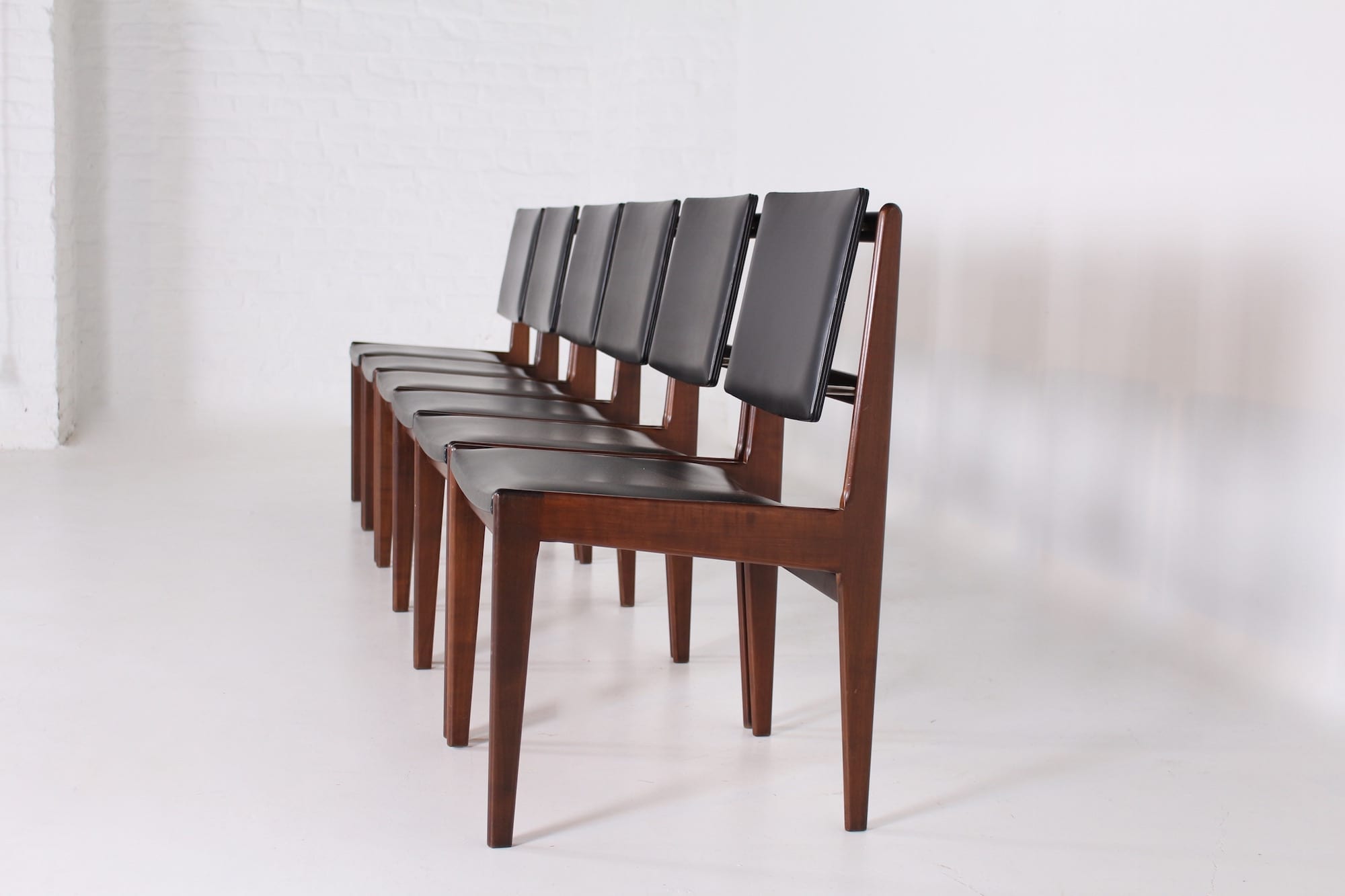

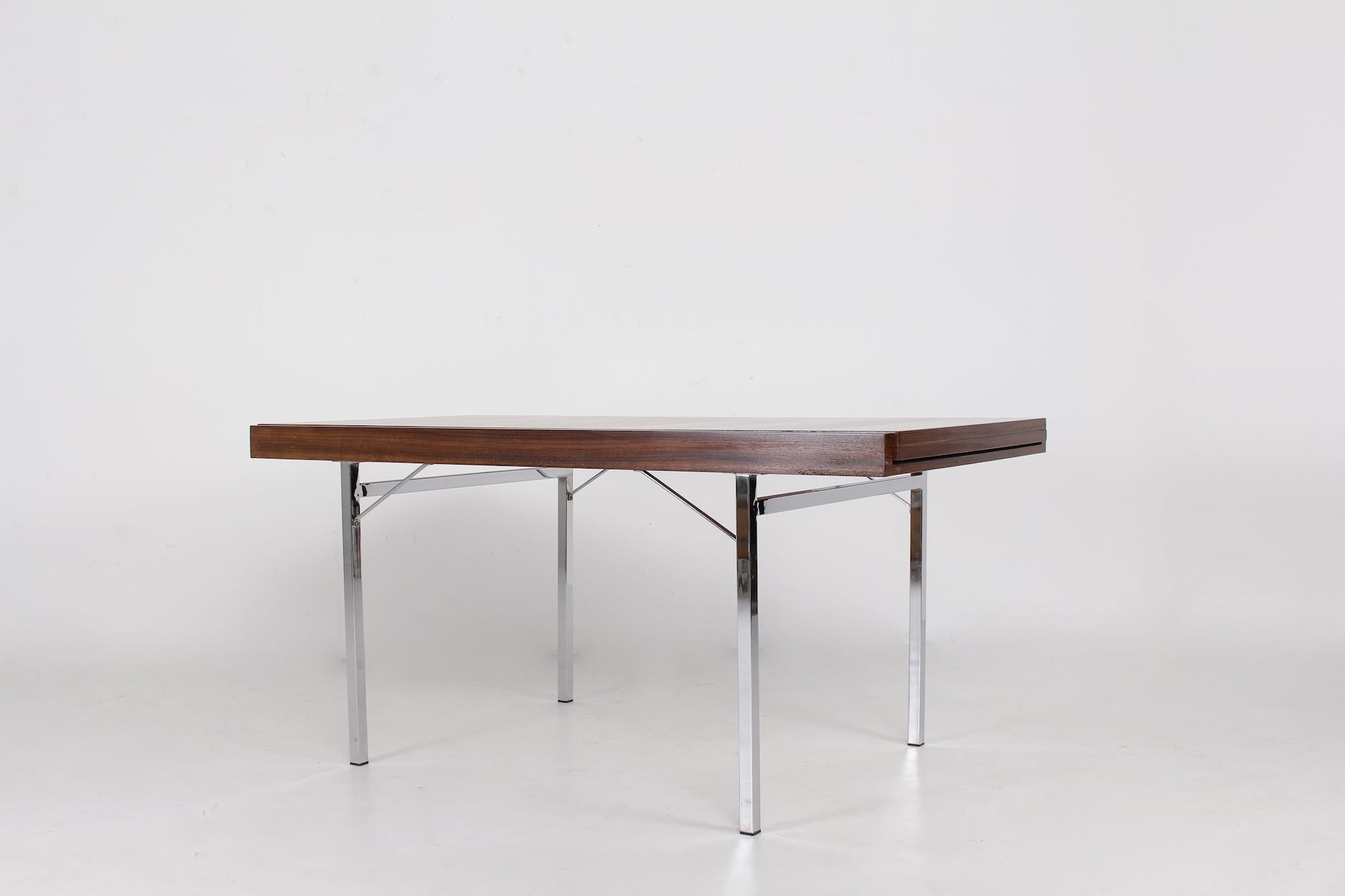
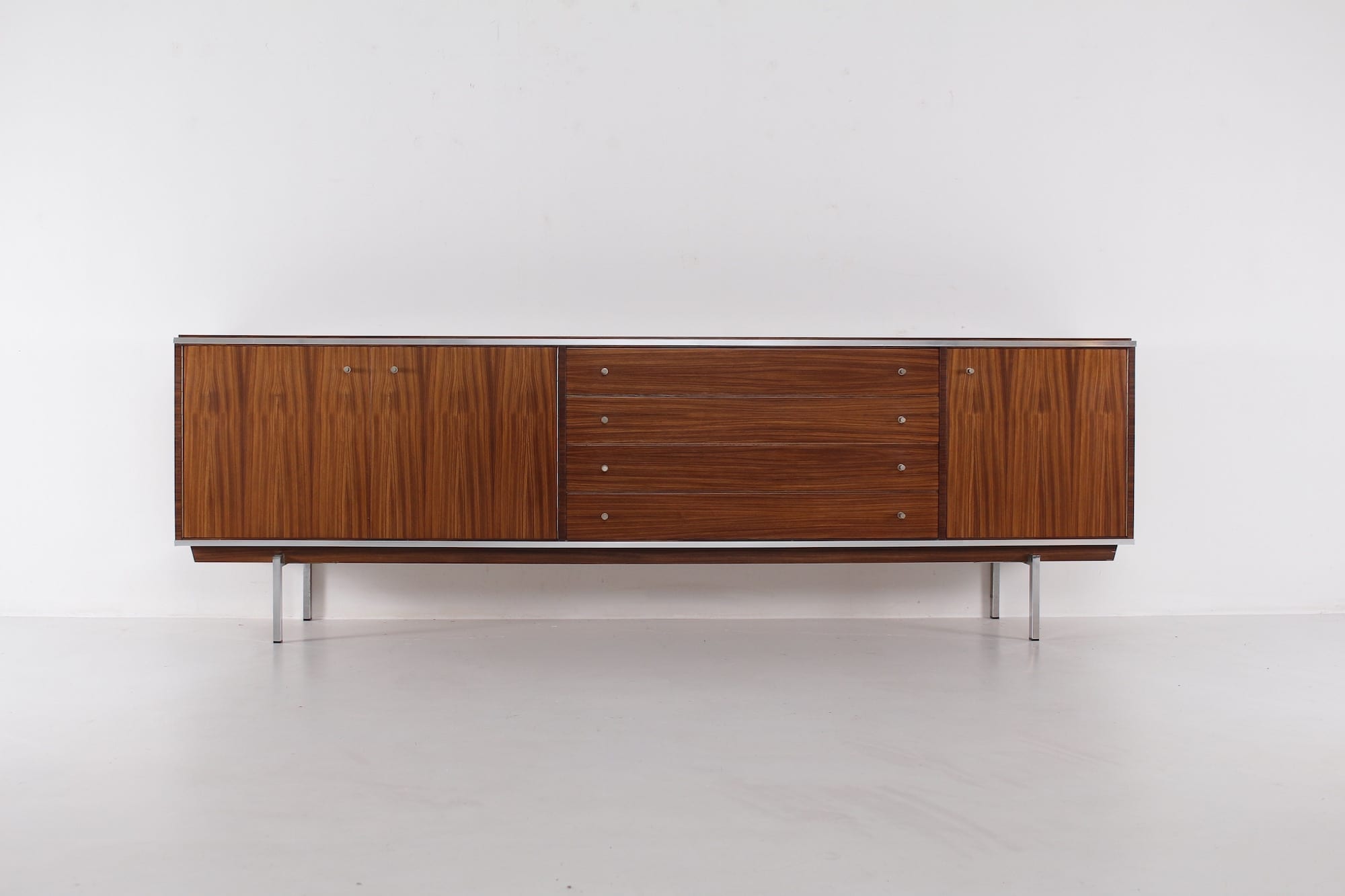

Pieter De Bruyne’s furniture reflects a unique approach to 20th-century Belgian design, particularly during the 1950s and 1960s, blending modernist rigor with a keen sense of materials. An architect and designer, he developed furniture with clean, structured lines, often crafted from precious woods and characterized by high-quality execution.
Pieter De Bruyne, Belgian design of the 1950s–1960s
In April 1961, Xavier Franc published an article dedicated to the designer in the magazine Meubles et Décors, highlighting his role in the renewal of Belgian furniture.
Pieter De Bruyne’s furniture reflects a unique approach to 20th-century Belgian design, blending modernist rigor with a keen sense of materials. An architect and designer, he developed furniture with clean, structured lines, often crafted from precious woods and characterized by high-quality execution.
Article by Xavier Franc, Meubles et Décors, 1961
Excerpt from the article published in 1961:

At the forefront of a revival in Belgian furniture – Pieter De Bruyne.
An eminently favorable circumstance: the young interior architect Pieter De Bruyne is Belgian, his country being renowned for bespoke, high-quality furniture, both in the past and today.
Born in 1931, Pieter De Bruyne studied at the Saint-Luc Institute in Ghent. Graduating in 1955, he immediately entered professional life.
Even during his studies, he showed great talent and originality. As early as 1953, he took part in an exhibition in Ghent and, in 1955, he won first prize in the national interior architecture competition.
Later, international competitions brought him recognition. In 1956 and 1957, he took part in the Milan Triennale. In 1957, he won the gold medal at the Brussels Furniture Fair.
Two years in a row, in 1956 and 1957, he also distinguished himself at the São Paulo Biennial. Under the direction of architects G. P. Wauters and H. Van Kuyck, he collaborated on interior decoration and the design of exhibition stands. From then on, he worked independently.
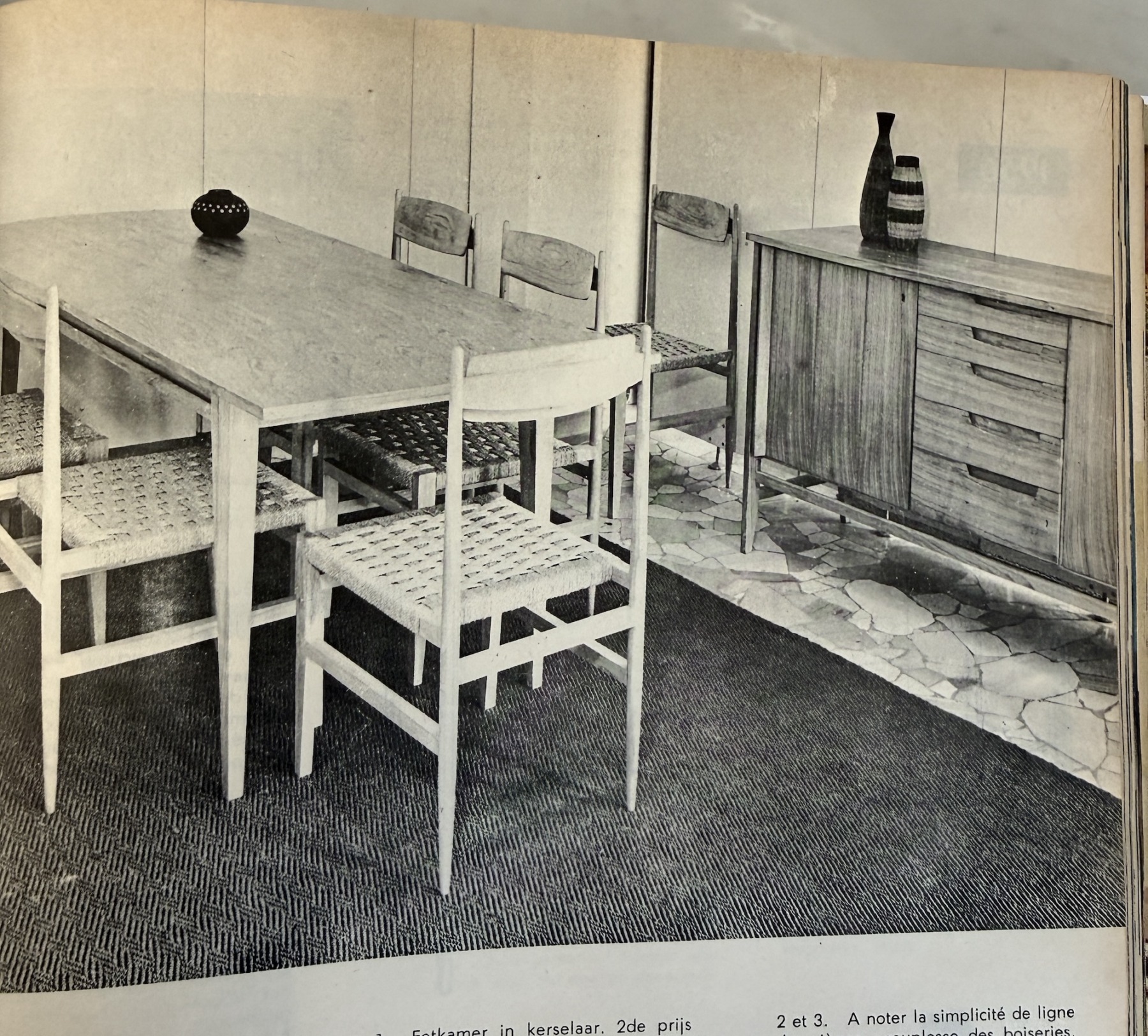
Chairs, table and sideboard by Pieter de Bruyne, 1956. From 1957, the Belgian designer participated in the European competition in Athens. His project won first prize. He designed a model apartment with furniture that could be equally combined and transformed according to needs. From that date, sixteen nations were in contention. Two years later, he participated in another competition bringing together thirty-two nations.
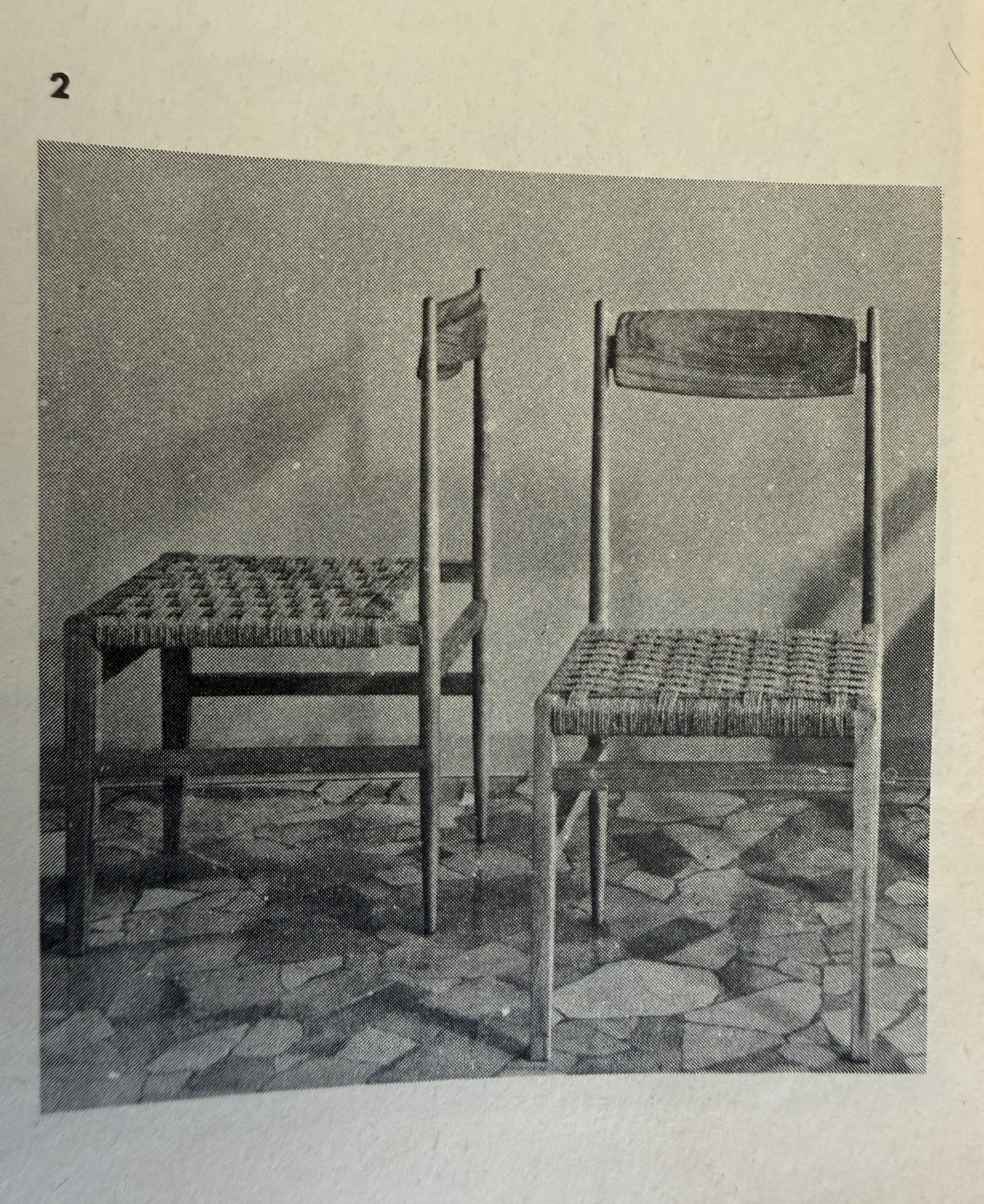
Pair of E.P.M chairs, Cantù, Italy. Unfortunately, it cannot be said that Belgian industry attempted to awaken artistic sensibility in the field of furniture. But Pieter De Bruyne did not wait for an opportunity to be given to him.
In such a climate, it is not easy to react. Pursuing the goal he set himself requires rare willpower and tenacity.
These three essential aspects, Pieter De Bruyne never ceases to bring together.
No doubt, it is important to create something new. But not at any price.
Pieter De Bruyne is logical and methodical. He seeks the simplest, most direct solution.
The object must meet a specific need. As Fernand Léger said: “The object has a vocation, which is to serve.”