Maravijaya
Maravijaya and Bhumisparsha Mudra:
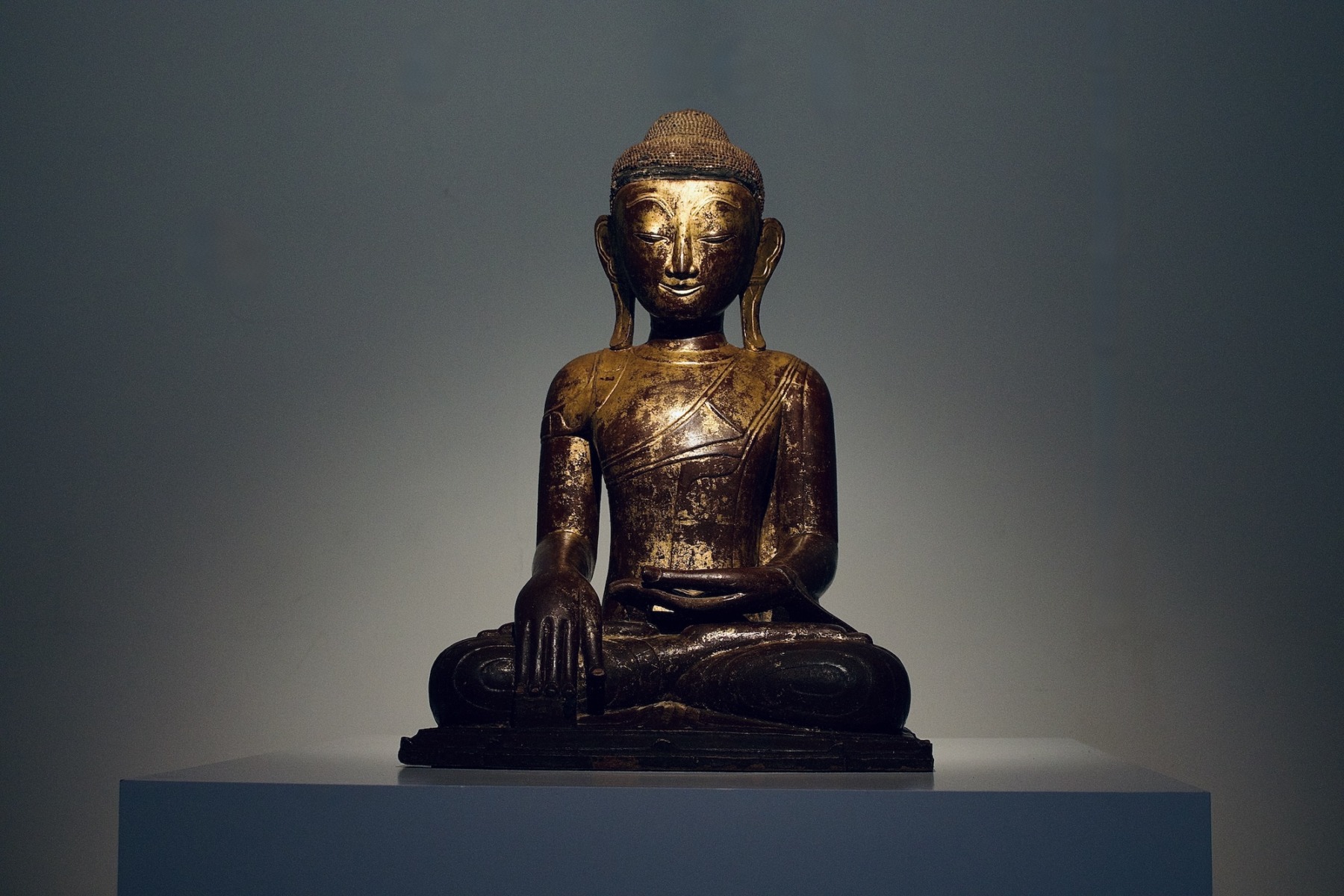
When Māra challenges the legitimacy of the Buddha to sit under the Bodhi tree and attain enlightenment, Siddhartha Gautama, deep in meditation, extends his right hand toward the ground in the bhumisparsha mudra, calling the earth to witness his merits and past actions.
This symbolic act is the physical manifestation of Maravijaya, the spiritual victory of the Buddha over Māra and his temptations. By touching the earth, the Buddha affirms his determination, his right to pursue the path of awakening, and ultimately his triumph over the forces of evil.
The earth, as a silent witness, manifests and confirms his victory, while Māra is defeated, unable to divert the Buddha from his quest for enlightenment.
Representation in the statue:
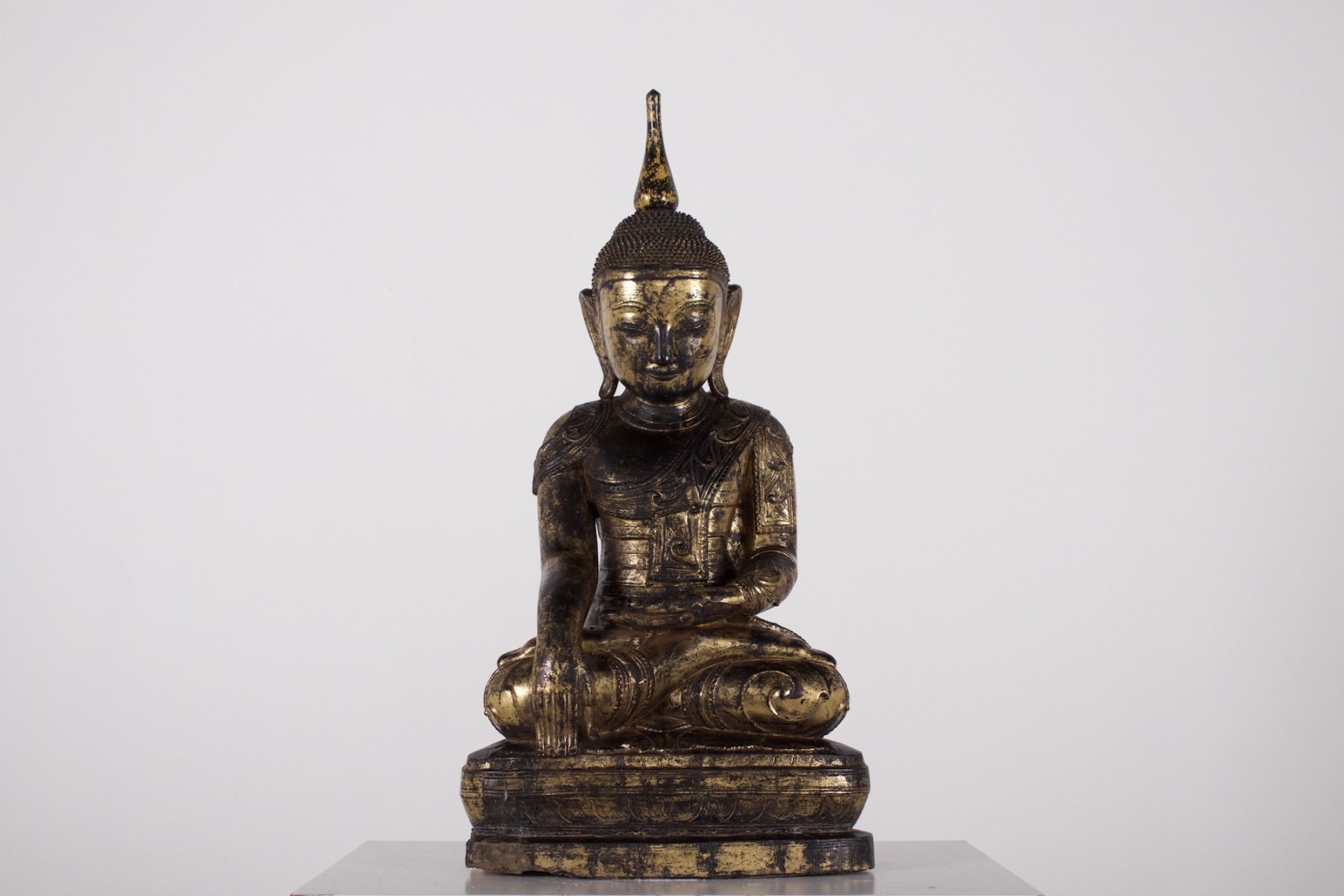
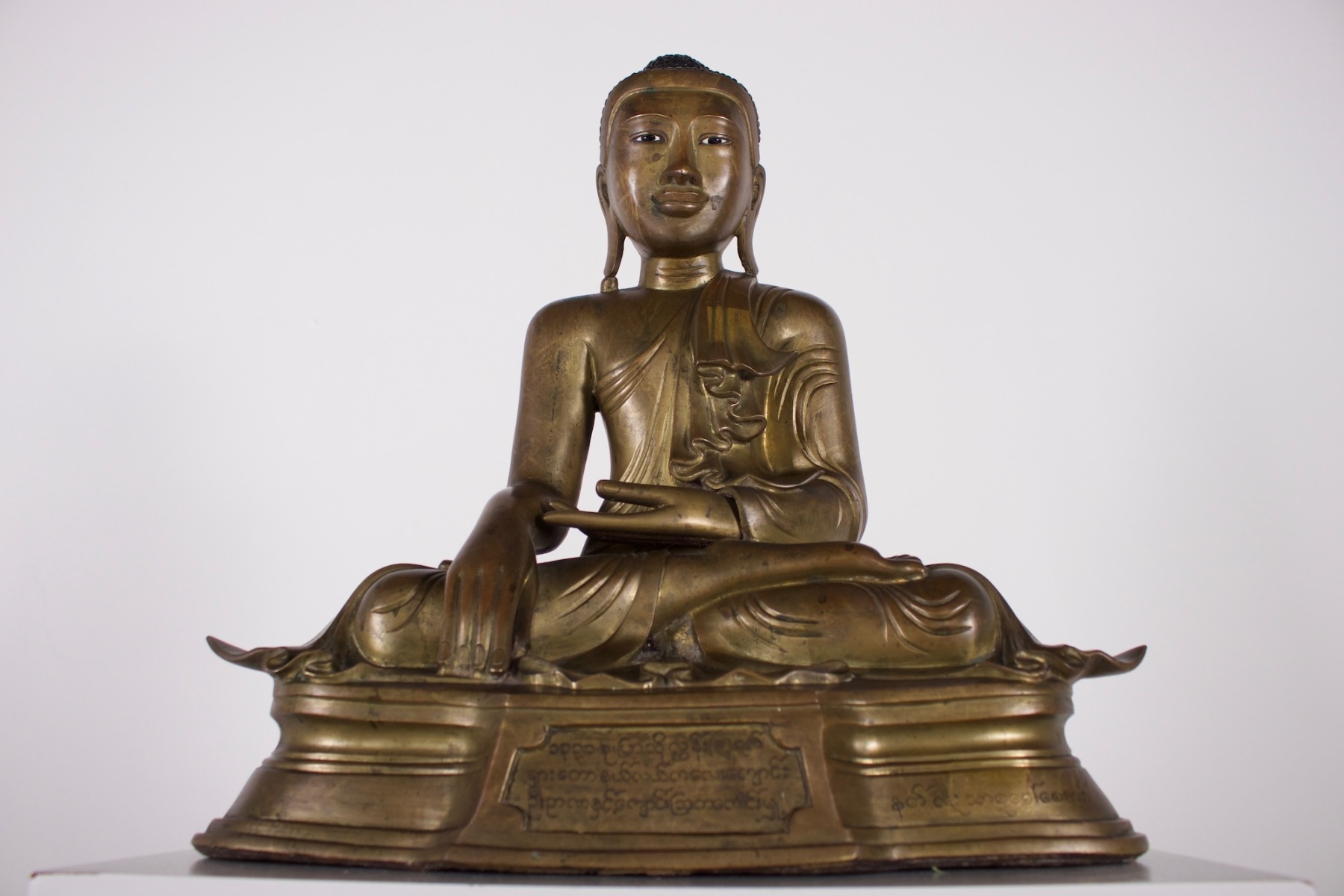
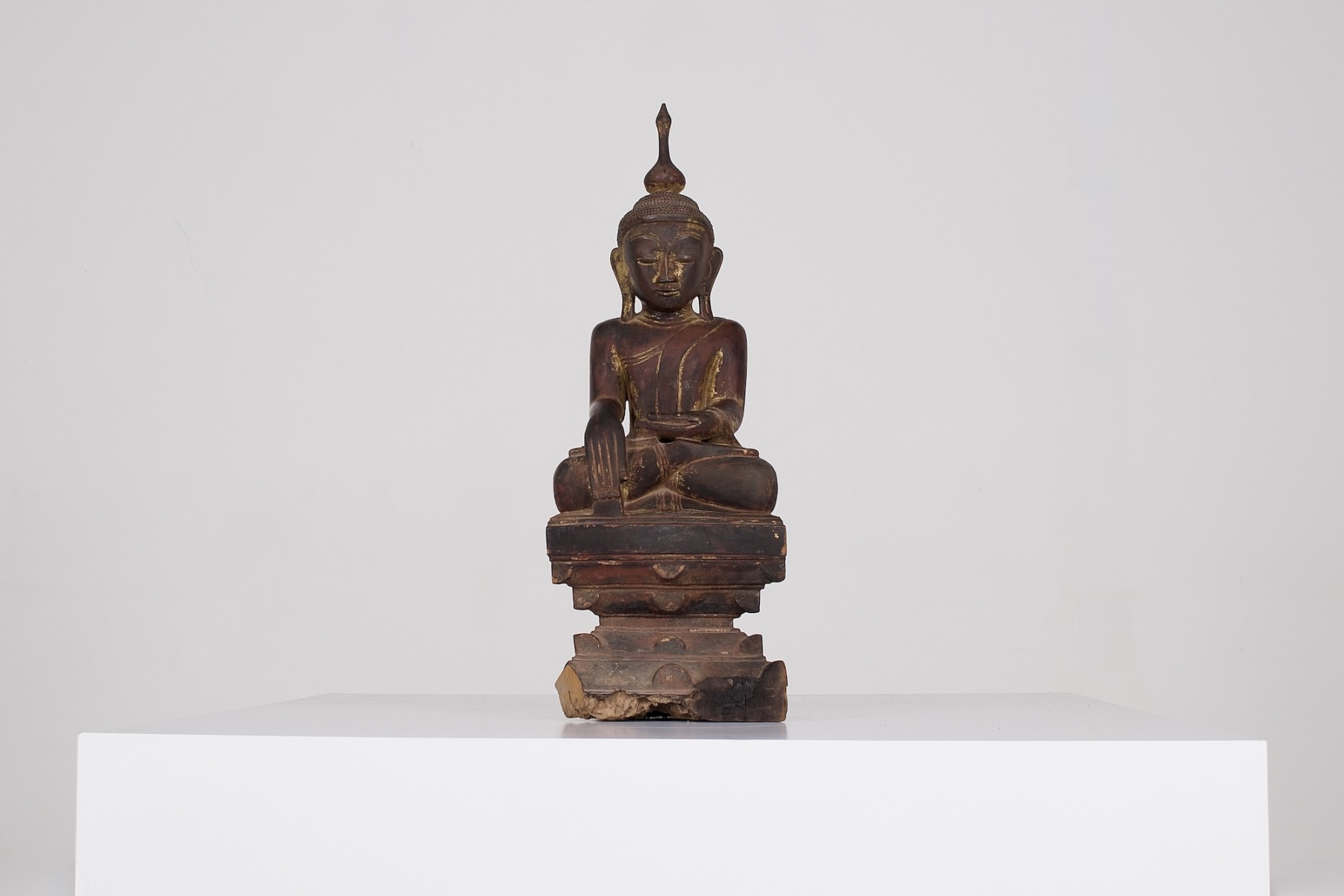
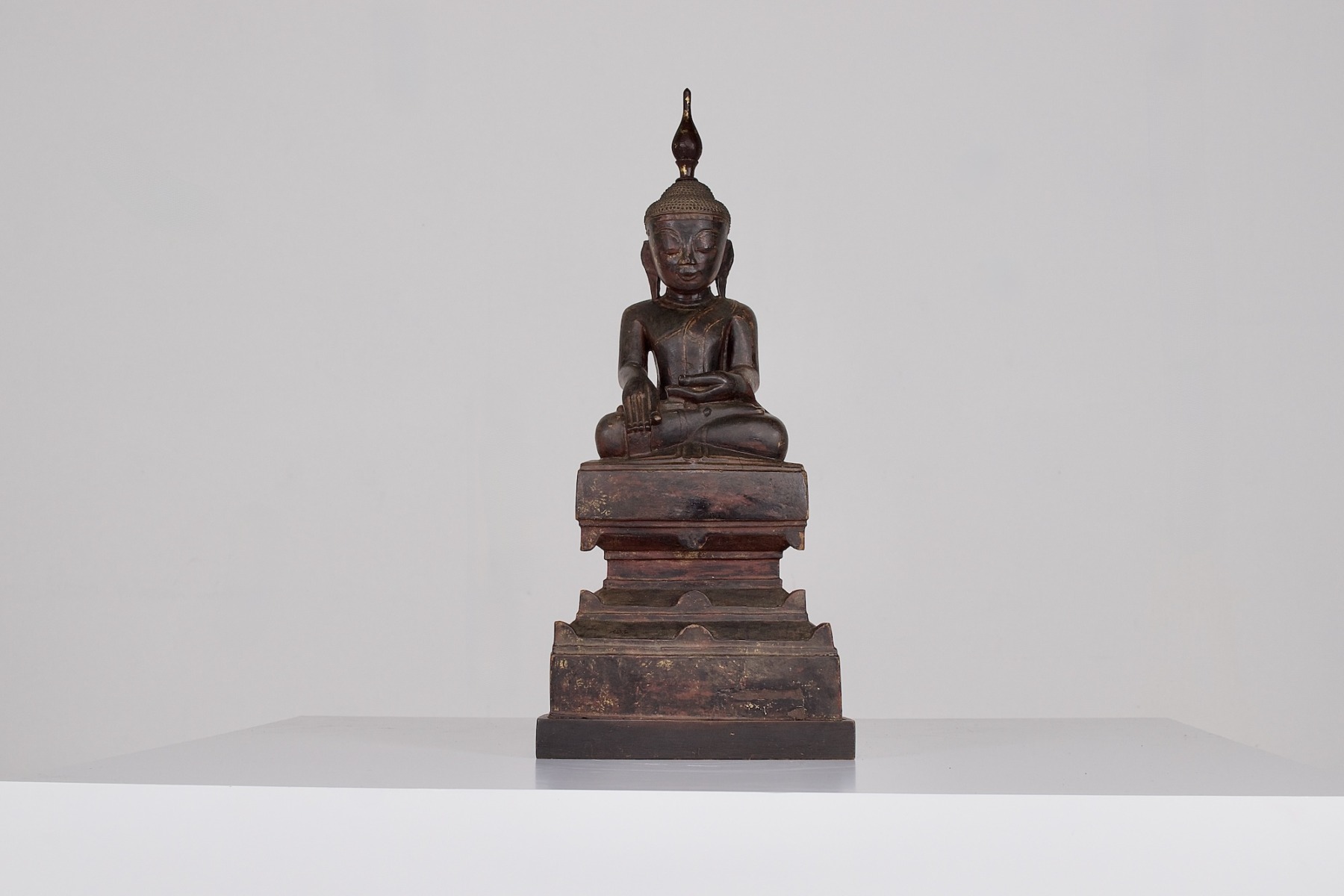
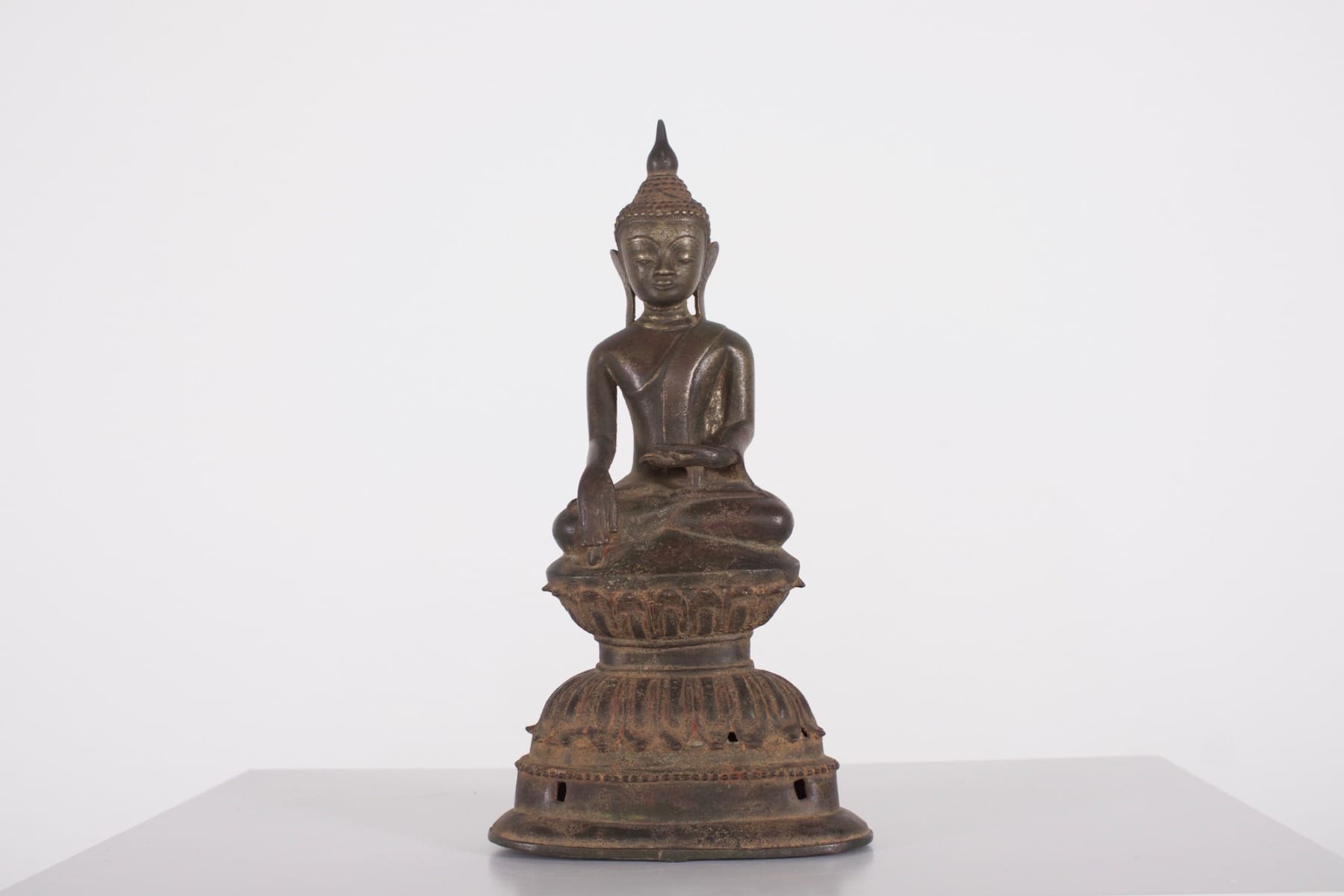
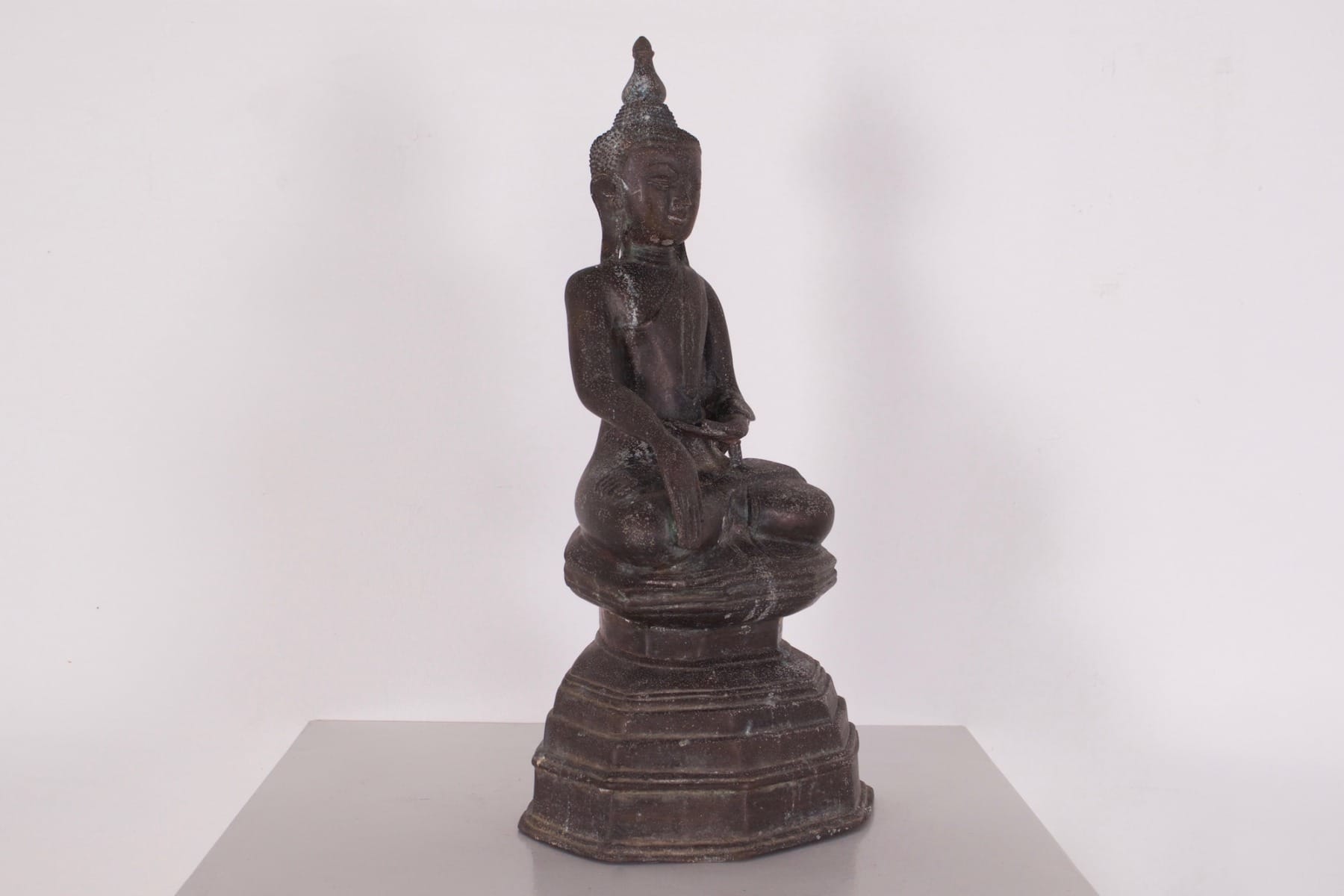
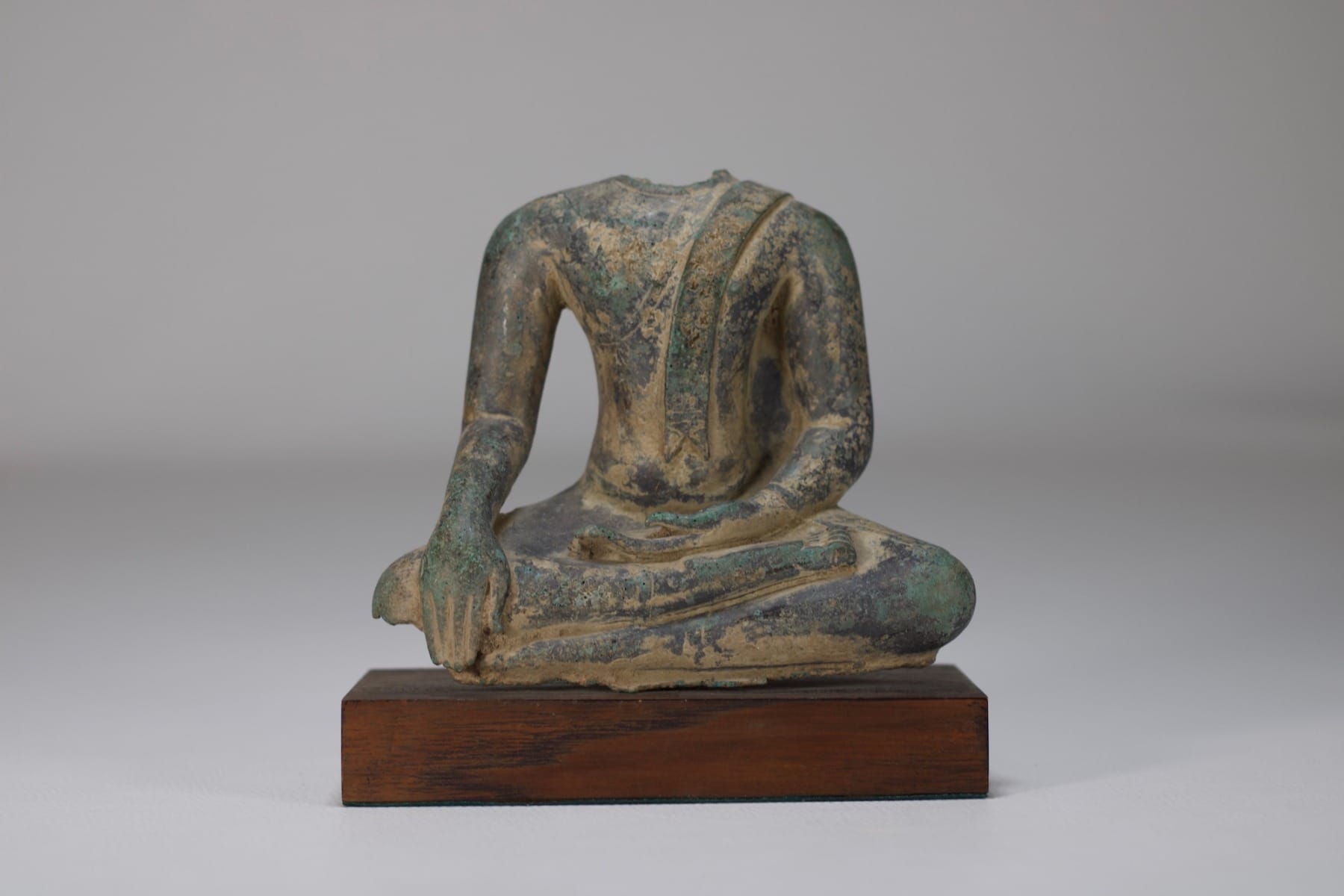
The statue of the Buddha in the bhumisparsha mudra within the context of Maravijaya captures this decisive moment when Siddhartha Gautama calls upon the earth as a witness and overcomes the temptations of Māra.
The serene face of the Buddha, his stable meditative posture, and the hand touching the earth symbolize not only his calmness and wisdom but also the great spiritual victory that is Maravijaya.
Sometimes, in artistic representations, Māra and his army can be depicted in the background or around the edges of the statue, symbolizing their failure to distract the Buddha from his path.
Significance of Maravijaya in spiritual practice:
Maravijaya represents the conquest of temptations, distractions, and attachments. It reflects the practitioner’s ability to overcome internal and external challenges to achieve inner peace and clarity.
The bhumisparsha mudra associated with Maravijaya serves as a reminder to Buddhists that, even in the face of the greatest trials and worldly temptations, wisdom, perseverance, and meditation are the tools to overcome illusions and achieve enlightenment.
Maravijaya in Buddhist art:
The Buddha’s victory over Māra is a central theme in Buddhist art, frequently depicted in murals, sculptures, and paintings, especially in Buddhist temples in Thailand, Sri Lanka, Laos, and Myanmar.
The details may vary from one culture to another, but the common motif remains the serene Buddha in meditation, with his hand touching the earth, while Māra and his forces are shown at a distance or in defeat, unable to disturb the Buddha’s mind.
The spiritual significance of Maravijaya:
Maravijaya is not just a moment of victory for the Buddha; it is also a metaphor for all practitioners of Buddhism. It teaches that true liberation does not come from suppressing external difficulties but from mastering the mind and awakening to ultimate reality.
This episode inspires Buddhists to cultivate mindfulness, recognize their inner “Māras” – such as desires, fears, and selfishness – and overcome them through conscious practice.
The Maravijaya is thus the Buddha’s triumph over the forces of illusion and desire embodied by Māra. The Buddha statue in the bhumisparsha mudra embodies this moment of spiritual victory, where the act of touching the earth symbolizes an appeal to truth and justice, a silent declaration of the Buddha’s awakening after overcoming all worldly temptations.