



Maison Jansen Lamps
In the 1920s–1930s the house became truly international, with offices in London, New York, Cairo, Buenos Aires, and Rio—exporting the “Jansen style” worldwide

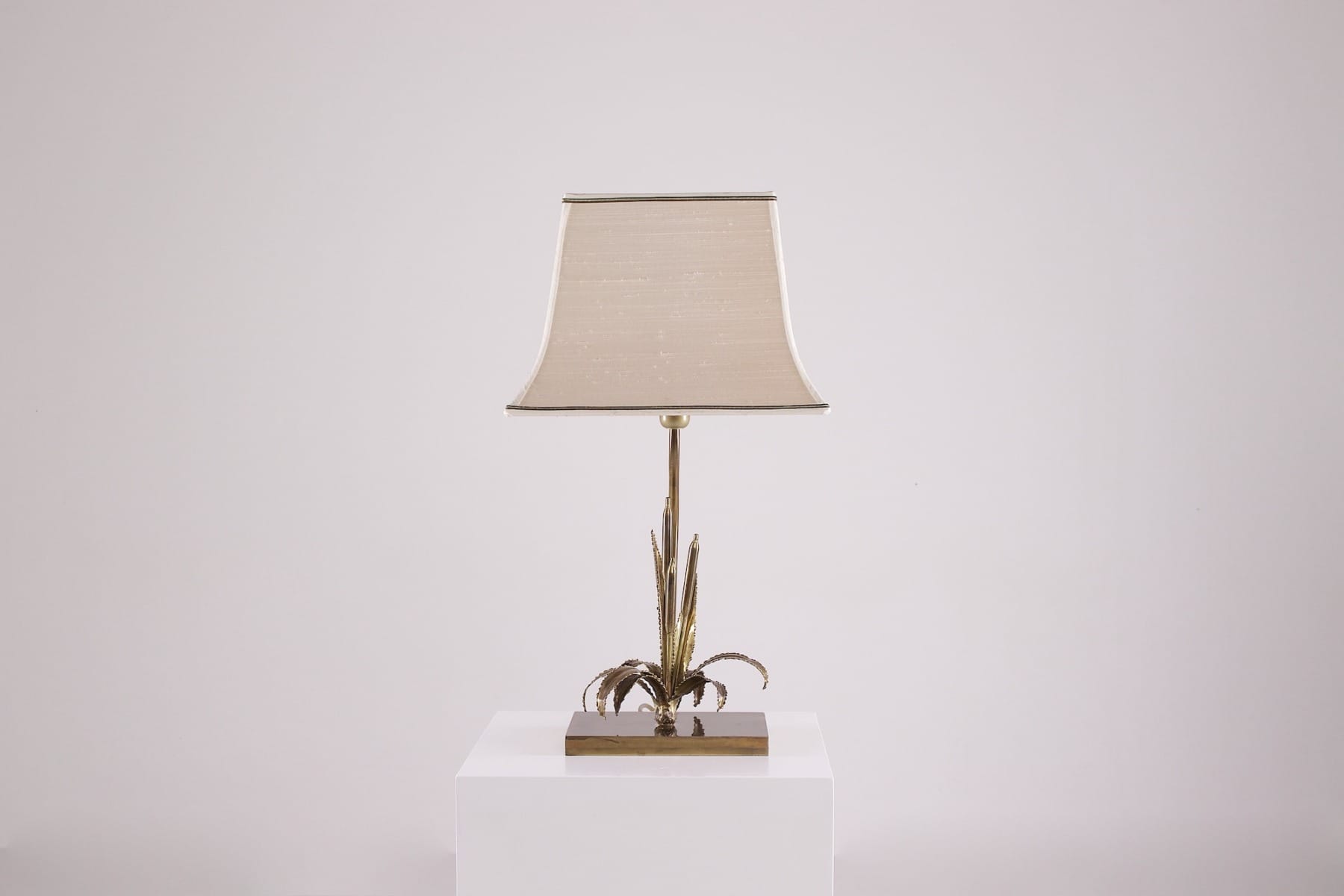
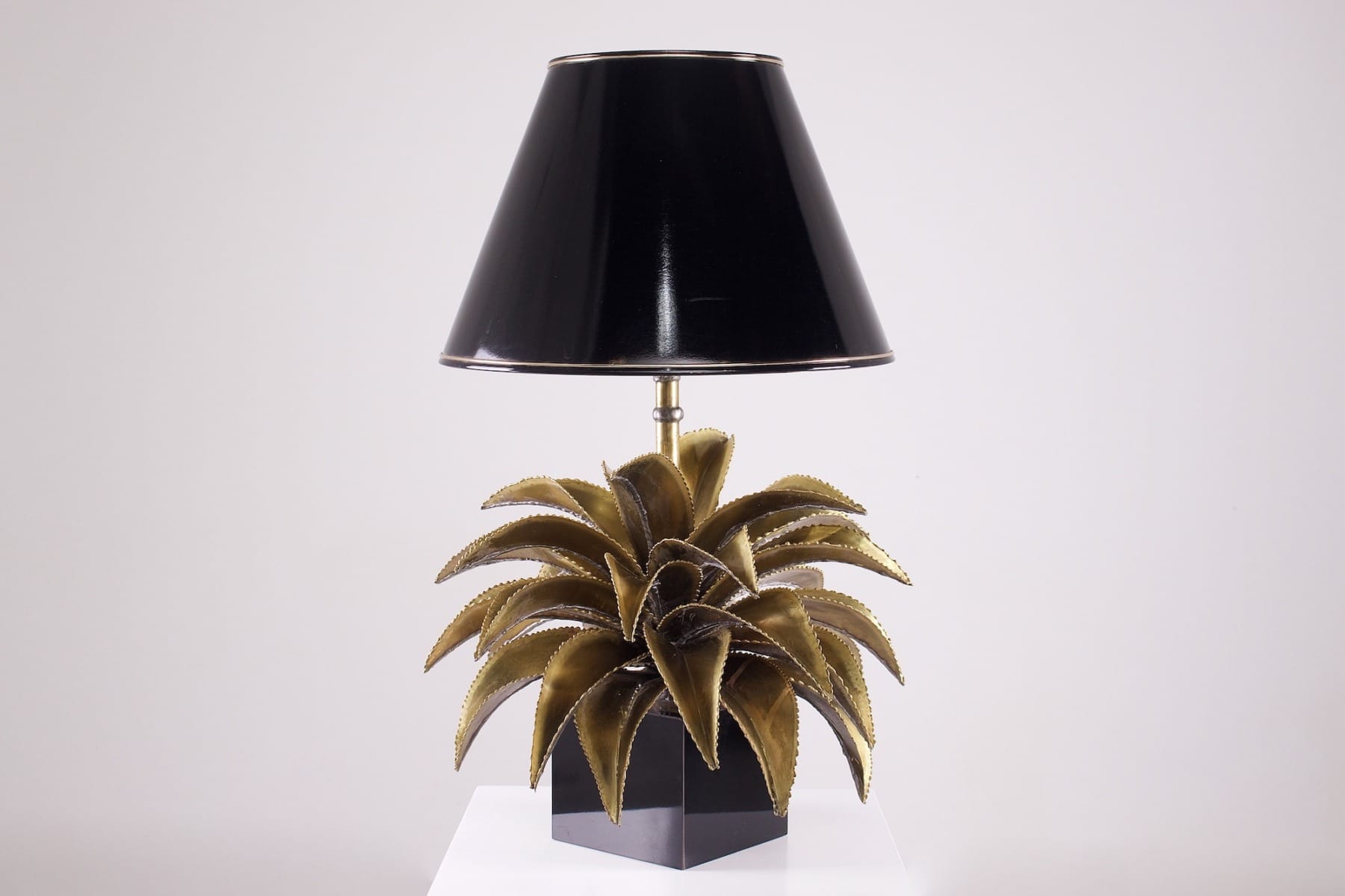
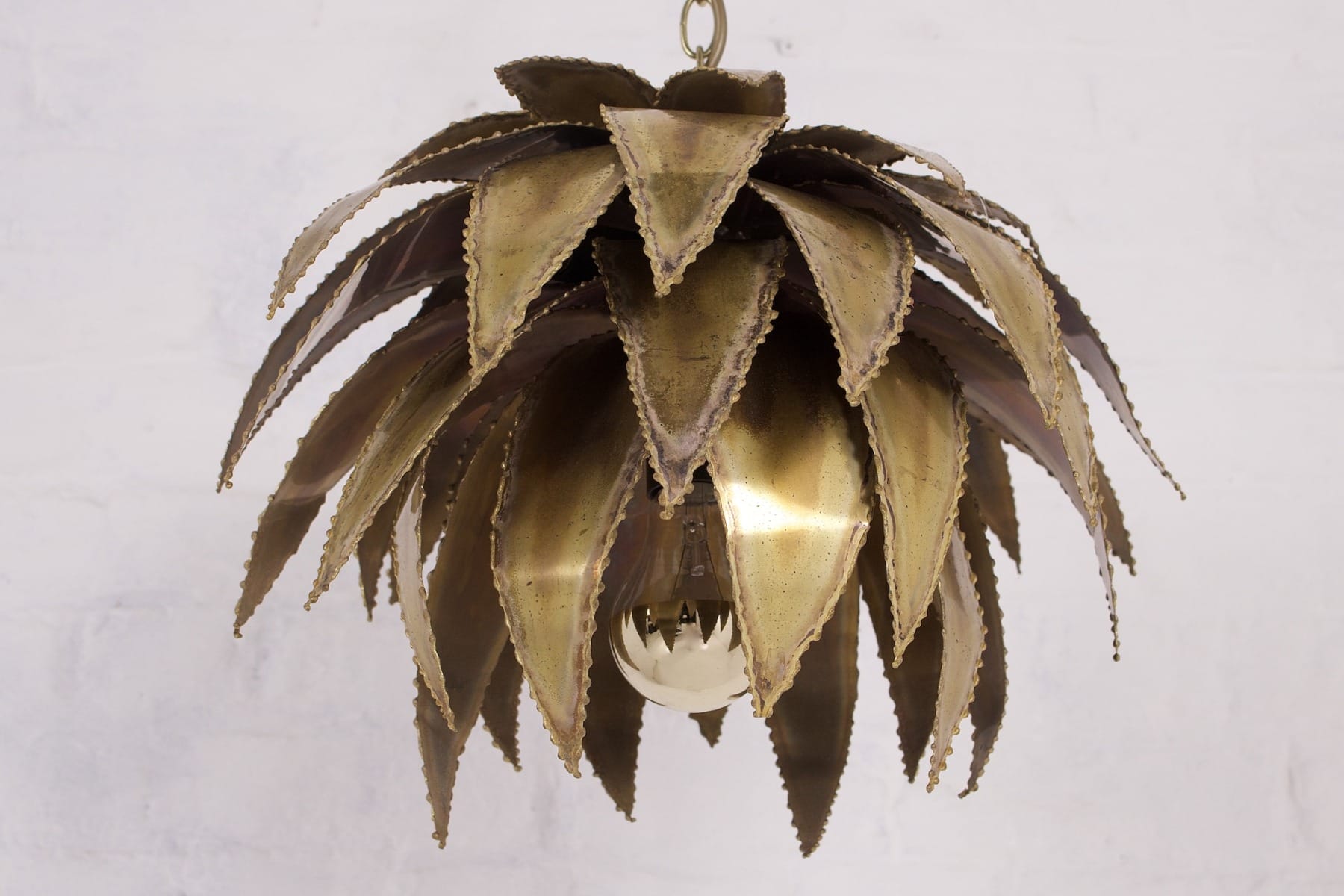
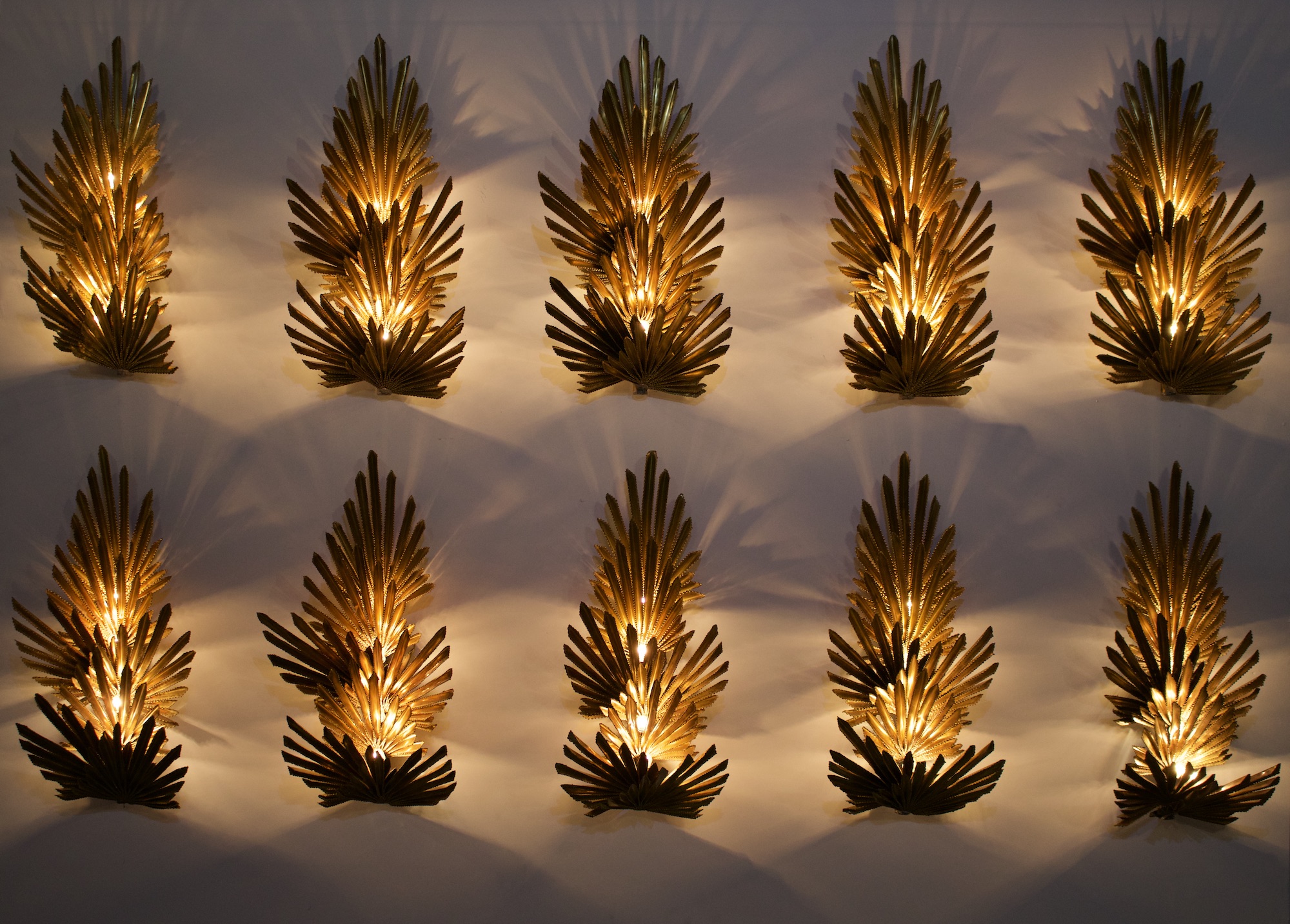
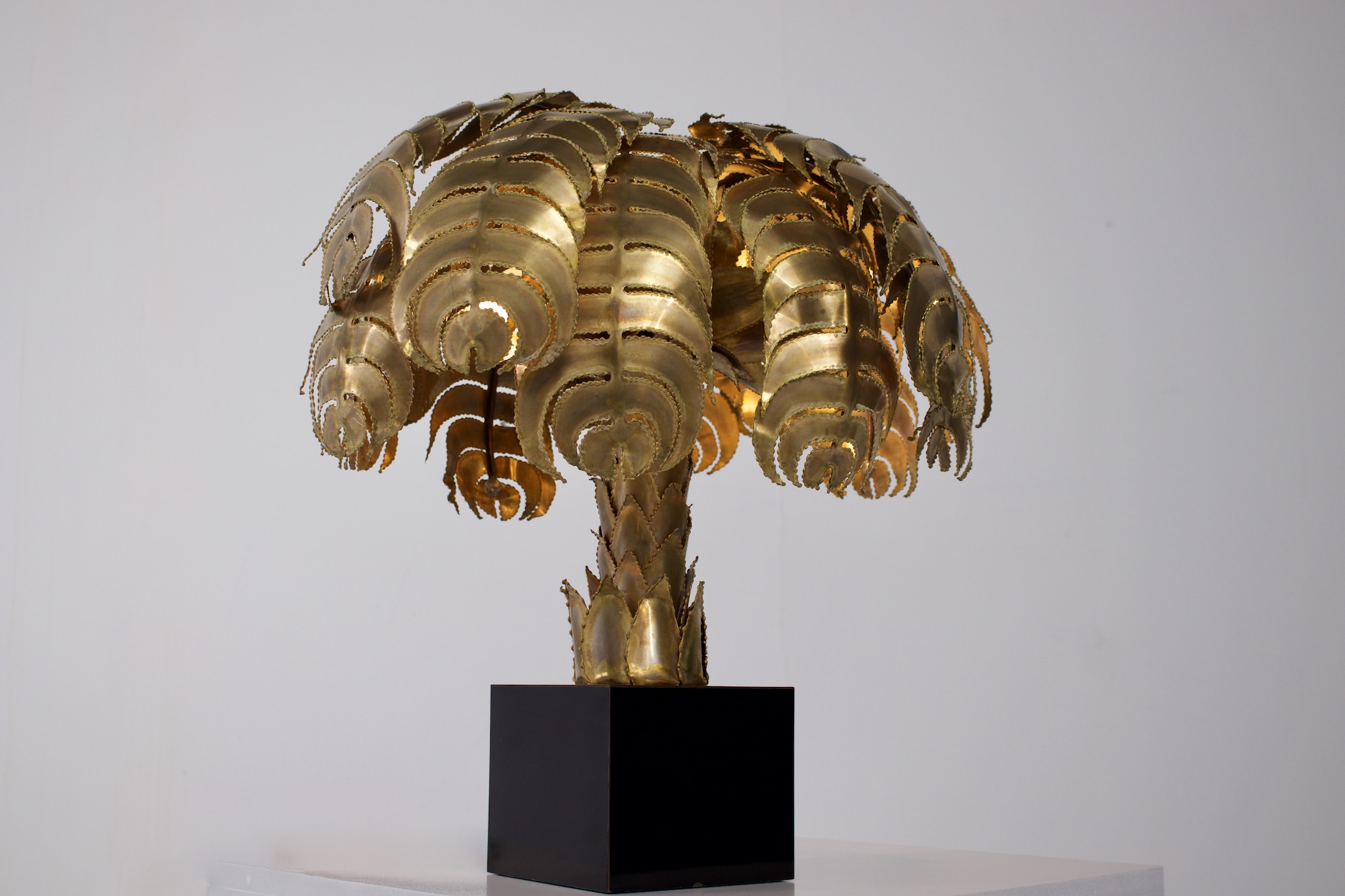
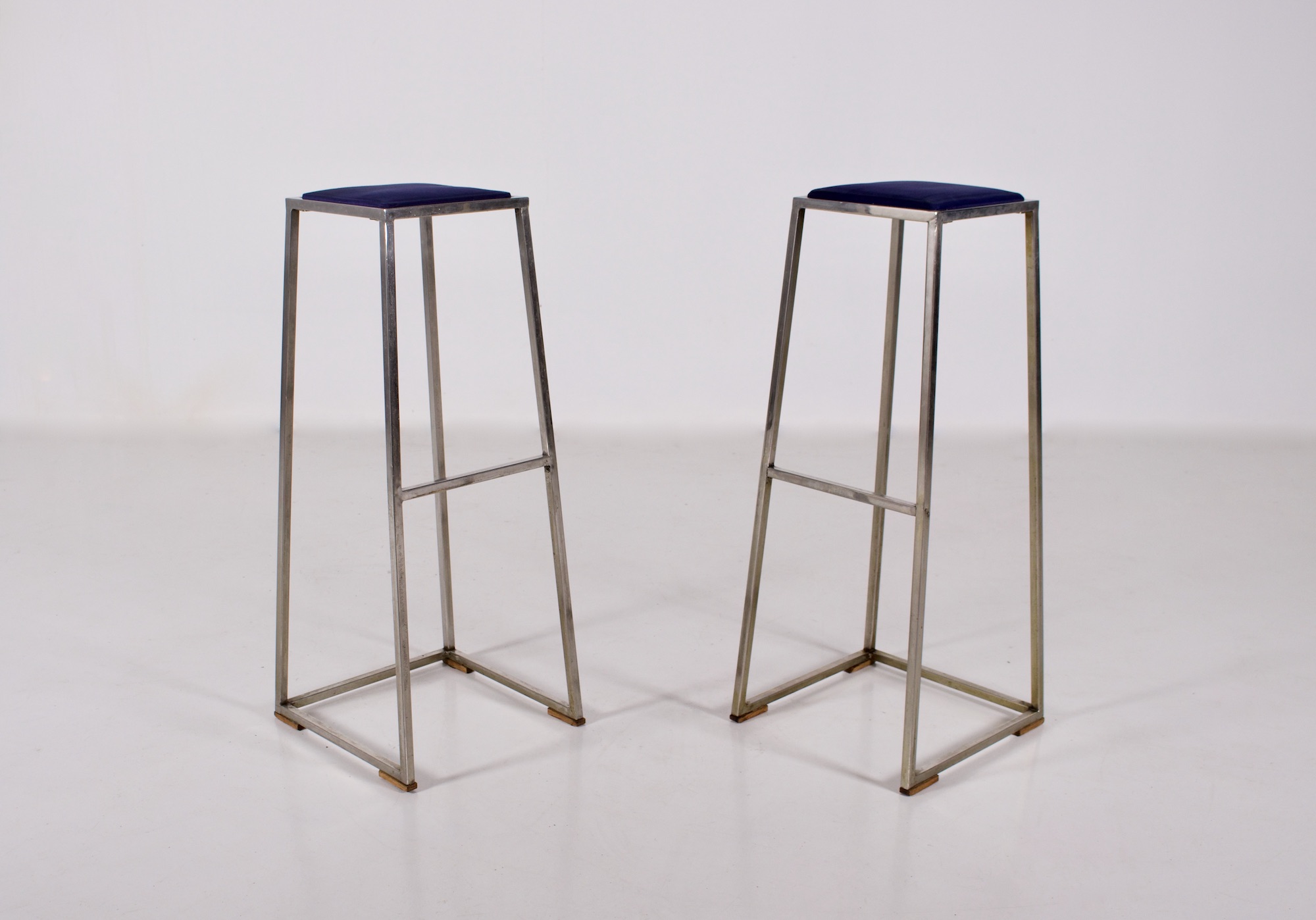

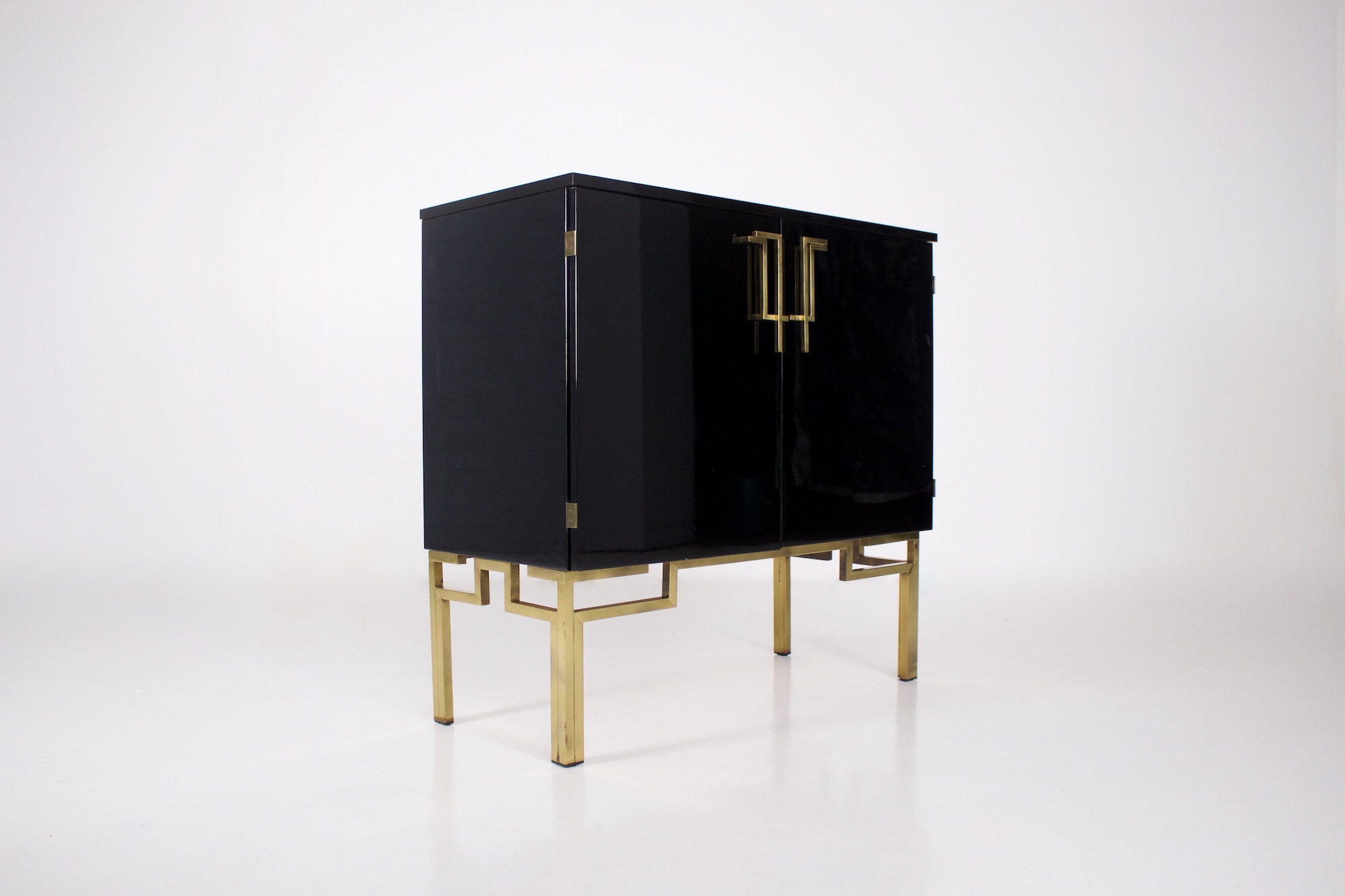



Maison Jansen lamps and creations from the celebrated decorating house rank among the most prestigious productions of the twentieth century, combining luxury, elegance, and craftsmanship. Founded in 1880 by Jean-Henri Jansen, the firm rapidly extended its activity to cabinetmaking, interior decoration, and the creation of bespoke furniture and lighting for an international clientele.
Originally an antiques dealer, Jansen developed a highly personal decorative vocabulary blending European classical references, exotic influences, and a pronounced taste for precious materials. In the 1920s–1930s the house became truly international, with offices in London, New York, Cairo, Buenos Aires, and Rio, disseminating the “Jansen style” worldwide. Under the direction of Stéphane Boudin it participated in major decorating and furnishing commissions for private residences, embassies, and prestigious buildings.
The furniture production is distinguished by its great variety: coffee tables and sofa ends in brass, consoles in gilt metal sometimes imitating bamboo, dining tables with extensions in patinated bronze, and furniture with naturalistic and occasionally Japoniste ornament. These creations often combine refined construction with worked surfaces, patinas, and chased bronze decorative details characteristic of the house.
In the 1960s lighting assumed a particularly spectacular place in this decorative repertoire. Maison Jansen notably developed the celebrated “Palmier” and “Agave” table lamps, wall sconces, and floor lamps, produced in different forms and sizes. During the 1970s several of these models were associated with the workshops of Christian Techoueyres, who executed for Jansen sculptural lighting in cut brass soldered with tin.
Today Maison Jansen lamps, like the furniture produced by the house, are sought after for their quality of execution, their decorative character, and their singular place in the history of twentieth-century design and decoration. Vintage Addict presents a selection of period pieces, restored when necessary and accompanied, when possible, by contextual elements documenting their provenance.