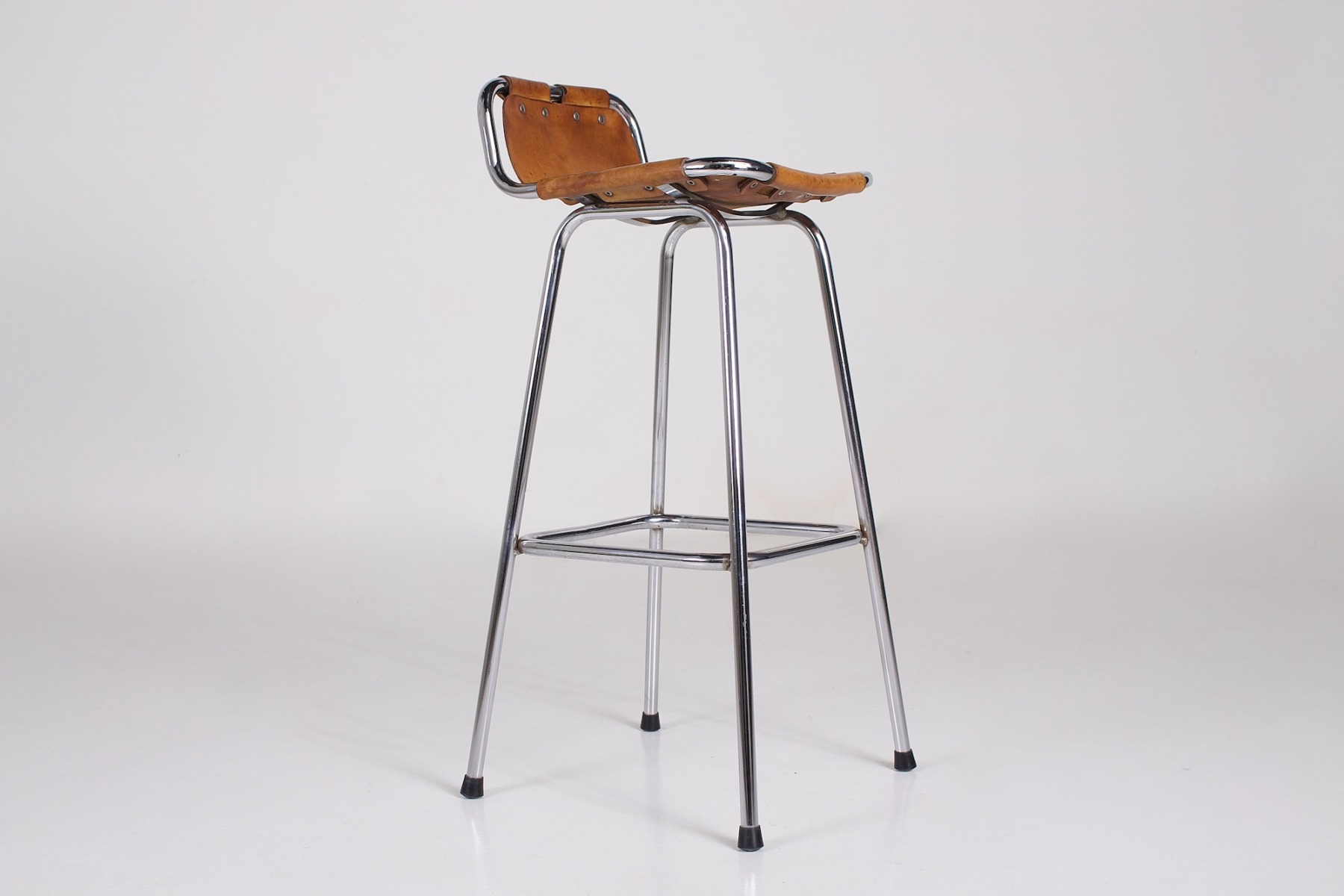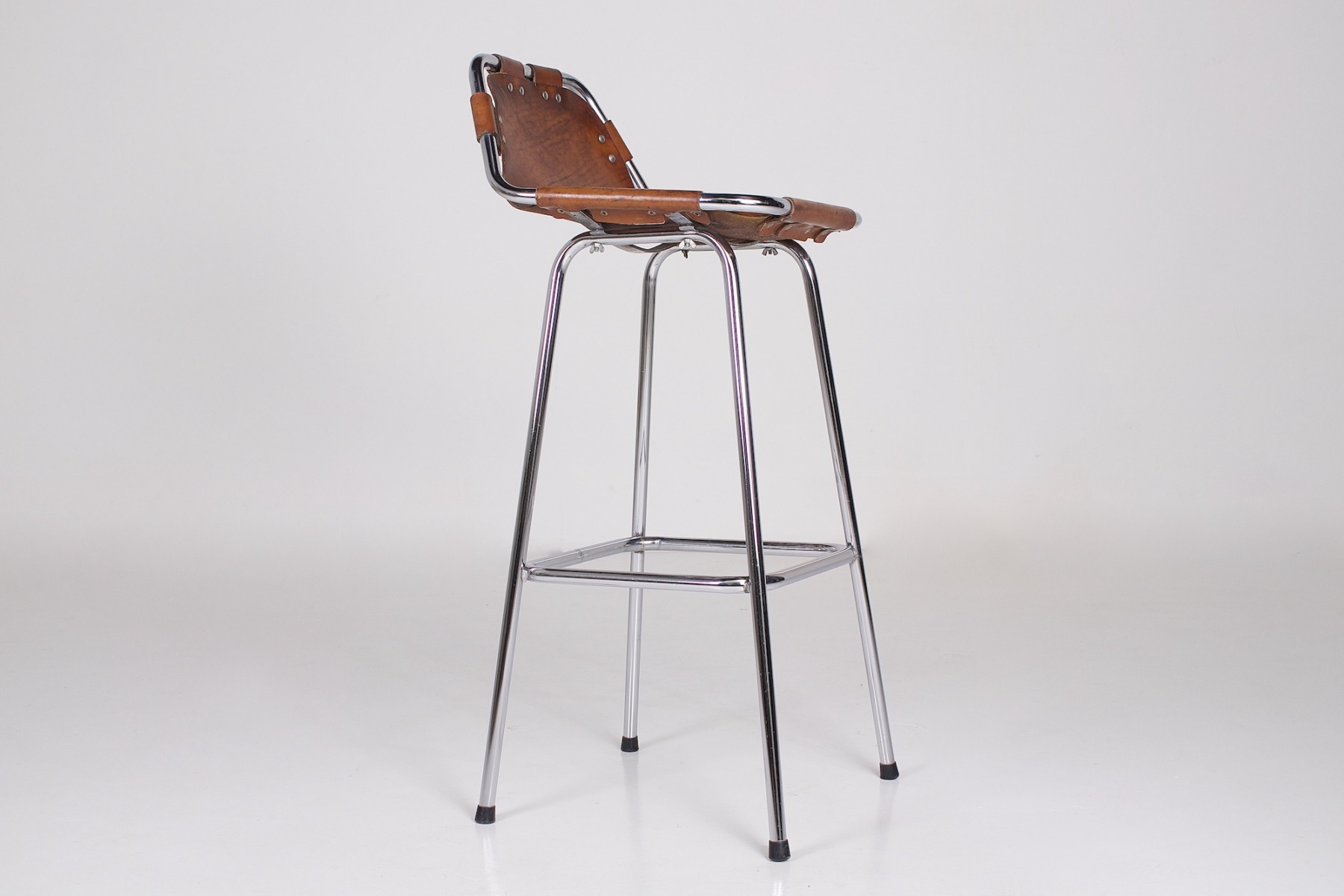
Leather Bar Stool
€1500,00



Sold

Isamu Kenmochi (剣持勇) is one of the founding figures of Japanese industrial design. Trained at the Tokyo Industrial Arts Institute, he participated in the reconstruction of post-war Japan by contributing to the emergence of a design style that reconciled industrial production, daily use, and traditional craftsmanship.
A stay in the United States in 1952 marked a turning point in his career. There, he met Charles and Ray Eames, Marcel Breuer, Eero Saarinen, and Ludwig Mies van der Rohe. This encounter with international modernism led him to develop an approach focused on the balance between standardization, ergonomics, and local material culture.
Also influenced by Bruno Taut, Charlotte Perriand, and Isamu Noguchi, Kenmochi advocated for design with clean lines, based on precise proportions and structural clarity. In his book Japanese Modern, he described this approach as a controlled tension between machine and hand, reason and emotion.
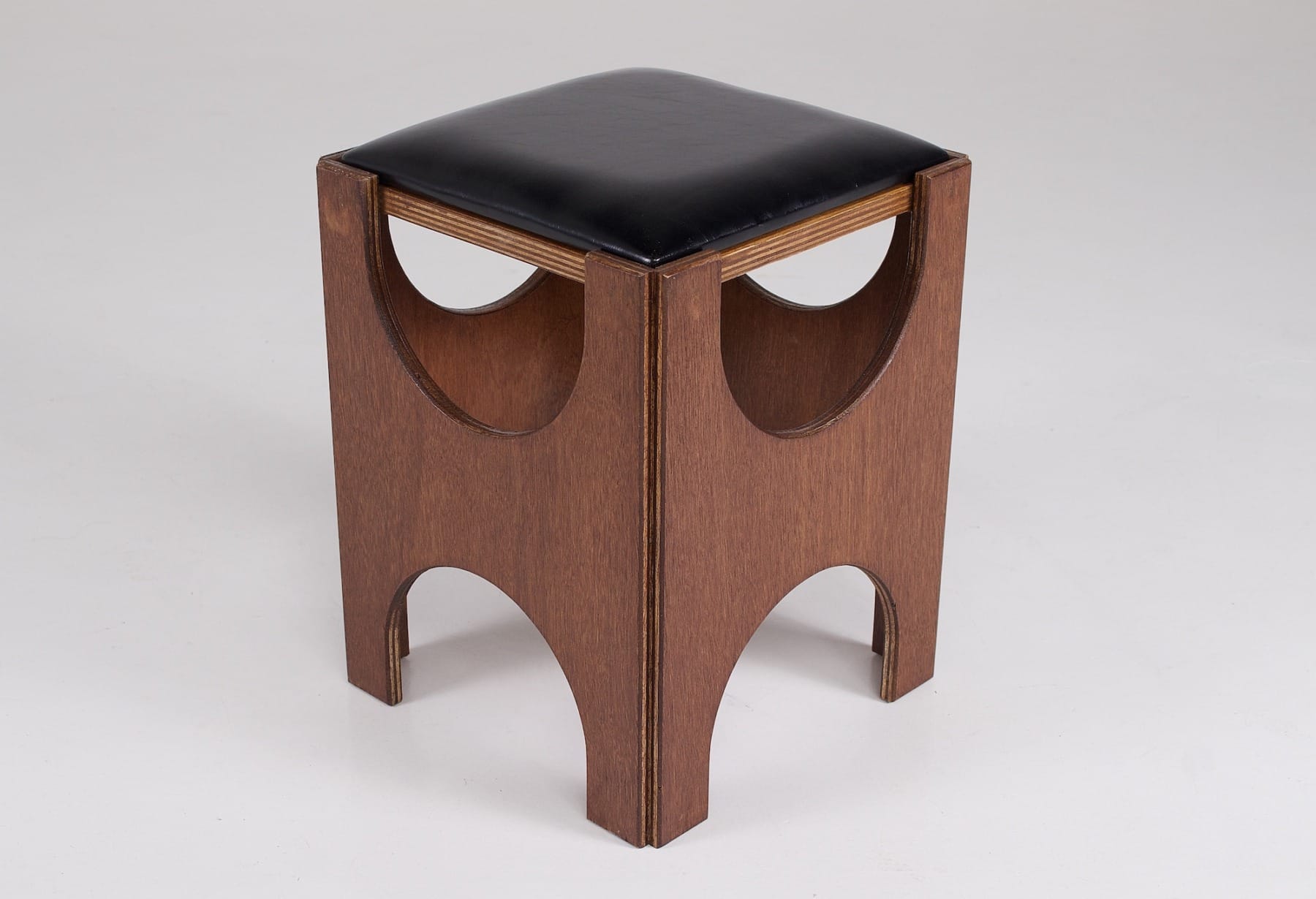
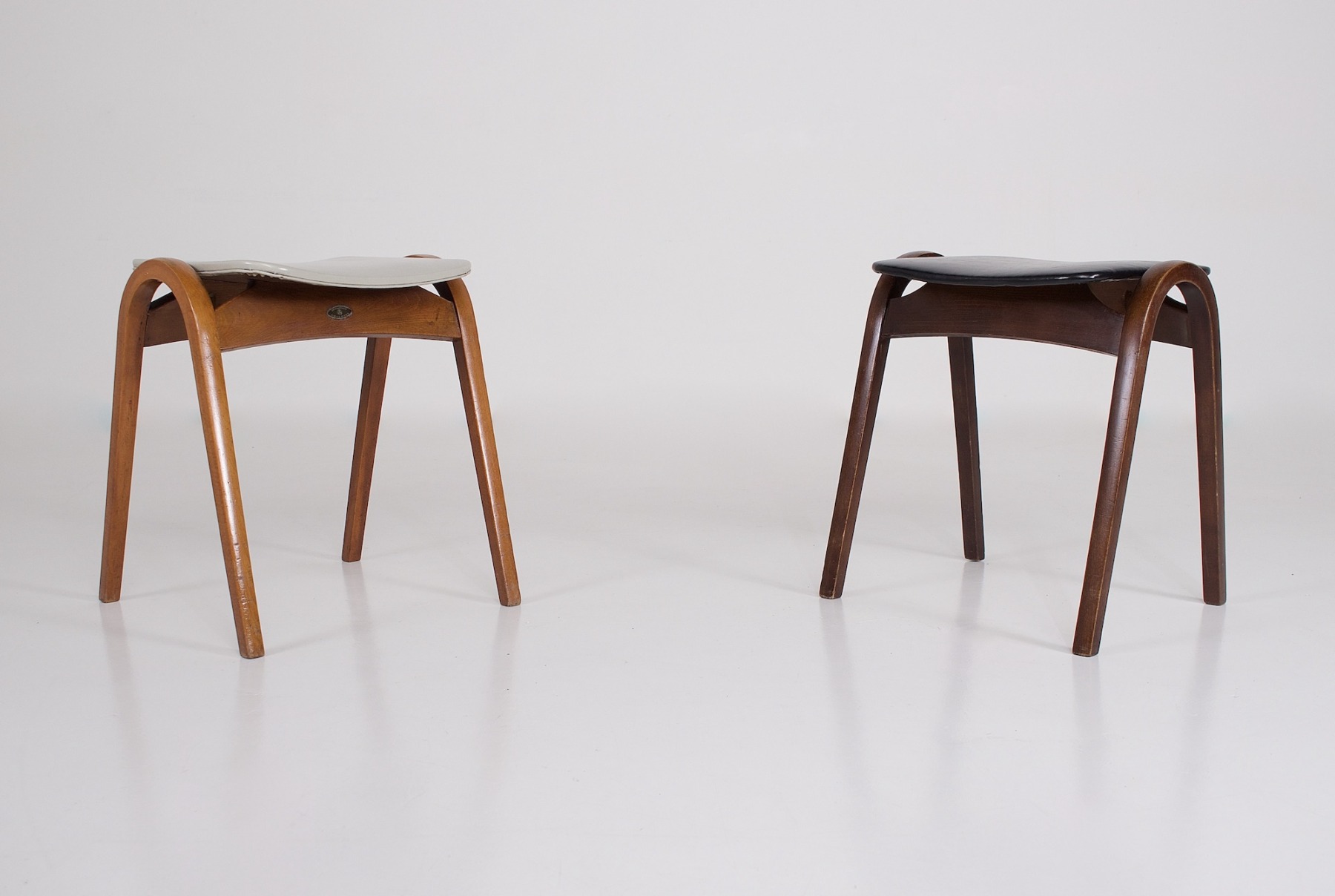
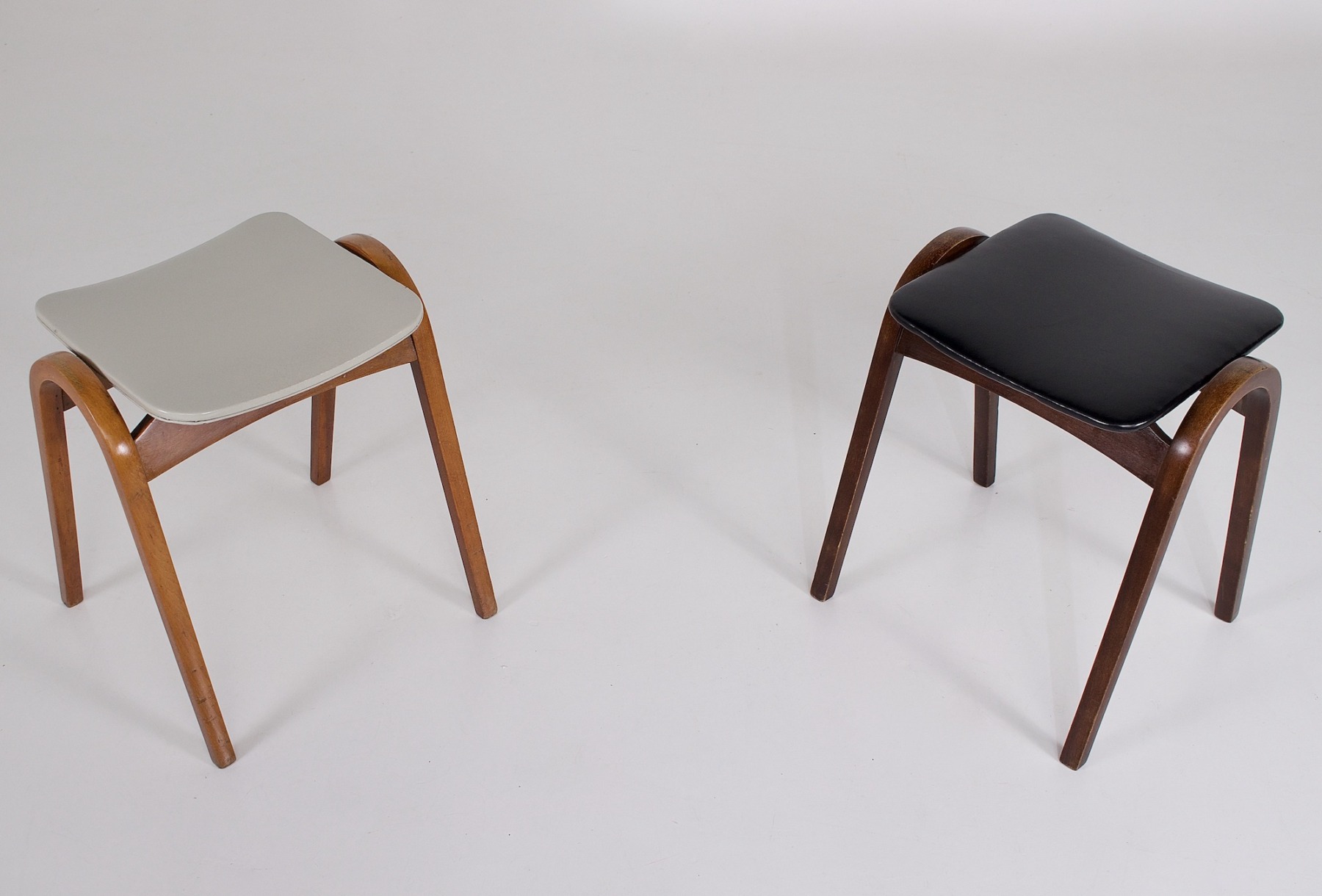
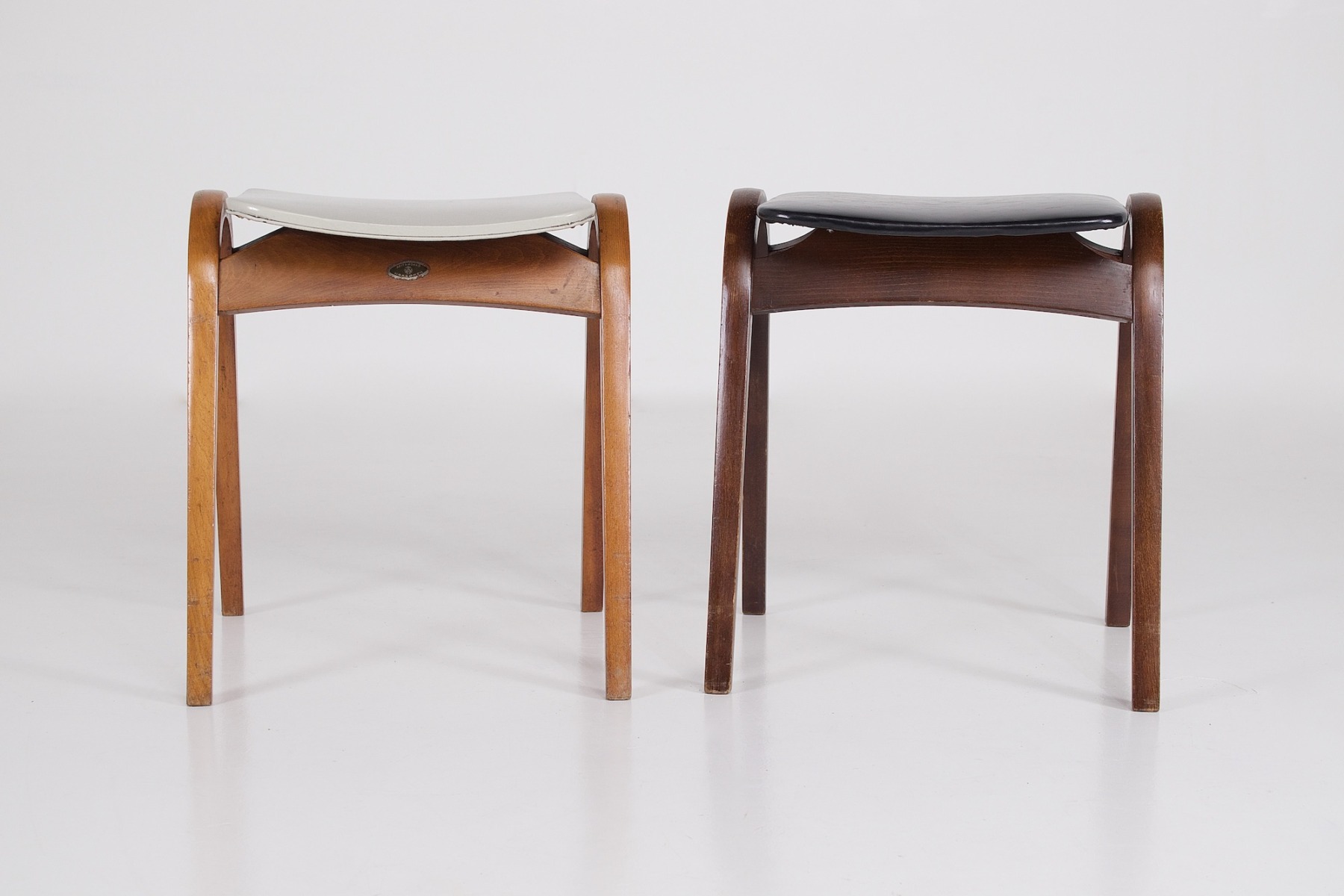
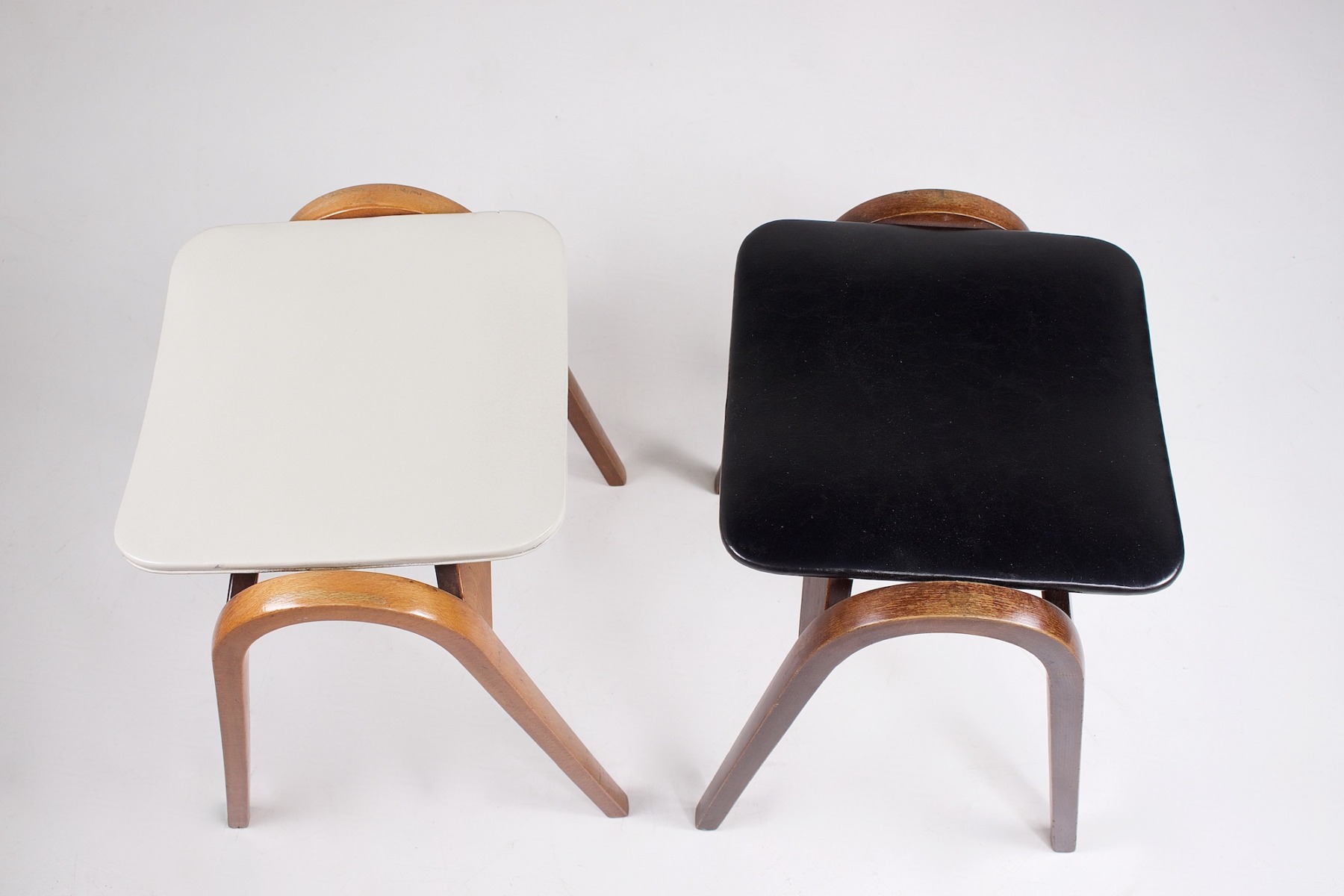
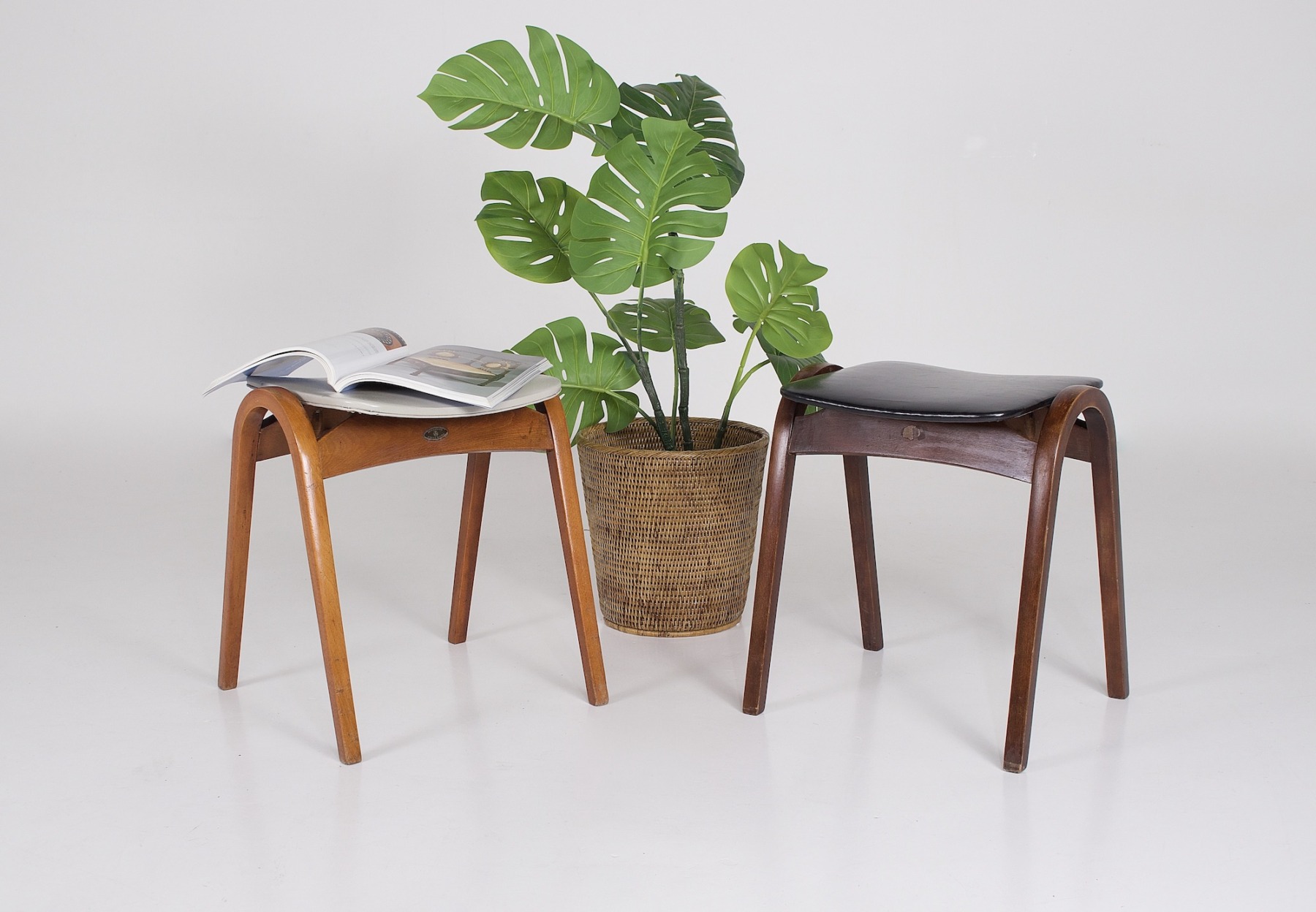
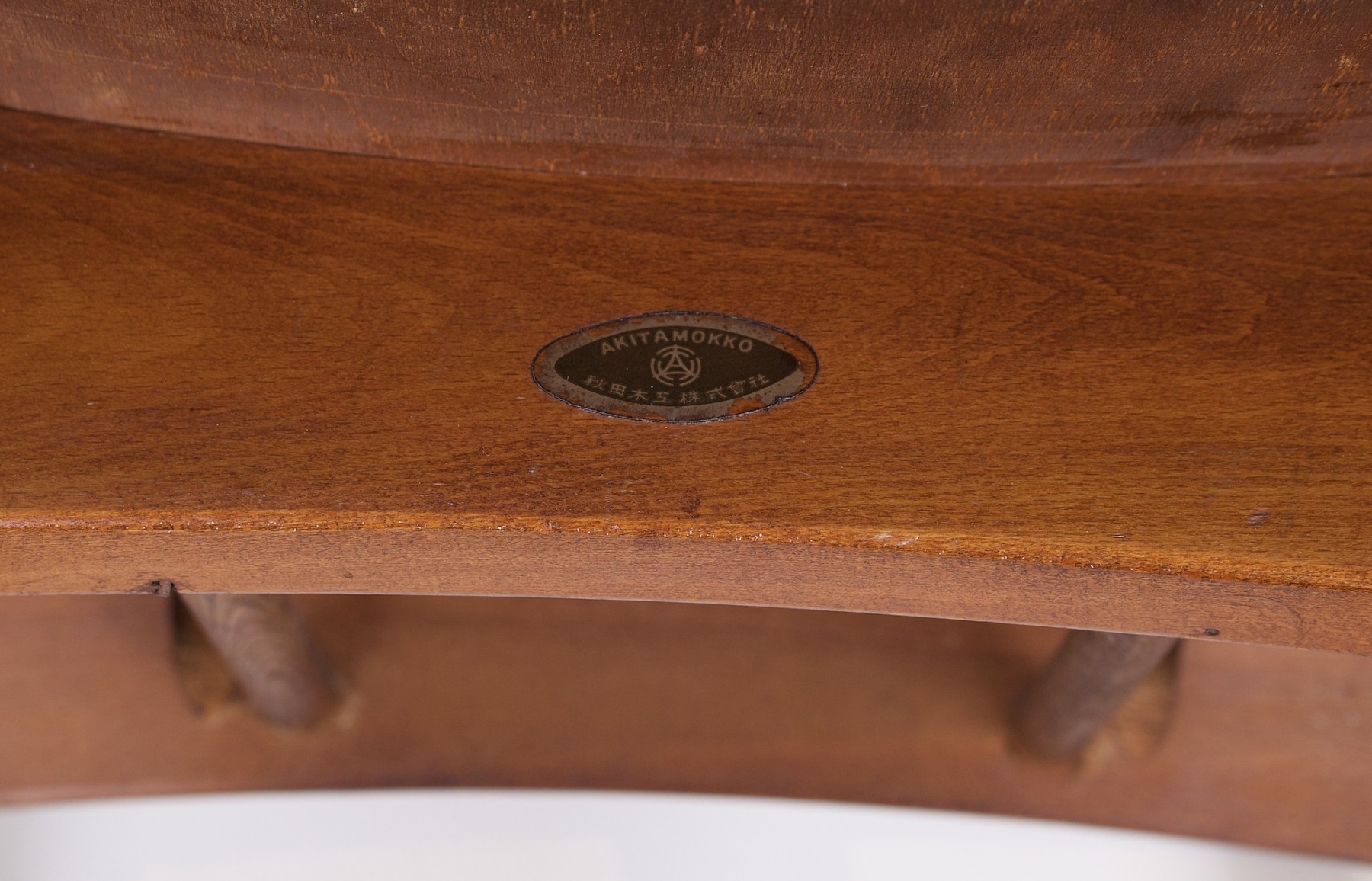
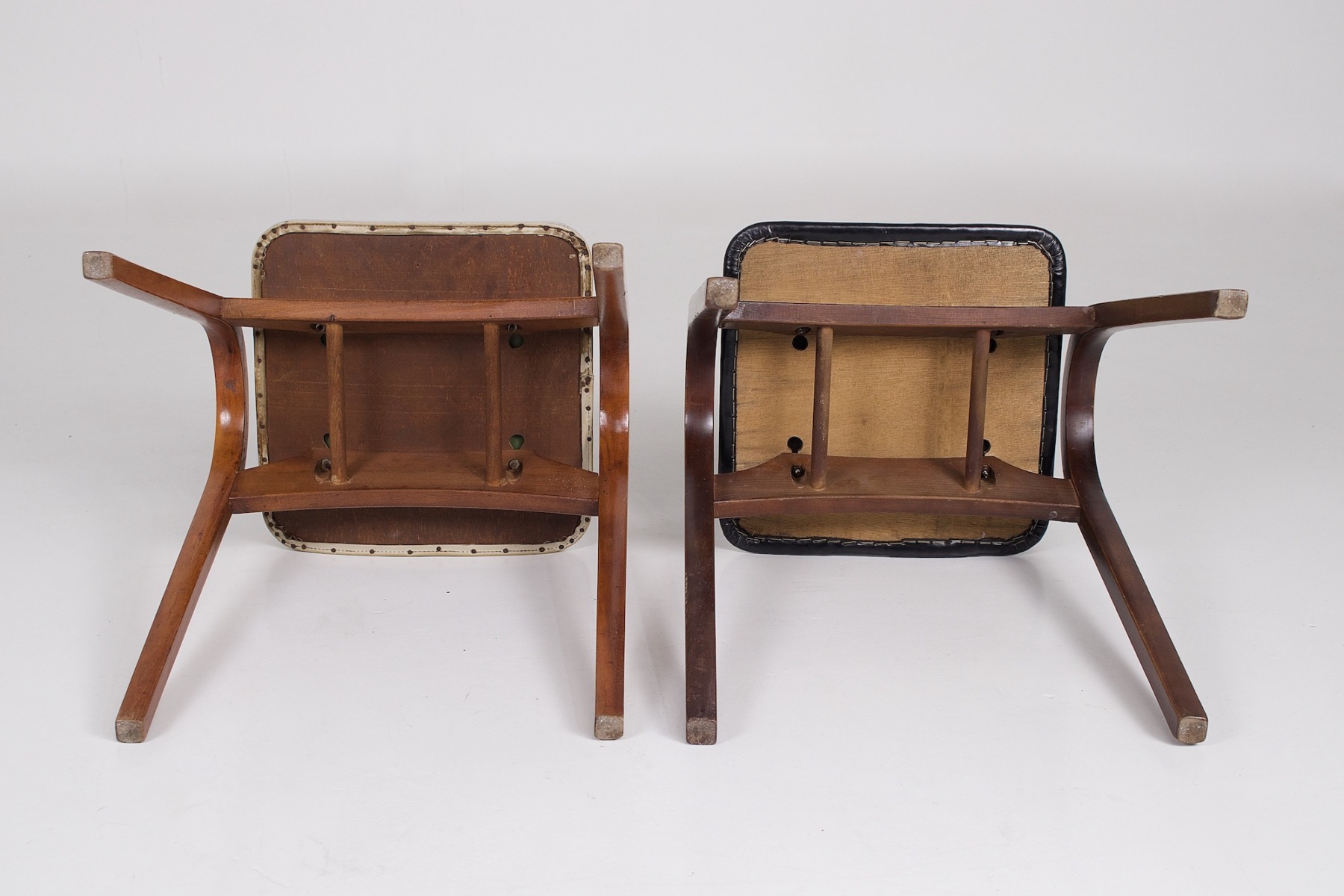
The stools designed for Akita Mokko, first presented in 1958 at the Apartment Life exhibition at the Matsuya department store in Tokyo, fully illustrate this approach. Stackable and adapted to urban life, they reflect a functional and durable furniture concept, the production of which continued for several decades.
Devoid of decorative effects, these pieces rely on clear construction and balanced proportions, characteristic of early 1960s Japanese design, where furniture recedes in favor of utility and space.