





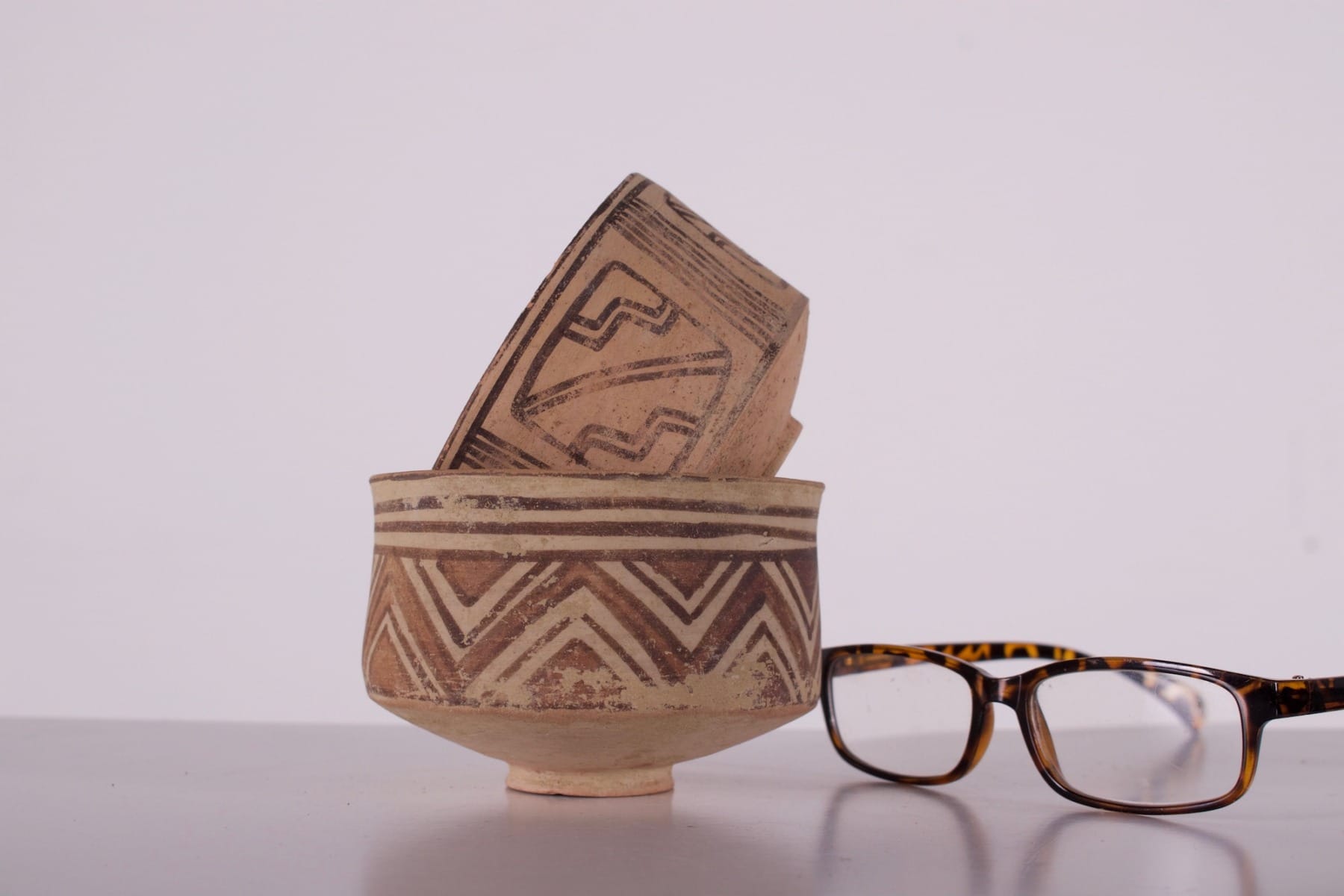

Pair of Mehrgarh terracotta bowls – Indus Valley civilisation
€700,00
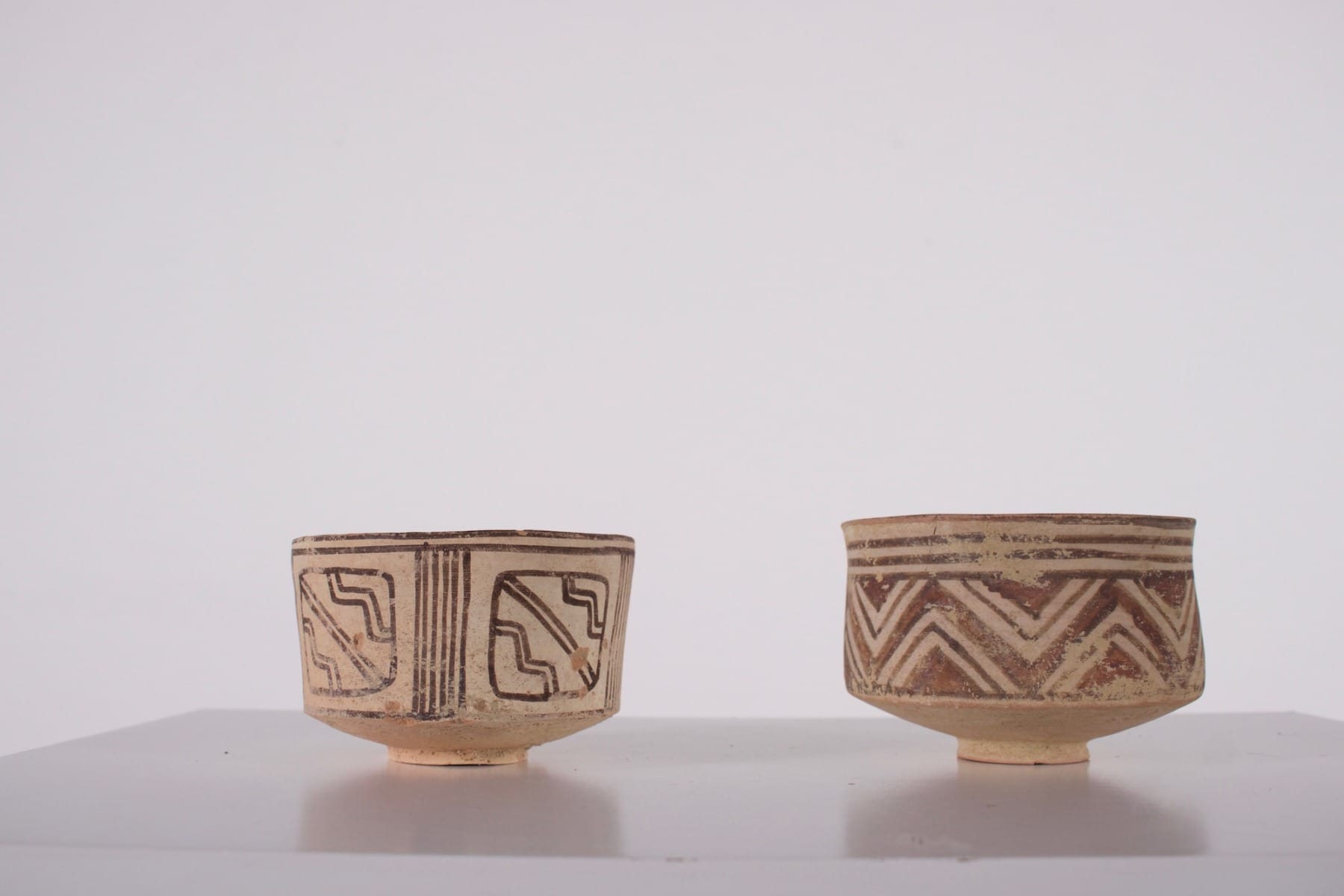
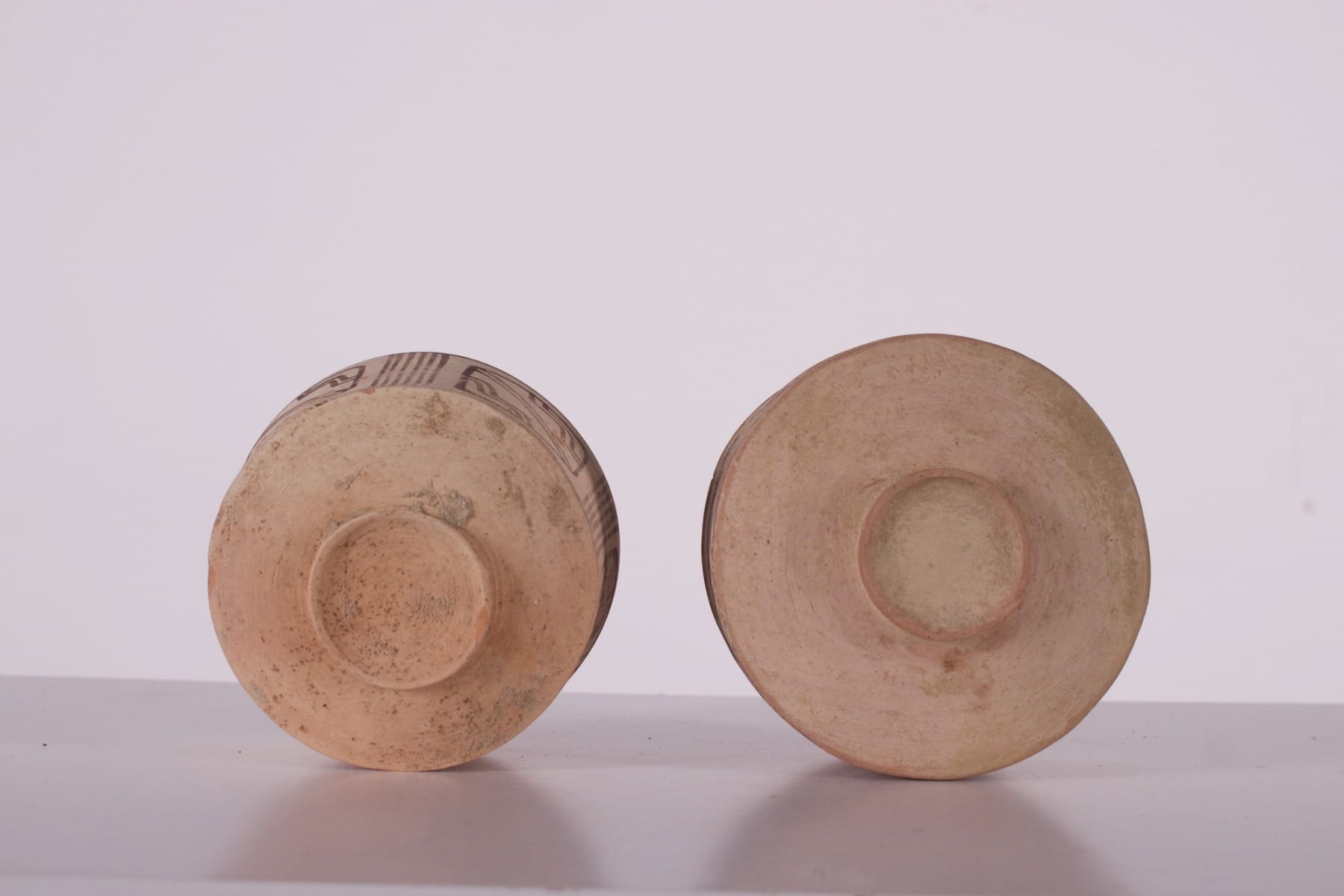
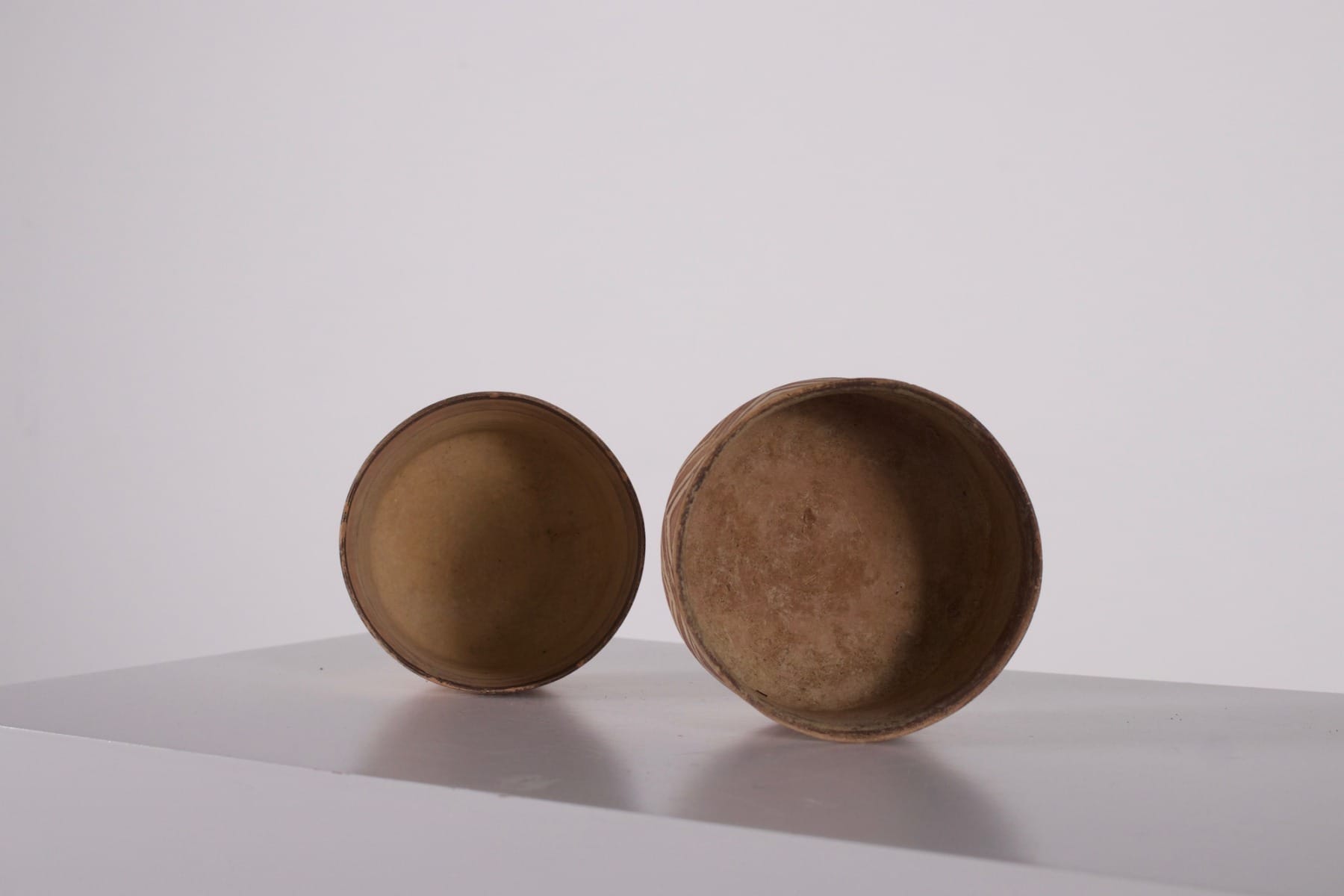
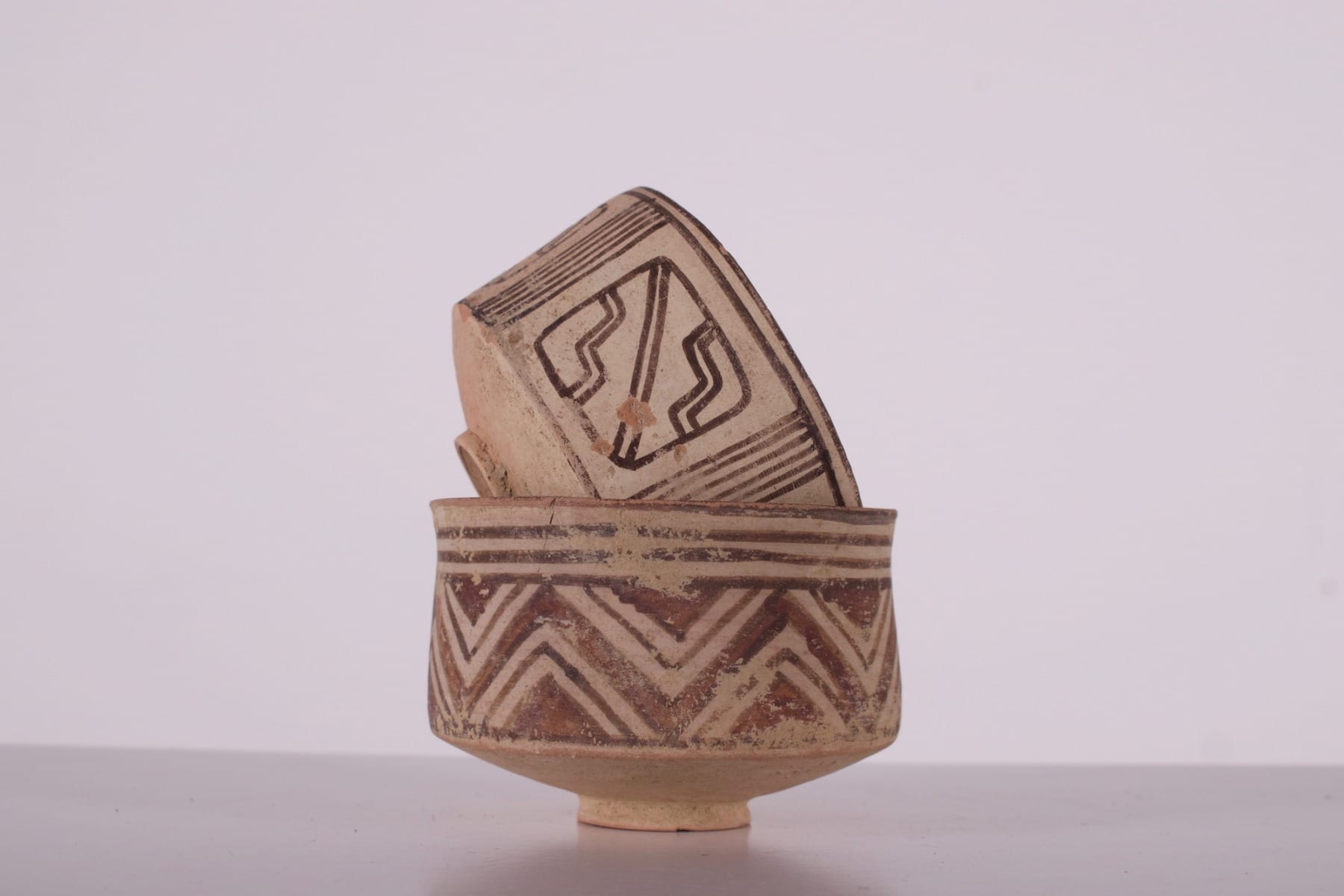
- Pair of terracotta bowls with geometric decoration, Indus Valley, Mehrgarh site, Pre-Harappan period (Proto-Indus), c. 3000 BC.
- Large model: H 7 cm × neck diameter 10.5 cm
- Small model: H 6.4 cm × neck diameter 10 cm
- Total weight: 308 g
- Provenance: estate of Claude de Marteau
- Sold with certificate of origin
1 available in store

Mehrgarh bowls: ancient Indus Valley pottery
These Mehrgarh bowls are a remarkable testament to early Indus Valley ceramic production in the pre-Harappan period, around 3000 BC. From one of the oldest archaeological sites on the subcontinent, they illustrate the earliest forms of material and symbolic organization in these societies.
Made of terracotta, these bowls feature a geometric decoration characteristic of Proto-Indus production. The motifs, applied with great formal simplicity, reflect an already assured mastery of firing and decorative techniques.
The site of Mehrgarh, located in present-day Pakistan, is considered a major milestone in understanding the origins of the Indus civilization. The Mehrgarh bowls belong to this early phase, marked by a gradual transition toward more elaborate forms.
The provenance of these objects, from the collection of Claude de Marteau, comes with an early collecting context, documented by the archival photographs shown below.
Provenance and archives of Claude de Marteau
Claude de Marteau’s travels in Iran and Afghanistan in the 1950s are documented by archival photographs. These images illustrate the context in which his collection was formed, at a time when these regions were still largely accessible to collectors.
These documents do not directly attest to the acquisition of these Mehrgarh bowls, but they provide valuable insight into the collecting conditions and the circulation of these objects.
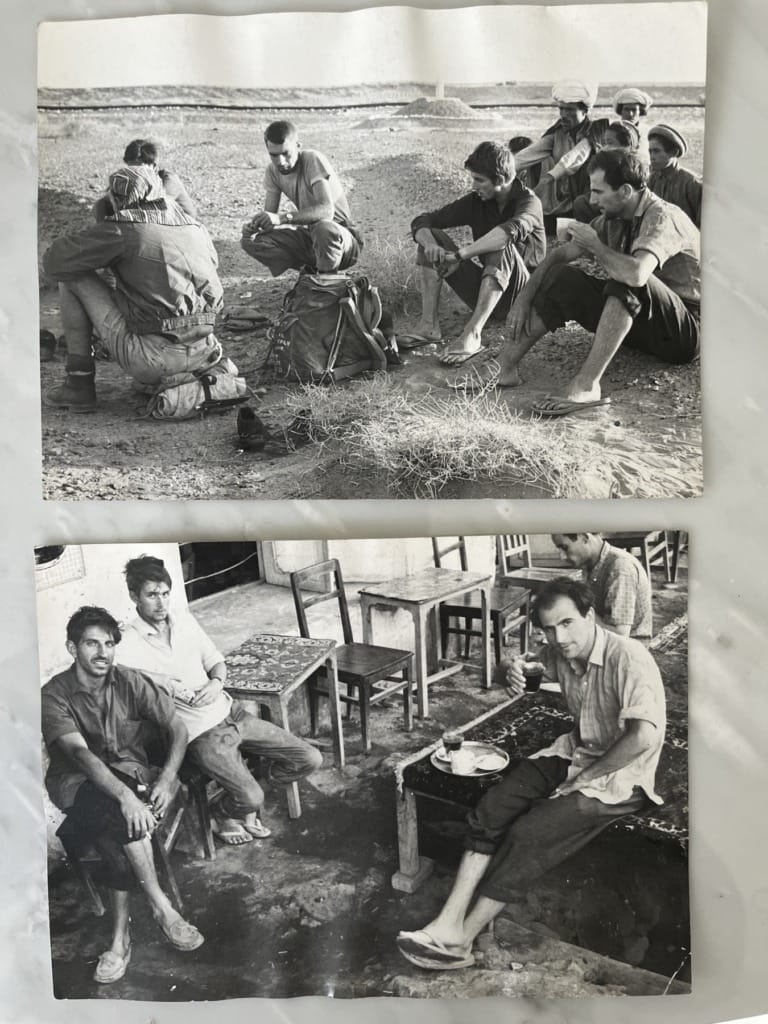
Claude de Marteau’s trip, Iran and Afghanistan, 1950s

Claude de Marteau in Iran, 1950s archives
Discover also...


Delivery to Belgium

Delivery to France

Delivery to Luxembourg
