



Verner Panton Furniture – chairs and lighting – Danish design
A major Danish designer of the 1960s and 1970s, Verner Panton developed an experimental universe blending organic forms, vivid colours and new industrial materials In the late 1950s, Verner Panton developed what would become the celebrated Panton Chair, one of the first moulded plastic chairs made in a single piece

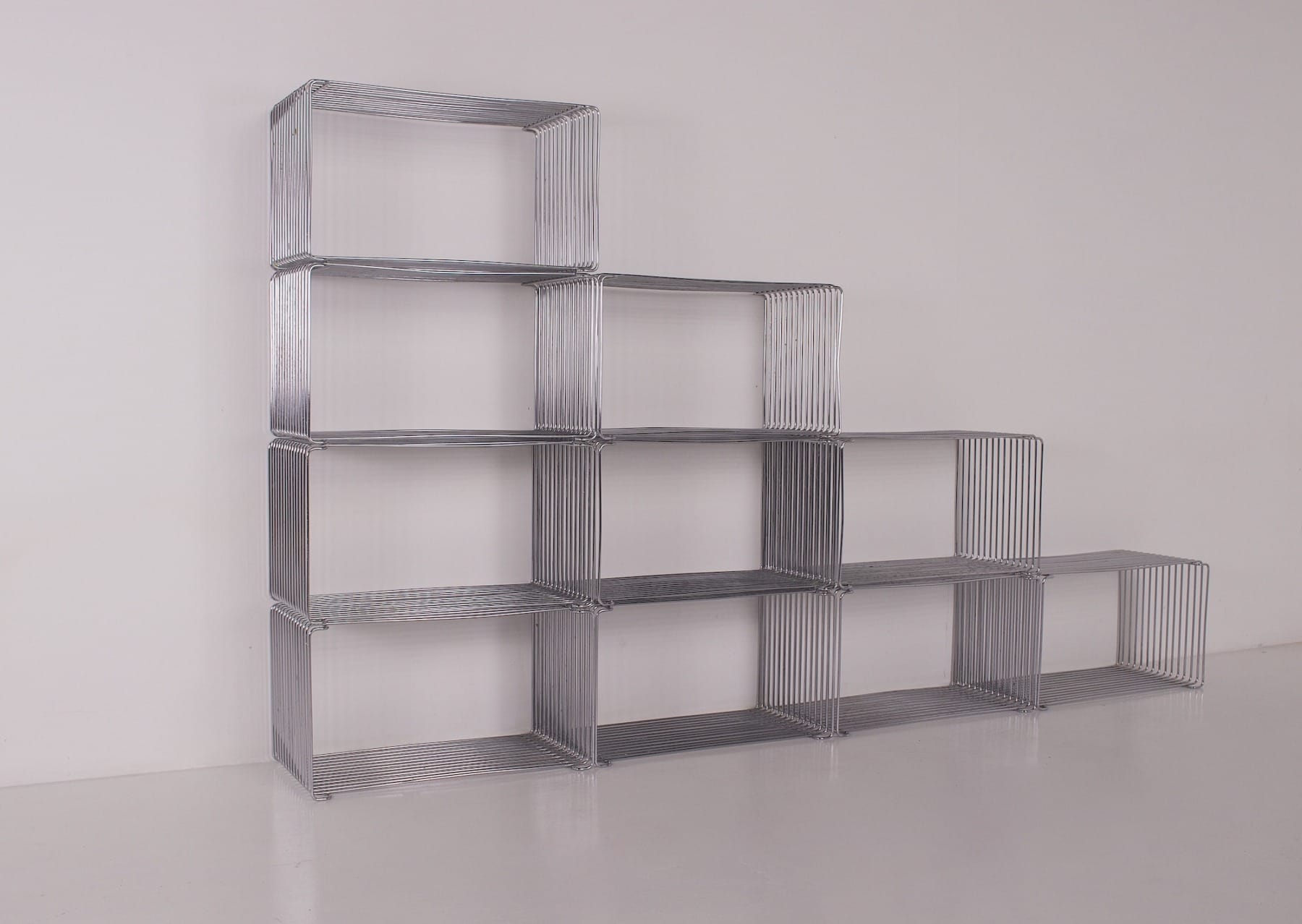
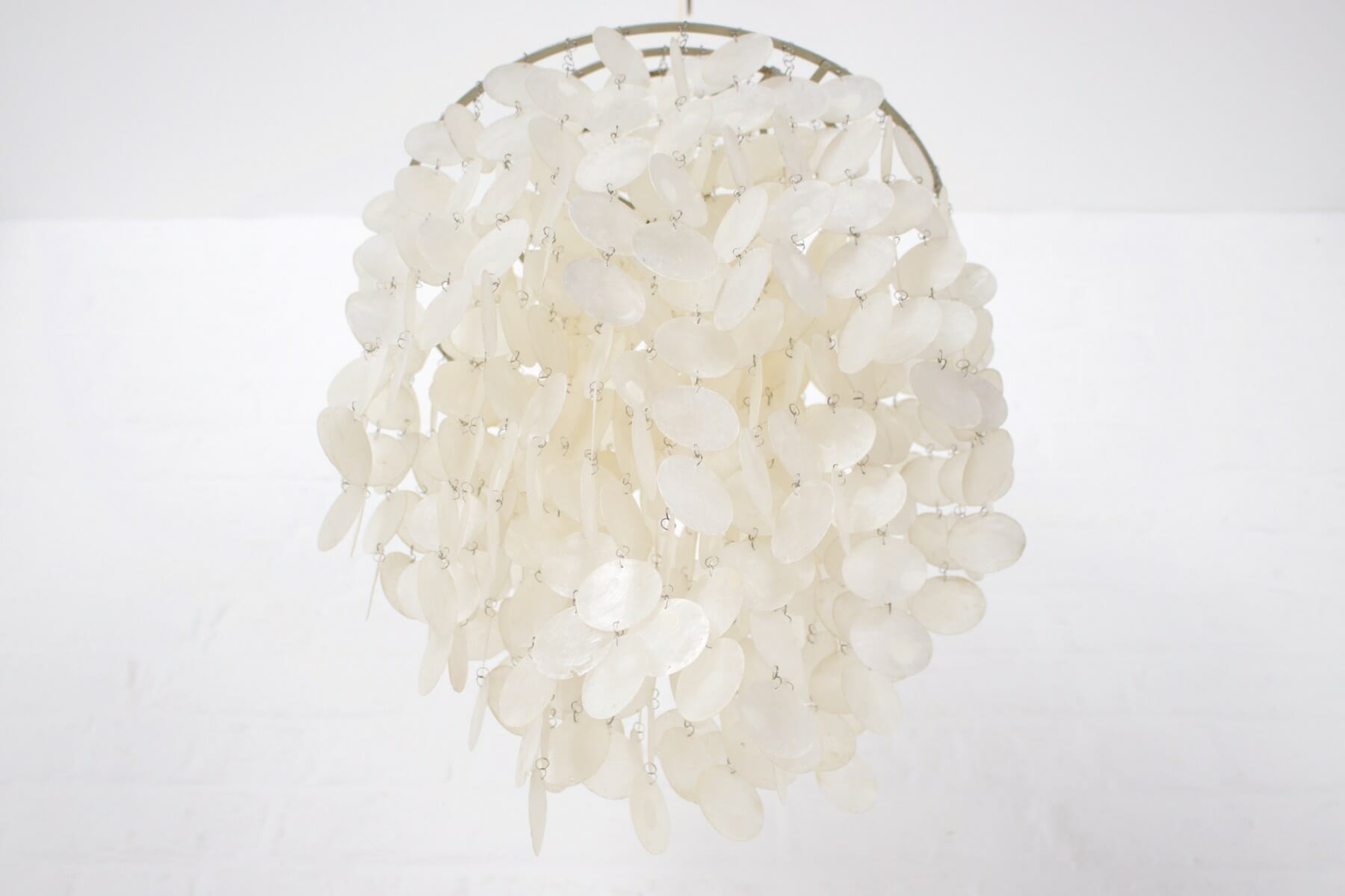
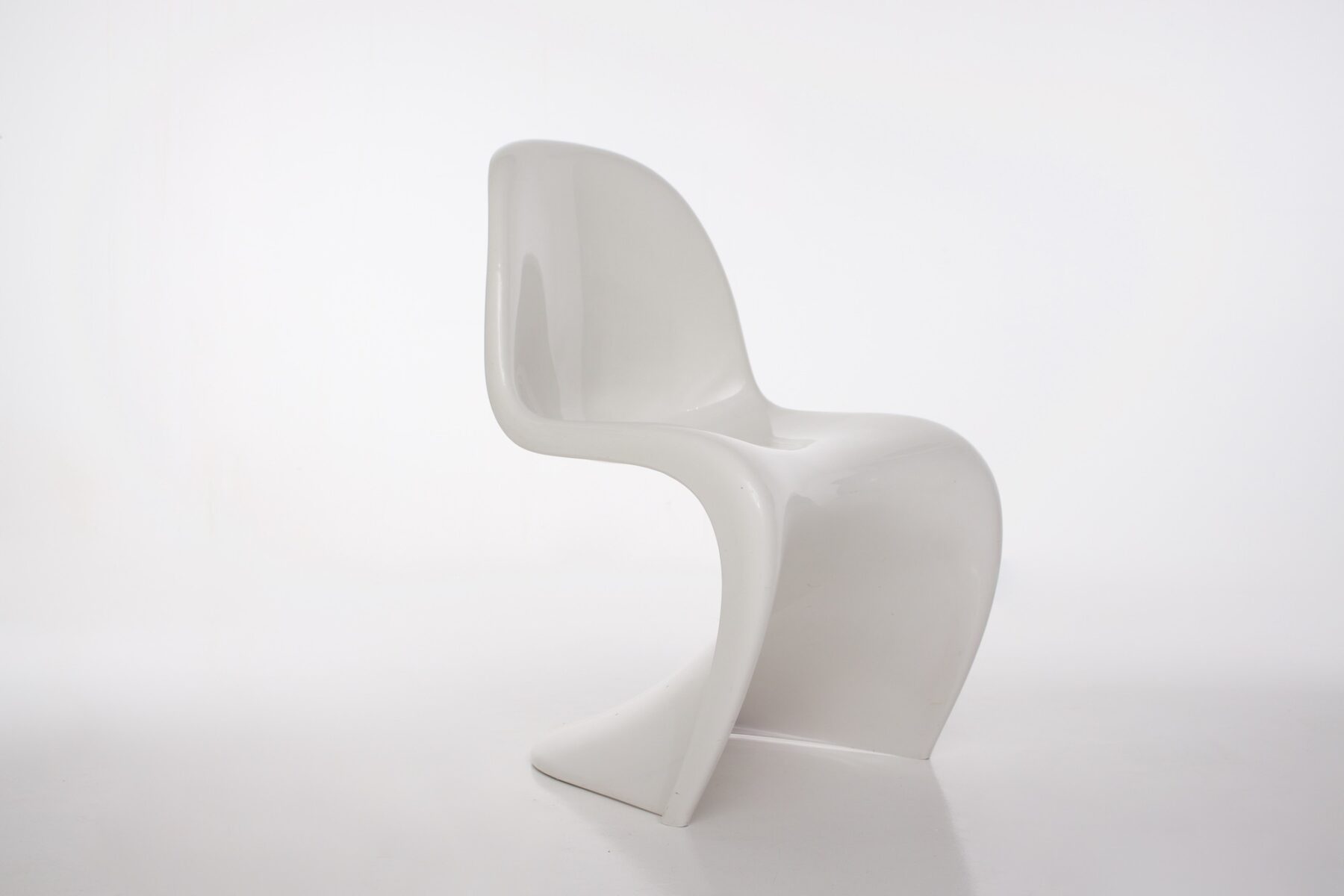

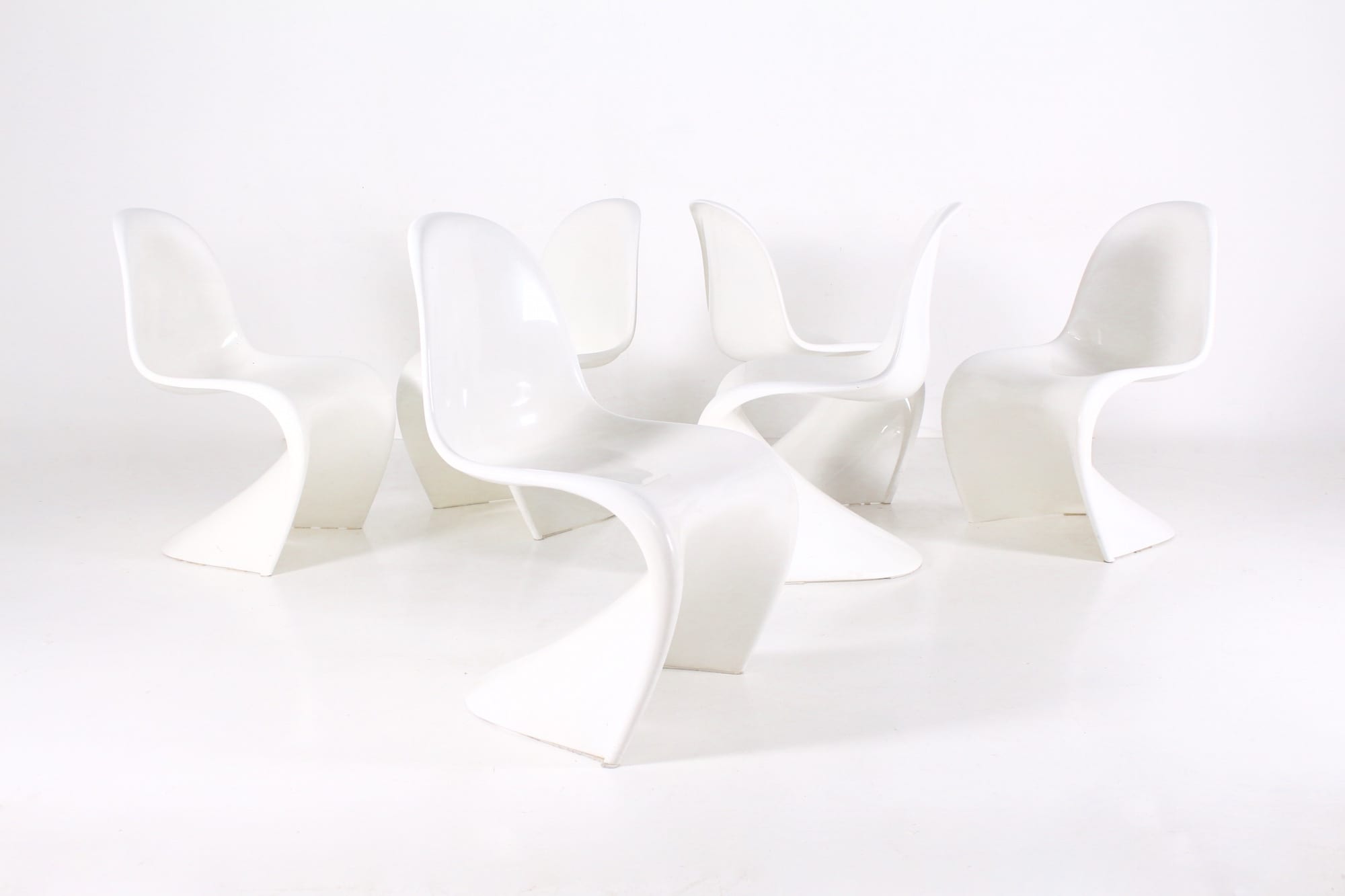

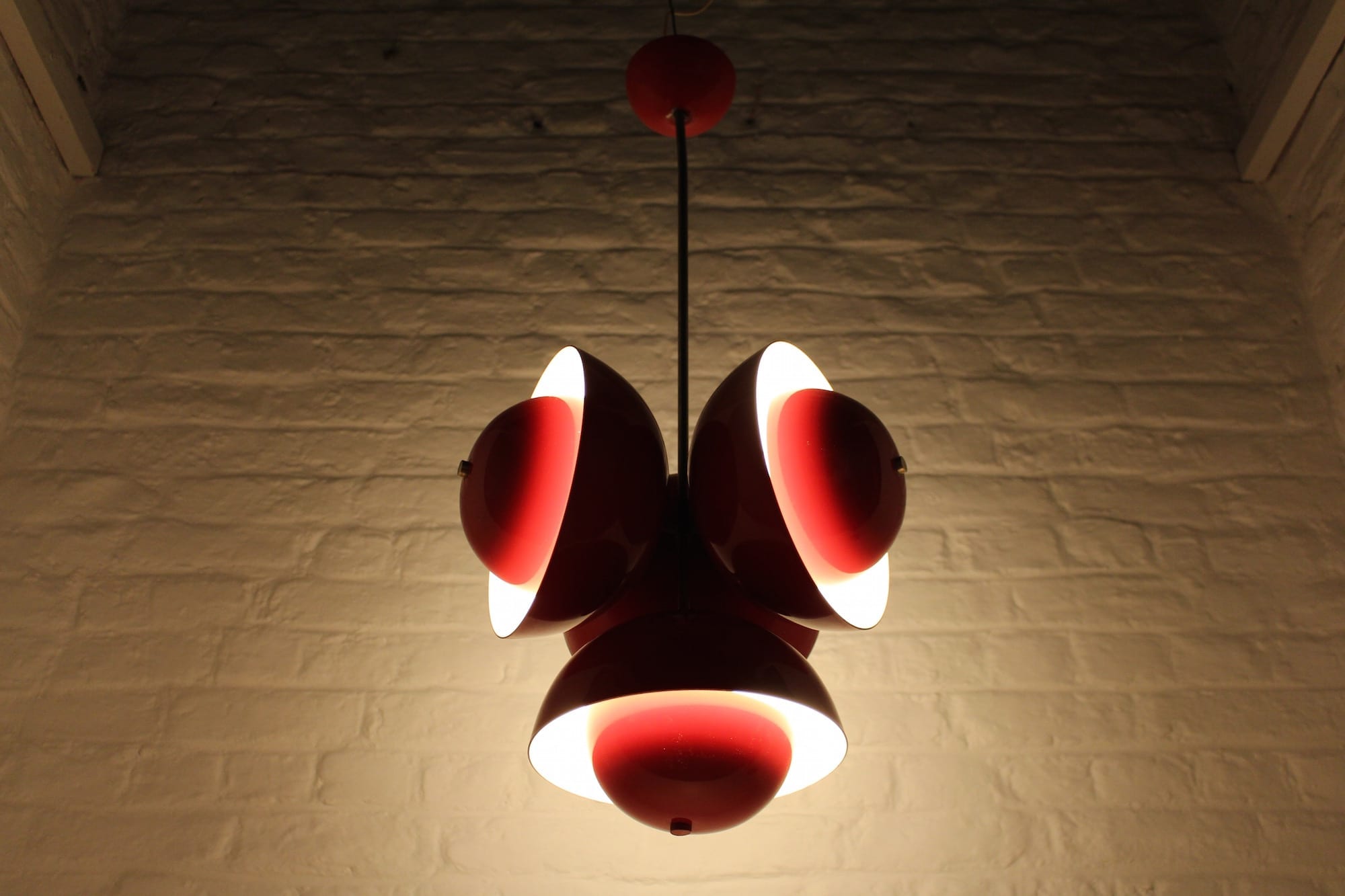

Verner Panton furniture and Danish design from the 1960s
A major Danish designer of the 1960s and 1970s, Verner Panton developed an experimental universe blending organic forms, vivid colours and new industrial materials. His work participated in the renewal of post-war Scandinavian design and moved away from traditional functionalism through a freer, more sculptural and futuristic approach to furniture.
During the early years of his career, Verner Panton collaborated with Arne Jacobsen, a major figure in Danish design, notably on the famous Ant chair. This modernist influence is reflected in his interest in innovative structures and industrial production, which he quickly pushed towards a more radical and experimental vision of design.
In the late 1950s, Verner Panton developed what would become the famous Panton Chair, one of the first molded plastic chairs made in a single piece. The first models were produced from fiberglass-reinforced polyester, allowing for a lightweight, stackable, and easily movable structure. This innovative approach to materials and forms helped establish Verner Panton as a major figure in 1960s design.
Sculptural “S” or “Zig-zag” chairs and space-age lighting with fluid lines are now among the most emblematic creations of Verner Panton’s furniture. His designs, notably produced by Vitra or Verpan, are considered essential references in vintage Danish design and European Space Age furniture.
“`