



Tjerk Reijenga and Pilastro
Even today, the brand’s productions remain among the major references of Dutch design from the 1950s and 1960s. Starting in the 1950s, he developed a series of modular systems for Pilastro that have become iconic examples of 20th-century furniture.


Tjerk Reijenga and Pilastro
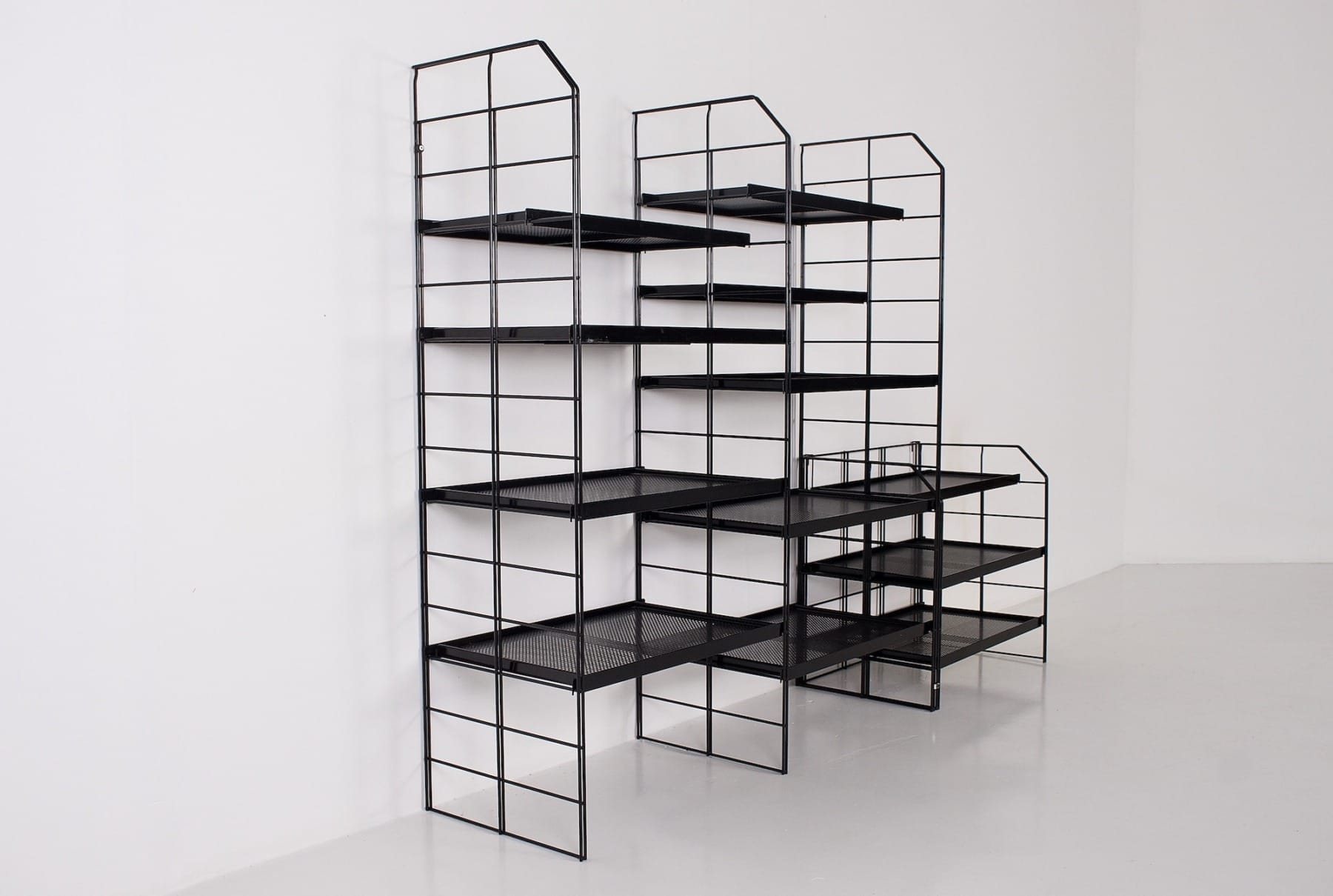
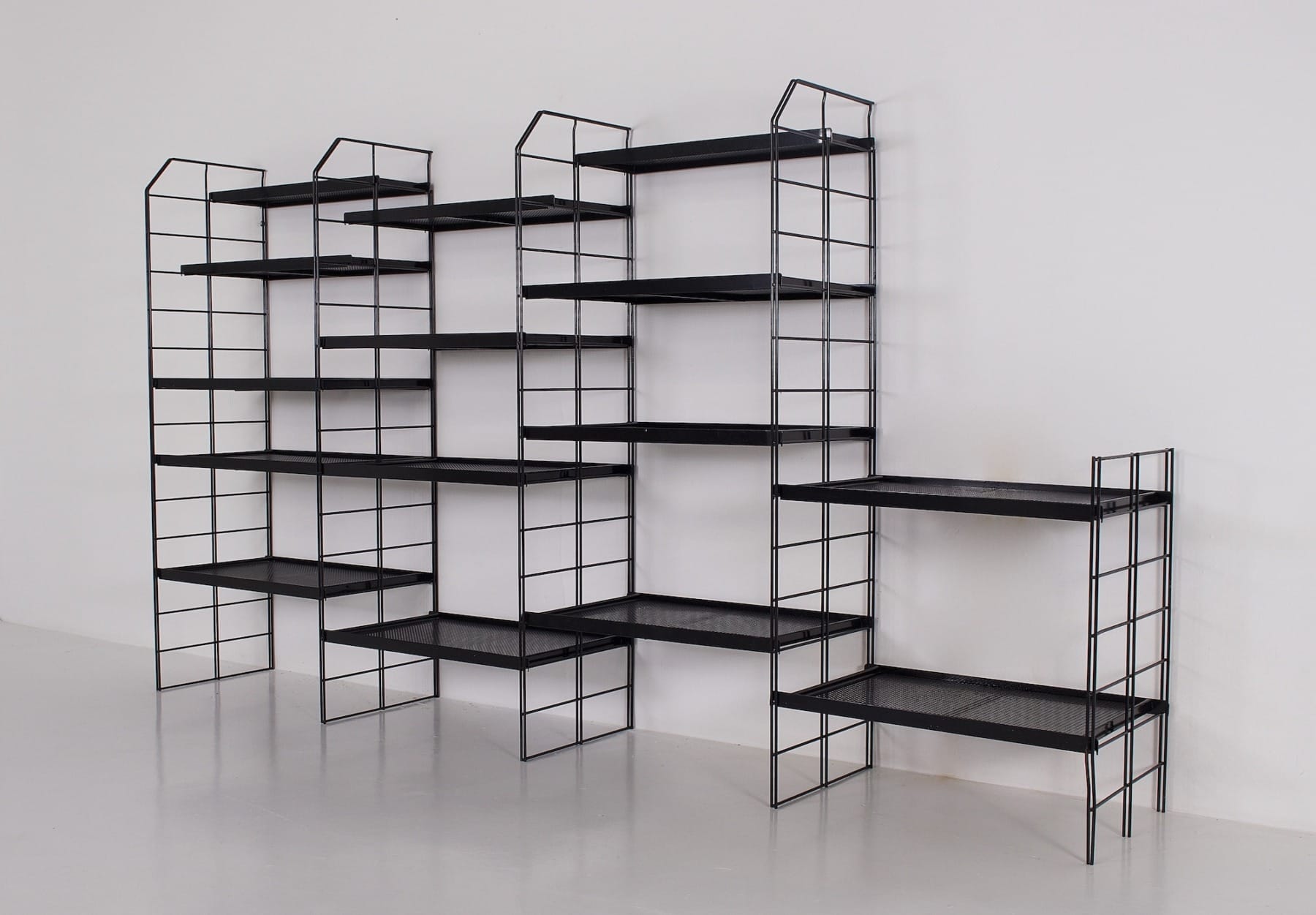
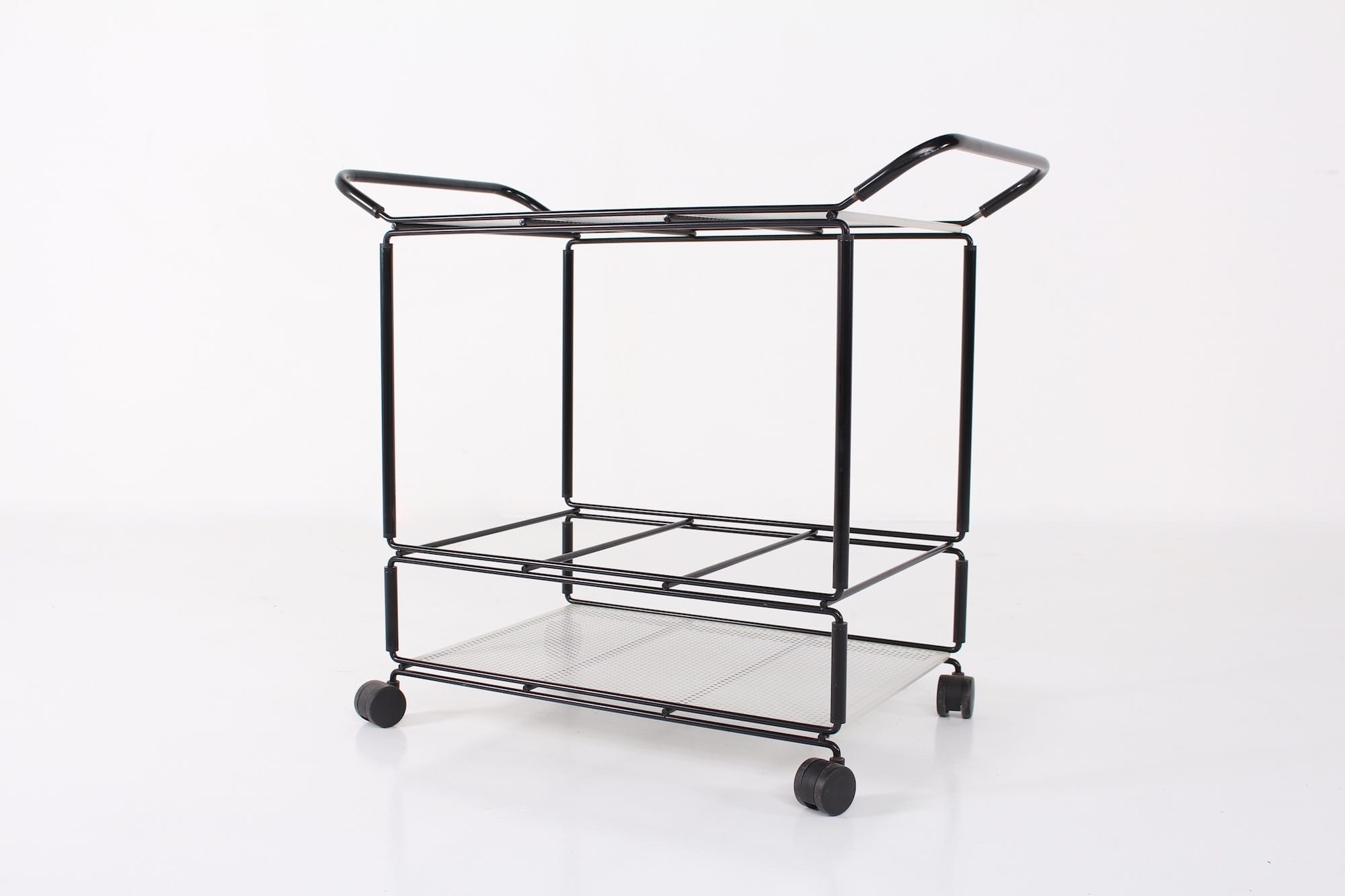
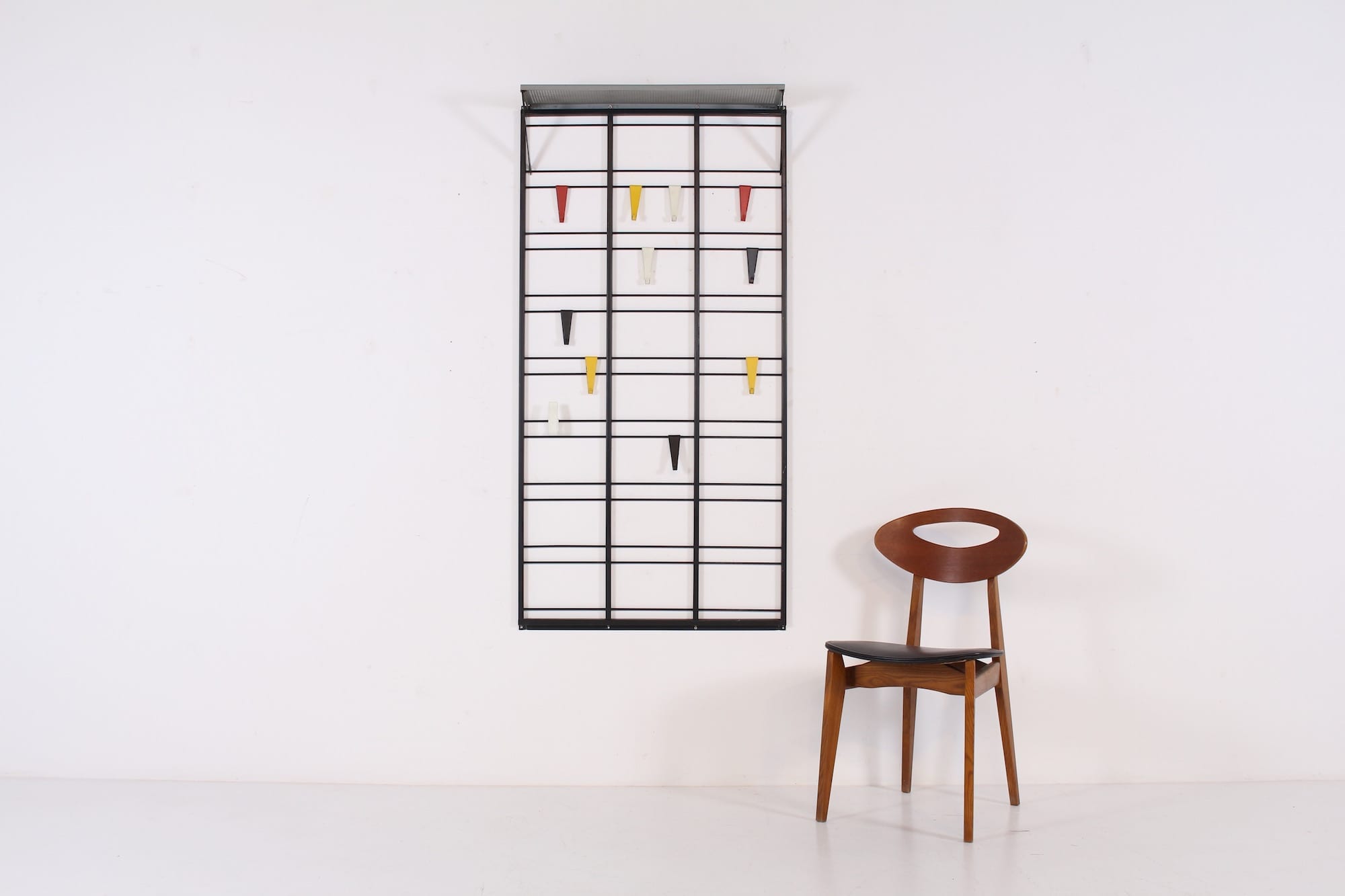
Tjerk Reijenga (1928-2009) is among the leading representatives of post-war modernist design in the Netherlands. Starting in the 1950s, he developed a series of modular systems for Pilastro that have become iconic examples of 20th-century furniture. His creations combine functionality, visual lightness, and compositional freedom, responding to a new way of living where furniture must be able to evolve with the user’s needs.

The systems designed by Tjerk Reijenga for Pilastro appear either as a wall-mounted bookcase composed of several wall shelves, or as an independent wall shelf or a freestanding model that can serve as a room divider. This modularity allows for the free composition of a storage unit adapted to any interior while maintaining a light and architectural aesthetic.
This page from the Pilastro catalog illustrates several modular wall shelf compositions, demonstrating the wide variety of configurations and the scalability of the storage systems designed by the brand. Vintage Pilastro advertising catalog featuring the modular furniture, accessories, and modular wall shelving systems that contributed to the Dutch brand’s success in the 1950s and 1960s.

Founded in the Netherlands in the post-war era, Pilastro specialized in the manufacture of modern metal furniture. The company distinguished itself through the use of black lacquered steel combined with elements in contrasting colors, a visual signature that became characteristic of many Pilastro productions. Even today, the brand’s productions remain among the major references of Dutch design from the 1950s and the 60s.
Pilastro holds a comparable position in the Netherlands to that of architects Kasja and Nisse Strinning for String in Sweden or Poul Cadovius’s Royal System in Denmark. Like these systems, which have become classics of Scandinavian furniture, Tjerk Reijenga’s creations prioritize modularity, flexibility, and the harmonious integration of storage furniture into interior architecture.