



Design lamps and 50s vintage furniture
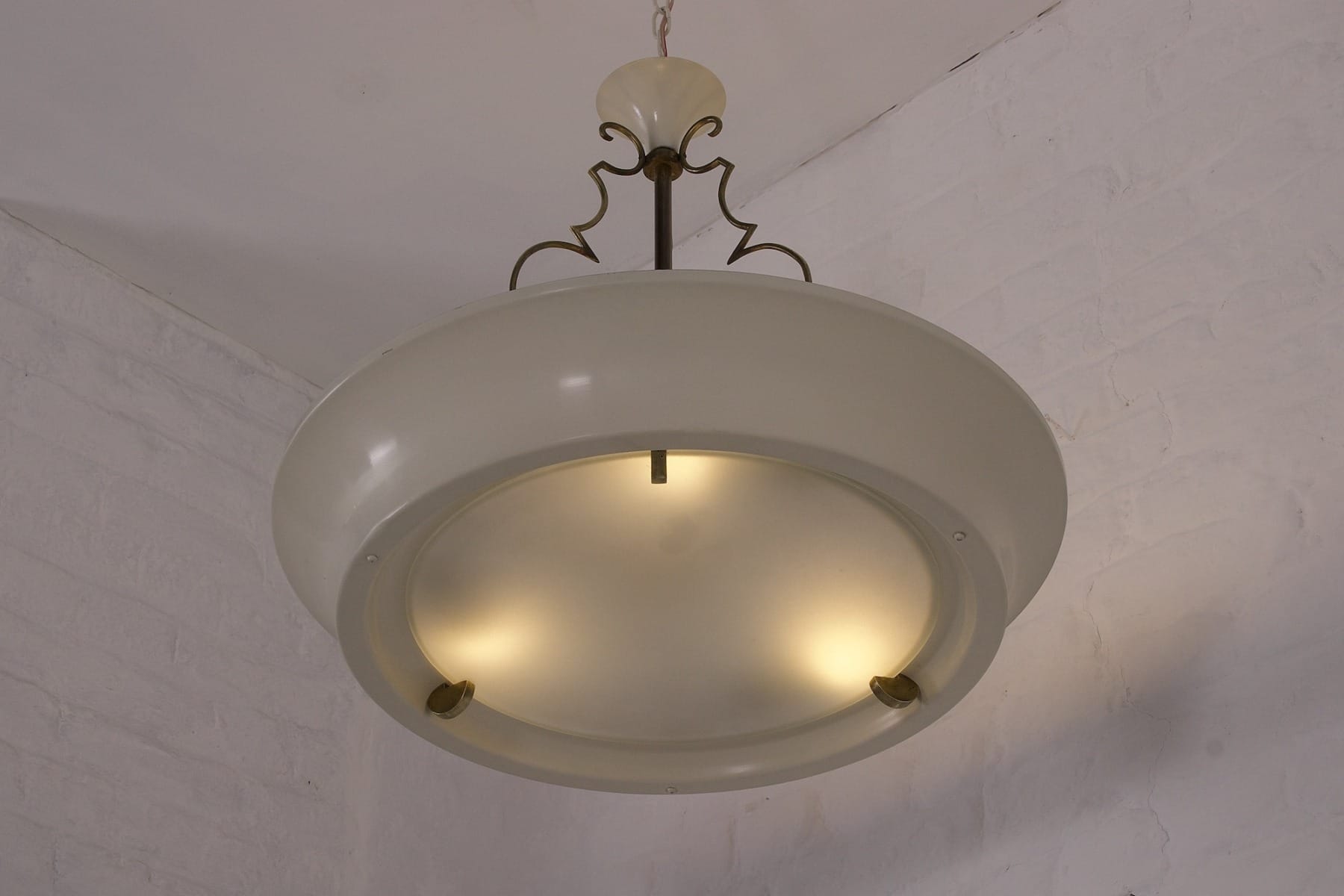
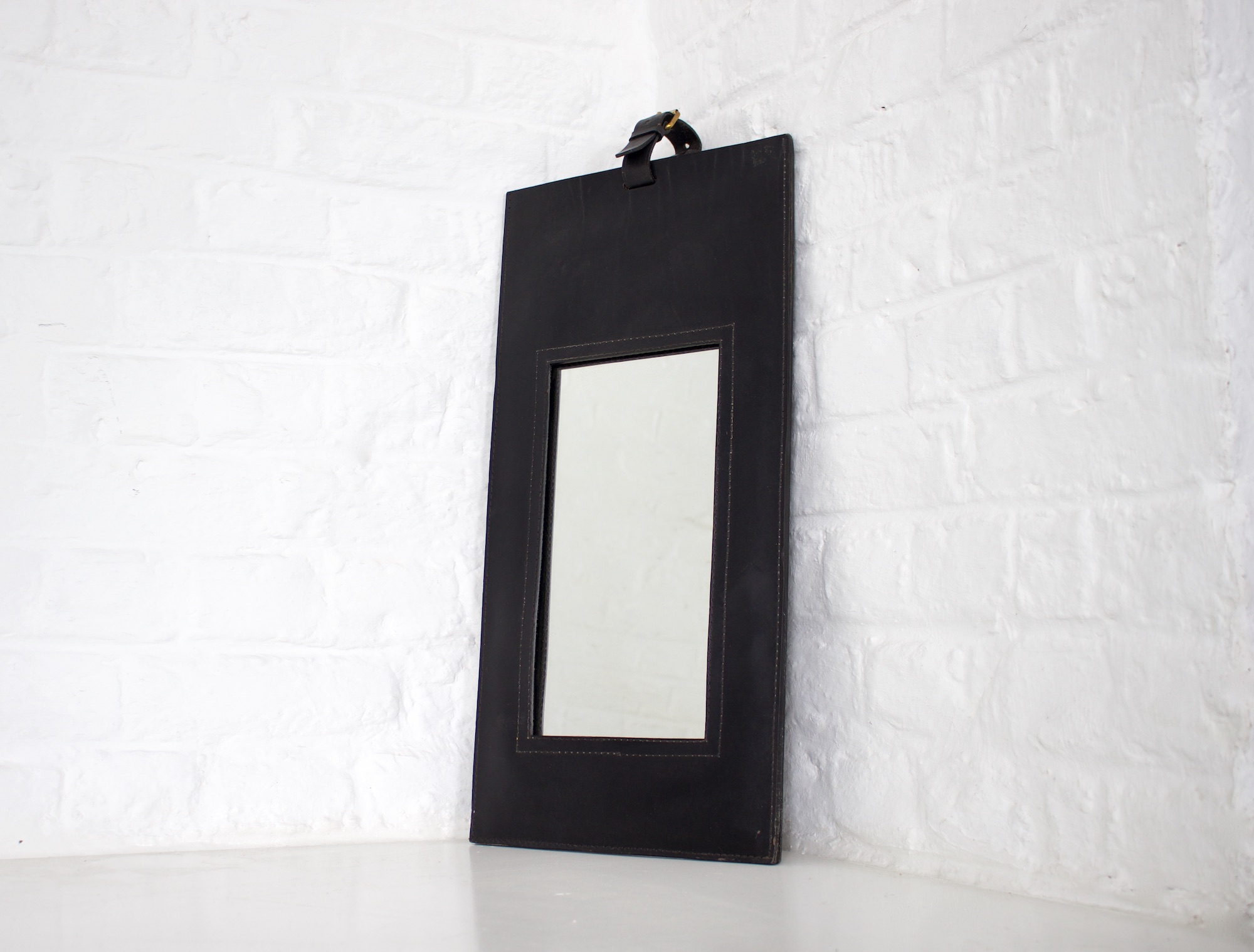
Explore our selection of vintage 1950s furniture and lighting, a decade marked by the rise of modernist and Scandinavian design. Sideboards, credenzas, desks, armchairs, chairs, and coffee tables stand alongside designer lamps, wall sconces, pendant lights, and vintage floor lamps. Wood — teak, oak, beech, or rosewood — combines with metal, glass, and aluminum in creations characteristic of 1950s design.


The 1950s: Reconstruction and a New Art of Living
In the aftermath of the Second World War, Europe rebuilt itself. Homes modernized, household appliances gradually became widespread, and an improved standard of living transformed habits. Furniture had to meet new needs: to be functional, less cumbersome, and adapted to a booming industrial production.
In France, Le Corbusier, Charlotte Perriand, and Pierre Jeanneret embodied a modernism that combined architecture, furniture, and new ways of life. Their research, initiated between the two world wars, continued to influence post-war designers. Jean Prouvé, René Gabriel, and Marcel Gascoin simultaneously developed rational furniture, meeting the needs of the Reconstruction.
A new generation also renewed forms. Pierre Guariche, Joseph-André Motte, René-Jean Caillette, and Pierre Paulin, whose first creations date from the 1950s, sought to reconcile design quality, comfort, and mass production. Caillette’s creations, particularly within Groupe 4, demonstrate a dialogue between traditional cabinetmaking and industrial modernity.
Vintage chairs adopted lighter structures, combining wood, metal, and new manufacturing techniques. Vintage armchairs from the 1950s retained a taste for comfort and fine cabinetmaking, but their lines became more refined. Compass legs, exposed joinery, and airy silhouettes characterized many creations of the era. Desks also adopted more functional lines, combining wooden tops, metal bases, and integrated storage.
1950s Scandinavian and Belgian Furniture: Elegance and Functionality
In Denmark, the Danish Modern movement achieved international renown. Finn Juhl favored organic curves, Hans J. Wegner renewed chair design, while Arne Jacobsen and Børge Mogensen developed an approach attentive to use, proportions, and manufacturing quality. Arne Vodder also contributed to this success with his creations featuring sober lines and carefully crafted veneers.
Scandinavian enfilades and sideboards combine generous storage with discreet lines. Teak, oak, and rosewood reveal the richness of their grain, while sliding doors facilitate their use in smaller spaces. Vintage coffee tables, often mounted on tapered legs, complement these interiors where simplicity never excludes attention to detail. In the Netherlands, Louis Van Teeffelen developed furniture with flexible forms and sculpted details for WéBé.
In Belgium, modernism took on varied expressions. Alfred Hendrickx developed furniture for Belform with taut lines and carefully selected veneers. Willy Van Der Meeren designed tubular steel furniture with exposed structures for Tubax, conceived for rational and accessible production.
At the end of the decade, Oswald Vermaercke and V-Form asserted an elegance close to Scandinavian design, notably with the Paola collection from 1959. Jules Wabbes developed a more architectural approach, based on rigorous proportions, precious woods, and precise joinery.
1950s Lighting: A New Architecture of Light
Lighting also underwent a profound transformation. Luminaires were no longer solely intended to illuminate a room: their form, orientation, and placement within the interior became essential elements of the decorative project.
In France, Pierre Guariche and Disderot explored adjustable reflectors and indirect lighting. In Italy, Gio Ponti, Gino Sarfatti, and Achille Castiglioni participated in the renewal of design. Sarfatti developed luminaires for Arteluce where technical research accompanied the design, while Stilnovo contributed to the emergence of new geometric forms and colorful compositions.
Diabolo-shaped shades, with their two opposing cones joined by a constricted waist, became one of the recognizable silhouettes of this period. Their geometry allowed light to be directed upwards and downwards, while giving the luminaire great visual lightness.
Wall sconces punctuated walls and directed lighting as needed. Table lamps adopted aluminum or lacquered sheet metal reflectors, sometimes combined with brass and glass. Vintage floor lamps accompanied reading next to an armchair, while vintage chandeliers and pendants became true decorative compositions.
Between the artisanal heritage of the pre-war era and the experiments of 1960s design, this decade laid the foundations for a new way of living. Furniture with lighter lines, luminaires designed for different uses, and constant attention to materials: a legacy whose creations continue to captivate today with their intelligence and simplicity.