



Brutalist furniture
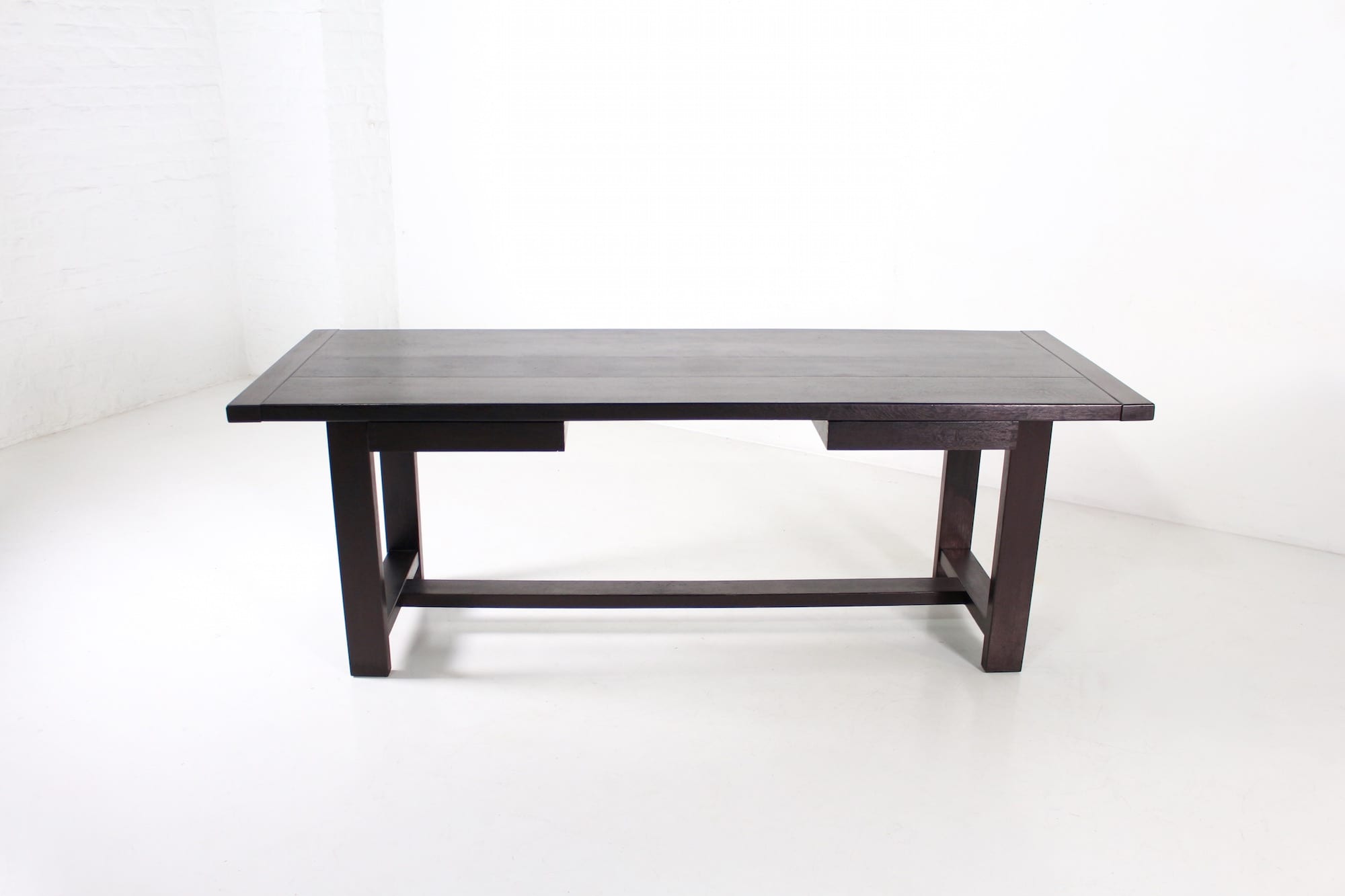
Today, the term Brutalist furniture most often refers to the large sideboards, long sideboards, or solid-wood tables and chairs that marked design in the 1960s and 1970s






Brutalist furniture: the dark materiality of 1970s design
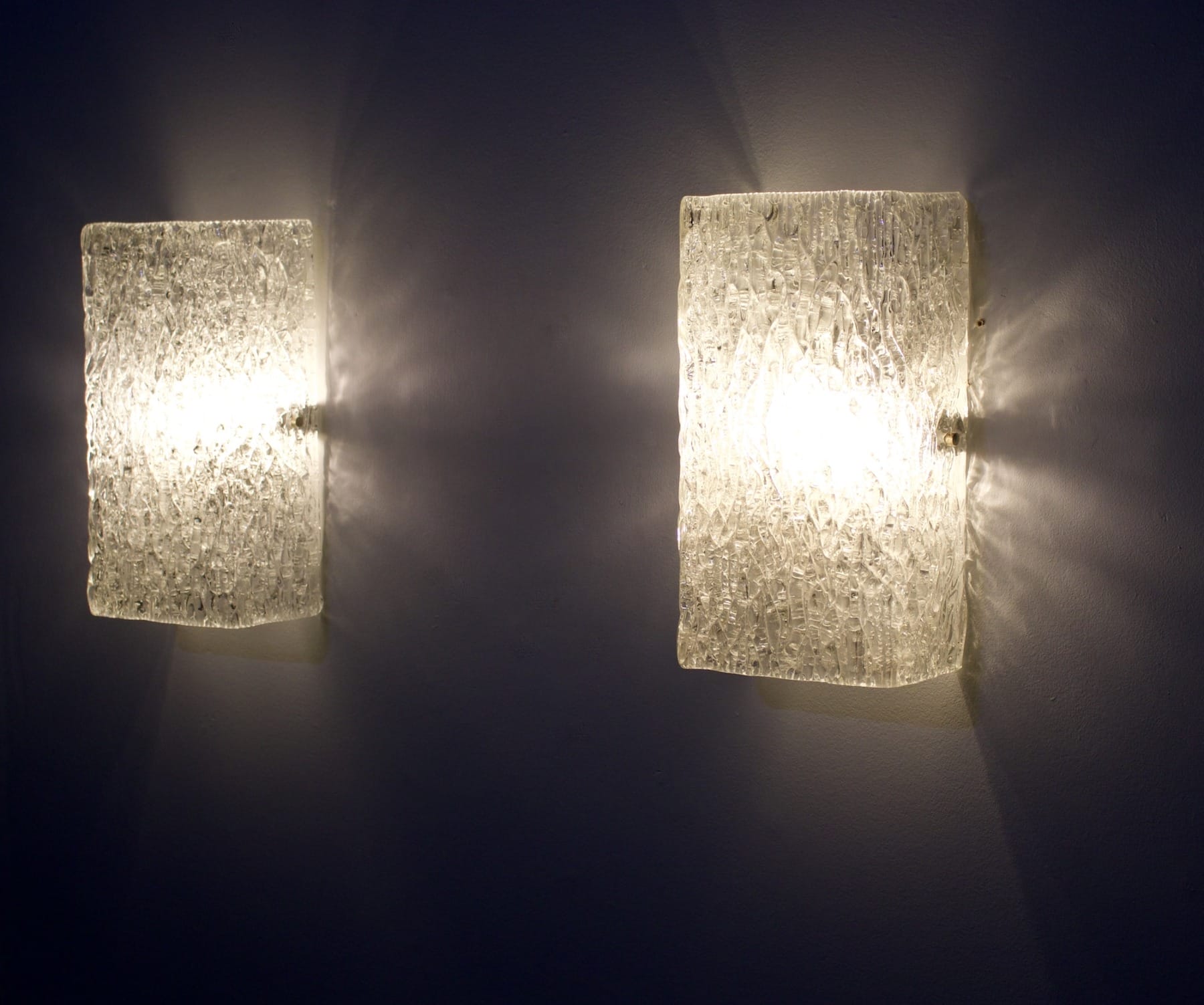
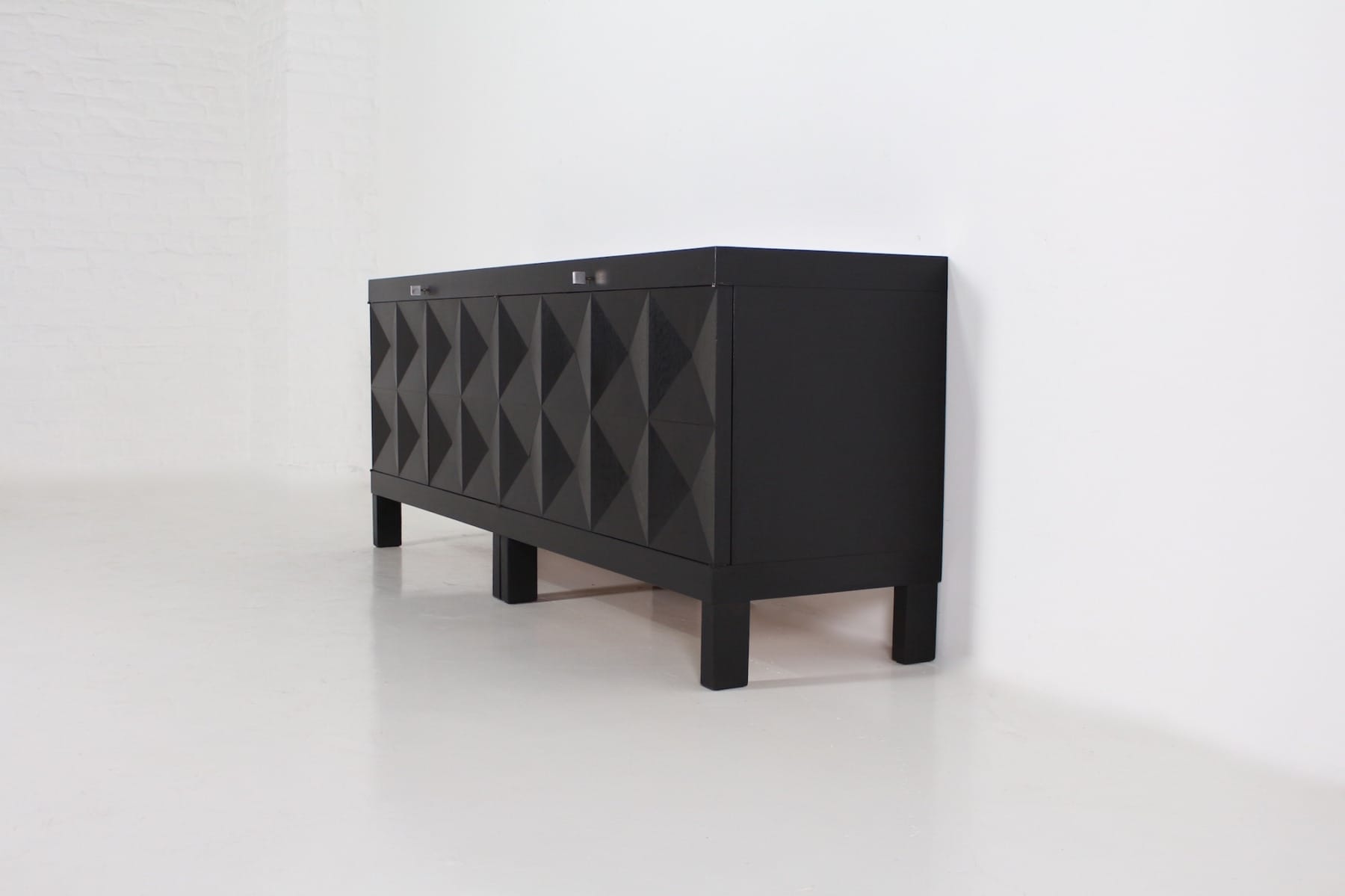
Today, the term Brutalist furniture most often refers to the large sideboards, long sideboards, or solid-wood tables and chairs that marked design in the 1960s and 1970s. By extension, this aesthetic is also expressed through certain Brutalist lighting and wall lights, more often in blackened steel, torch-cut brass… Highly valued by architects and interior decorators, these vintage storage pieces stand out for their powerful volumes and sculpted fronts with geometric compositions. On the 20th-century design market, this label now very often evokes solid-oak productions with dark or black finishes, which have become emblematic of this aesthetic.
The wood is frequently brushed (sandblasted oak), deeply carved, or worked in relief to reveal its full texture. The facades play with light through geometric, diamond-point, or circular patterns, while black or ebonized tones reinforce contrasts and give these pieces an almost mysterious presence. While this finish is currently the most sought after, brutalism is not limited to black woods: some pieces retain their natural hue or are made in other species, while expressing the same strength of volume and taste for the material.
Whether it is a sideboard, a credenza, a bar cabinet, or a table, Brutalism always privileges structure—its rhythm, proportions, and the working of the material—over applied decoration. This approach gives each creation a strong identity that continues to appeal to design-furniture enthusiasts.
From architectural origins to Belgian makers
This style has its origins in the Brutalist architectural movement, which emerged during the 1950s as an extension of the Modern movement. The initial inspiration for this current notably comes from the research of Ludwig Mies van der Rohe as well as the architectural work of Le Corbusier, before being developed by architects such as Marcel Breuer, to name but one. The sincerity of materials, the legibility of structure, and the reduction of ornament to its most basic form then become the foundations of a new aesthetic that quickly influences the world of interior architecture.
While the first creations appeared as early as the 50s, it was mainly during the 60s and 70s that brutalist furniture reached its peak. Belgium then became a major center for this production, with manufacturers such as De Coene Frères, the designer and painter Jean Batenburg, as well as the brothers Frans and Herman Defour, creators of the Torino collection. Their creations, made mainly of solid oak, have today become one of the signatures of the brutalist style.
For a long time, many black brutalist pieces were attributed to De Coene Frères. Research conducted from the archives of Defour, a Belgian company founded by brothers Frans and Herman Defour, has however allowed part of this production to be reattributed to this manufacturer. This confusion is likely explained by the fact that Defour subcontracted for De Coene during the 60s.
At Vintage Addict, each brutalist piece is selected for its authenticity. When its condition requires it, it is carefully restored in our restoration workshop, respecting the materials, finishes, and the spirit of its creator. This approach preserves the character of these emblematic pieces of Belgian design from the Post-War boom years.